
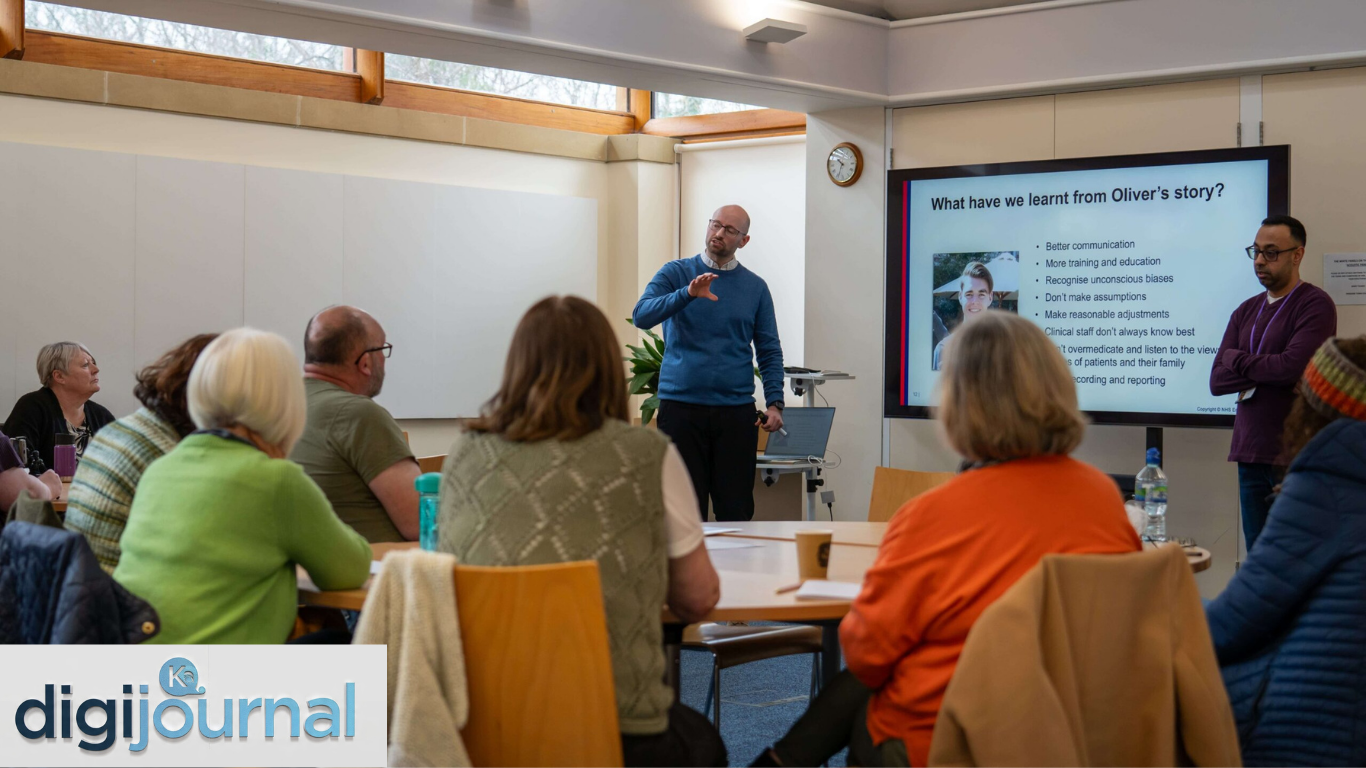
oliver mcgowan training is one of the most important steps the United Kingdom has taken to protect the rights of autistic people and individuals with a learning disability when they access health and social care services. Named after a young man who tragically lost his life due to poor medical care, this training is more than a professional requirement — it’s a promise. A promise that no family should ever have to go through what Oliver’s family endured. If you work in health or social care, or you’re simply curious about how Britain is reshaping its care standards, you’ve landed in exactly the right place.
The Story Behind the Name: Who Was Oliver McGowan?
Before diving into the specifics of the training itself, it’s worth taking a moment to understand the person at the heart of it all. Oliver McGowan was a young man from Bristol who had autism and a mild learning disability. He was a bright, lively individual who loved football, music, and spending time with his family.
In 2016, at just 18 years old, Oliver was admitted to hospital and given antipsychotic medication despite repeated objections from his parents, who knew their son’s history and vulnerabilities. Tragically, Oliver suffered a fatal reaction to the medication and passed away. His death sparked a national conversation about how health and care professionals treat autistic people and those with learning disabilities.
His mother, Paula McGowan OBE, has since dedicated herself to campaigning for better training across the health and social care sector. Her tireless work — alongside that of Oliver’s family — led directly to the creation of the mandatory training programme that now bears his name.
“It’s not just training — it’s about changing the culture of care.” — Paula McGowan OBE
What Is Oliver McGowan Mandatory Training?
So, what exactly is oliver mcgowan training? Simply put, it is a standardised, mandatory training programme designed to give health and social care staff the skills, knowledge, and confidence they need to provide appropriate, compassionate, and safe care to autistic people and people with a learning disability.
The training was developed collaboratively — and that’s a really important point — by people with lived experience of autism and learning disabilities, their families and carers, and health and care professionals. It isn’t something created in a boardroom far removed from reality; it’s shaped by those who know what good (and bad) care actually feels like.
The training is split into two tiers:
- Tier 1 — Awareness level, suitable for all staff who have some contact with autistic people or people with a learning disability
- Tier 2 — Enhanced learning, designed for staff who have regular, direct contact with these individuals
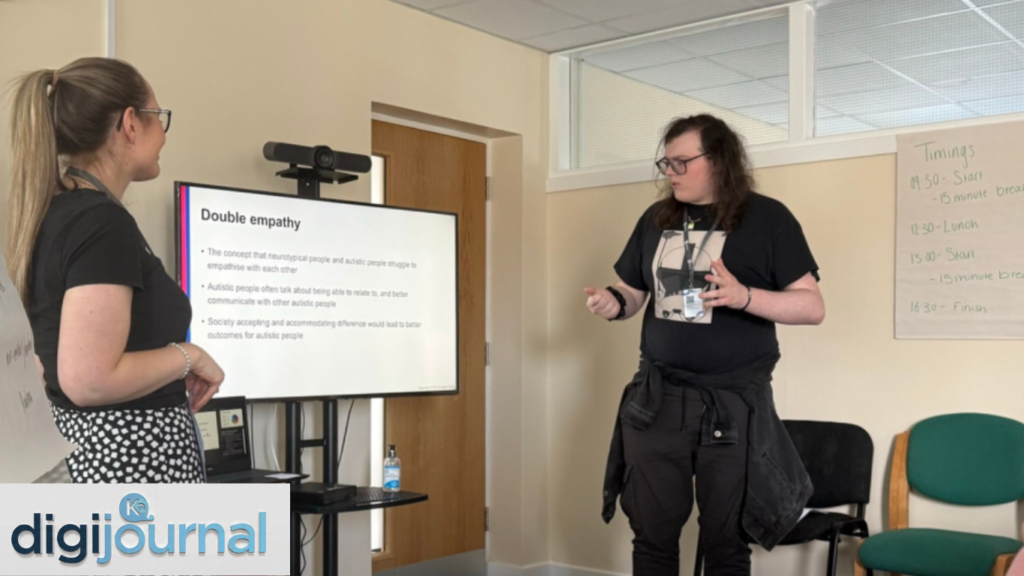
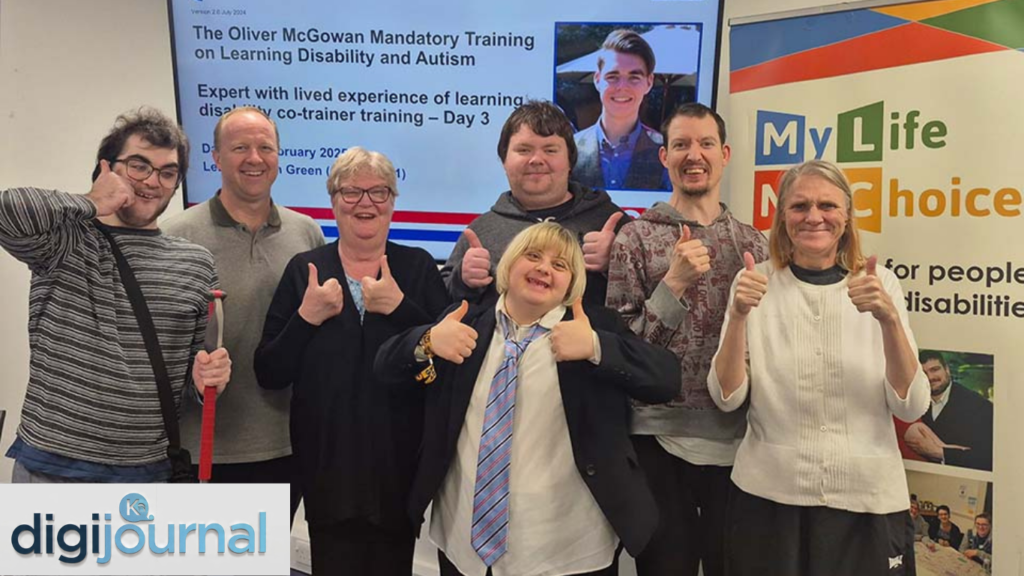
Both tiers include a blend of online learning and face-to-face interaction, with the face-to-face element co-delivered by trainers with lived experience. That inclusion of lived experience isn’t a box-ticking exercise; it’s genuinely transformative.
Why Was Oliver McGowan Training Made Mandatory?
Well, here’s the thing — training on its own doesn’t always create change. Lots of organisations have offered optional learning about autism and learning disabilities for years, yet the outcomes for this group of people in health settings have remained deeply troubling.
The Health and Care Act 2022 made it a legal requirement for all registered health and social care providers in England to ensure their staff complete oliver mcgowan training (or equivalent). This was a landmark legislative moment. It said, clearly and loudly, that awareness of the needs of autistic people and people with a learning disability is not optional — it is a fundamental part of being a competent health or care professional.
Here are some sobering statistics that underscore why this legislation was so urgently needed:
- Autistic people and people with a learning disability are more likely to be admitted to hospital unnecessarily
- They are more likely to receive inappropriate medication, including antipsychotics
- People with a learning disability die, on average, 20 to 26 years earlier than the general population
- Many of these early deaths are considered avoidable
These aren’t just numbers on a page. They represent real people — sons, daughters, siblings, friends. The mandatory nature of the training signals that enough is enough.
What Does the Training Actually Cover?
You might be wondering — what do staff actually learn? The content of oliver mcgowan training is both broad and deeply practical. It’s not abstract theory; it’s knowledge that staff can apply on Monday morning when they’re back on the ward or in the care setting.
Tier 1 Content
Tier 1 is suitable for all staff and typically runs between 30 minutes and three hours depending on the delivery format. It covers:
- Understanding what autism and learning disability are (and aren’t)
- Recognising and challenging stereotypes and unconscious biases
- The importance of person-centred care
- Communication strategies for supporting autistic individuals and those with learning disabilities
- An introduction to reasonable adjustments and what they mean in practice
- Why the Mental Capacity Act matters in this context
Tier 2 Content
Tier 2 goes deeper and is intended for those who regularly work with autistic people or people with a learning disability. It includes:
- Detailed exploration of sensory processing and how environments affect individuals
- Advanced communication techniques, including augmentative and alternative communication (AAC)
- The legal framework, including the Mental Capacity Act, Deprivation of Liberty Safeguards (DoLS), and the Equality Act
- How to make meaningful reasonable adjustments to services and care plans
- Co-production and involving individuals and families in decision-making
- Case studies drawn from real experiences — including Oliver’s own story
The face-to-face element, co-delivered by experts with lived experience, is widely considered the most powerful part of the training. Hearing directly from someone who has experienced poor care — or from a family member who has fought for appropriate treatment — hits differently than any e-learning module ever could.
Who Needs to Complete Oliver McGowan Training?
This is a question many managers and HR leads are grappling with right now, and the answer is — quite a lot of people. The requirement covers all staff employed by or contracted to CQC-registered health and social care providers in England. That’s a vast workforce, including:
| Type of Staff | Tier Required |
| Receptionists and administrative staff | Tier 1 |
| Porters, catering, and domestic staff | Tier 1 |
| Allied health professionals | Tier 1 or Tier 2 (depending on role) |
| Nurses and midwives | Tier 1 or Tier 2 (depending on role) |
| Doctors and consultants | Tier 1 or Tier 2 (depending on role) |
| Social workers | Tier 1 or Tier 2 (depending on role) |
| Support workers with direct care roles | Tier 2 |
| Care home staff | Tier 1 or Tier 2 (depending on role) |
| Mental health professionals | Tier 2 |
| Pharmacists and pharmacy technicians | Tier 1 |
The principle is straightforward: if your role involves any contact with autistic people or people with a learning disability — even indirectly — you need Tier 1 as a bare minimum. If you provide direct, hands-on care, Tier 2 is required.
Organisations are responsible for conducting a training needs analysis to determine which tier applies to each member of staff. NHS England has provided guidance to support this process.
How Is the Training Being Rolled Out?
Rolling out a mandatory training programme to an entire national workforce is no small feat — we’re talking about millions of people across thousands of organisations. The rollout has been phased to reflect this complexity.
NHS England and NHS Improvement have taken the lead in coordinating the national rollout, with Integrated Care Boards (ICBs) playing a crucial role at the regional level. Approved training providers — many of whom have worked in co-production with autistic individuals and people with learning disabilities — are delivering the training across the country.
Key features of the rollout include:
- A national network of co-production leads and experts by experience
- A suite of online learning resources that organisations can access freely
- A national Oliver McGowan Mandatory Training framework to ensure consistency
- Train-the-trainer models so organisations can build internal capacity
- Regular review and updating of training materials to reflect best practice
One of the smartest aspects of the rollout is the genuine embedding of co-production. The people who’ve been most affected by poor care are actively involved in designing and delivering the solution. That’s not just ethically right — it’s also practically effective.
The Role of Lived Experience in Oliver McGowan Training
It would be hard to overstate just how central lived experience is to oliver mcgowan training. This isn’t a programme where experts lecture staff from a lectern; it’s a programme where the expertise of lived experience is placed front and centre.
Co-trainers with lived experience — that is, autistic people and people with a learning disability — are involved in delivering Tier 2 training sessions alongside health and care professionals. This model has several powerful benefits:
- Humanisation: Staff meet real people, not just case studies. It’s much harder to fall back on stereotypes when you’ve had a genuine conversation with someone who challenges them.
- Authenticity: Nobody can explain what it feels like to navigate a busy, noisy A&E when you’re hypersensitive to sound better than someone who has actually experienced it.
- Accountability: When a person with lived experience is in the room, the stakes feel real. Staff are more likely to engage meaningfully and less likely to coast through the content.
- Empowerment: For co-trainers, being part of something this important is genuinely empowering. It says: your experience matters, your voice matters, and your knowledge can save lives.
Paula McGowan herself has been deeply involved in championing this approach, and the results speak for themselves. Staff who complete Tier 2 training routinely report that the lived experience sessions are the most memorable and impactful part of the entire programme.
Challenges and How the Sector Is Overcoming Them
Let’s be honest — rolling out mandatory training of this scale isn’t without its challenges. The NHS and social care sector are both under enormous pressure, with staff stretched thin and time always at a premium. Here are some of the main hurdles organisations are navigating:
Time and Capacity Finding time for training in an already overstretched workforce is genuinely difficult. Many organisations are tackling this by incorporating oliver mcgowan training into existing induction programmes, mandatory training days, and e-learning platforms to allow flexible, self-paced completion.
Inconsistency in Training Quality With so many different providers delivering the training, there’s a risk of inconsistency. The national framework and quality assurance mechanisms are designed to address this, but ongoing monitoring is essential.
Reaching Agency and Bank Staff Permanent staff are relatively straightforward to mandate training for. But what about bank workers, agency staff, and volunteers? This is an area where commissioning bodies are still working through the logistics.
Digital Access Not all staff have easy access to digital devices or reliable internet connections for online learning. Providers have responded by ensuring face-to-face alternatives are available and that paper-based resources exist where needed.
Sustaining Engagement Beyond the Session Training is only as good as what staff do with it afterwards. Many organisations are now looking at how they embed the learning through practice supervision, reflective practice forums, and clinical supervision.
Despite these challenges, the progress being made is genuinely encouraging. The will to make this work — driven in large part by the passion and advocacy of Oliver’s family — is palpable across the sector.
The Wider Impact: What Change Are We Seeing?
It’s still relatively early days for the mandatory rollout, but the early indicators are positive. Staff who have completed oliver mcgowan training report:
- Greater confidence in communicating with autistic patients and those with learning disabilities
- Improved ability to identify and implement reasonable adjustments
- Increased willingness to challenge colleagues whose approaches may not be appropriate
- A deeper understanding of the legal obligations owed to this group of people
- More empathy and person-centred thinking in day-to-day practice
At the organisational level, some trusts and care providers are already reporting improvements in the experiences of autistic patients and patients with learning disabilities. Fewer unnecessary admissions, better communication with families, and more thoughtful care planning are all beginning to emerge as early outcomes.
Of course, training alone cannot fix every systemic problem. It needs to be accompanied by changes in policy, culture, leadership, and resourcing. But as a catalyst for culture change, oliver mcgowan training is doing exactly what it was designed to do.
Key Legislation and Frameworks Supporting the Training
Understanding the legal context is important for any health or care professional. Oliver mcgowan training doesn’t exist in isolation — it sits within a broader framework of legislation and policy aimed at protecting the rights of autistic people and people with a learning disability.
Key legal and policy frameworks include:
- The Health and Care Act 2022 — Made Oliver McGowan Mandatory Training a legal requirement for registered providers
- The Mental Capacity Act 2005 — Governs how decisions are made for people who may lack capacity
- The Equality Act 2010 — Requires organisations to make reasonable adjustments for disabled people
- NICE Guidelines — Provide clinical guidance on supporting autistic people and those with learning disabilities in health settings
- NHS Long Term Plan — Sets out commitments to improving outcomes for people with learning disabilities and autism
- Building the Right Support — A national plan to reduce reliance on inpatient care for people with learning disabilities and autism
How Organisations Can Get Started with Oliver McGowan Training
If you’re a manager, HR lead, or training coordinator wondering how to get your organisation up to speed, here’s a practical starting point:
- Conduct a training needs analysis to identify which staff require Tier 1 and which require Tier 2
- Access NHS England’s guidance on the Oliver McGowan Mandatory Training framework
- Identify an approved provider who can deliver co-produced Tier 2 training with lived experience co-trainers
- Explore e-learning options for Tier 1, which can support large-scale rollout more efficiently
- Build the training into induction for all new staff from day one
- Track completion through your learning management system and report progress to your board
- Gather feedback from staff on the quality and impact of the training
- Connect with your ICB for regional support, resources, and networking opportunities
Conclusion
There’s no getting around it — oliver mcgowan training represents a defining moment in the history of health and social care in England. It’s a recognition that autistic people and people with a learning disability have, for far too long, received a poorer standard of care than they deserve. It’s a commitment — backed by law — that this will change.
Oliver McGowan’s legacy is not one of tragedy alone. It is one of courage, advocacy, and ultimately, hope. Through the extraordinary efforts of his family — particularly his mother Paula — a young man’s death has become the foundation for a nationwide movement to protect the most vulnerable people in our society.
For every health and care professional who completes oliver mcgowan training, the message is the same: this person in front of you deserves to be seen, heard, and treated with the same dignity and respect as anyone else. And you now have the tools to make sure that happens.
Let’s make sure Oliver’s legacy lives on — not just in the name of the training, but in the quality of care that every autistic person and every person with a learning disability receives, every single day.
FAQs
Is Oliver McGowan Training legally mandatory?
Yes. Under the Health and Care Act 2022, all CQC-registered health and social care providers in England are legally required to ensure their staff complete Oliver McGowan Mandatory Training or an equivalent. Failure to comply can affect a provider’s CQC rating and registration.
How long does Oliver McGowan Training take to complete?
Tier 1 typically takes between 30 minutes and three hours, depending on the format and provider. Tier 2 involves a more substantial online learning component followed by a face-to-face session, typically lasting a full day or equivalent. Total time for Tier 2 is usually around six to eight hours in total.
Who delivers the face-to-face element of Tier 2?
This dual-delivery model is a defining and legally required feature of the Tier 2 training.
Does the training need to be renewed?
Currently, there is no mandated renewal period for Oliver McGowan Training.
Where can I find approved Oliver McGowan Training providers?
NHS England publishes guidance on accessing Oliver McGowan Mandatory Training, and Integrated Care Boards (ICBs) can signpost organisations to approved providers in their region. The e-learning component is freely available via Health Education England’s e-Learning for Healthcare (e-LfH) platform.
