
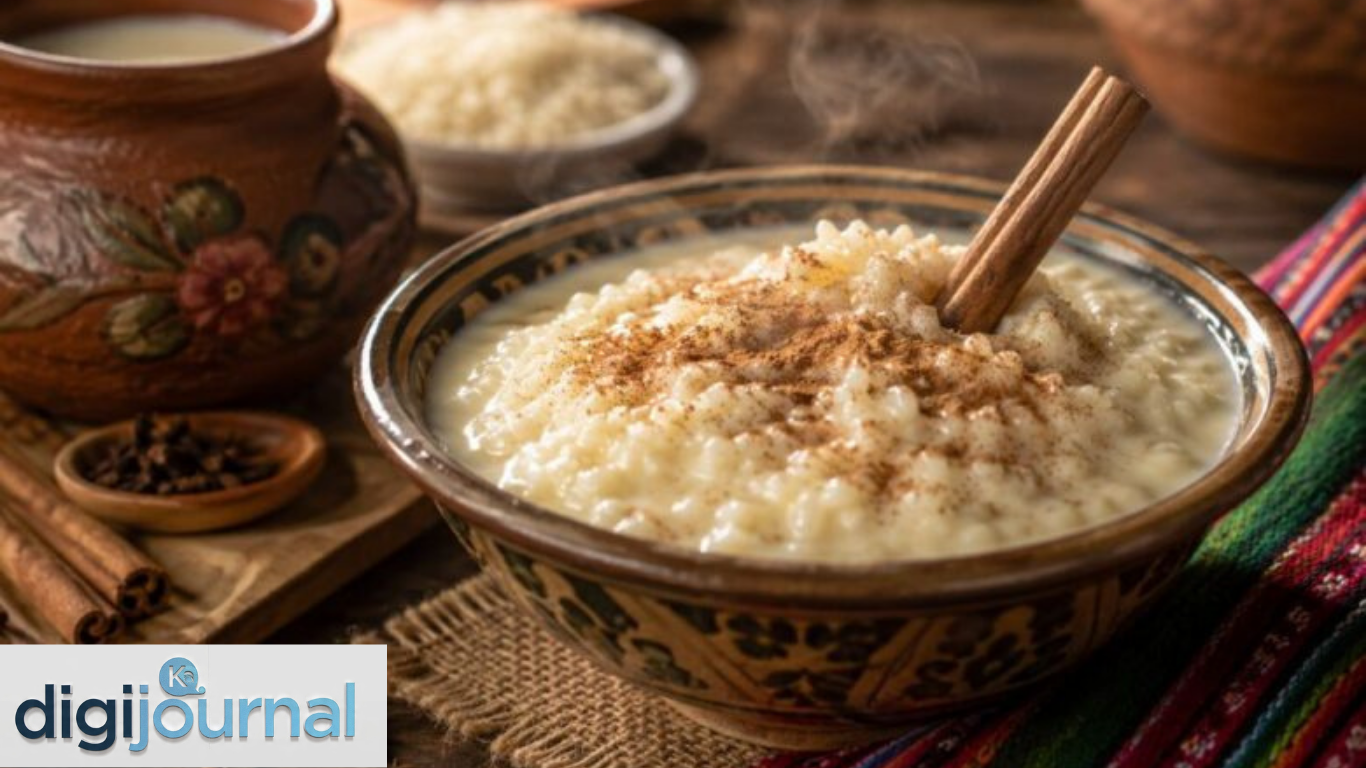
If you’ve ever found yourself typing “best Arroz Con Leche Boliviano near me” into your search bar at ten o’clock at night, you’re certainly not alone. There’s something almost irresistible about this velvety, cinnamon-kissed rice pudding that makes people go out of their way — sometimes crossing entire neighborhoods — just to get a proper bowl of it. Bolivia’s take on this beloved Latin American classic isn’t just dessert. It’s a cultural institution, a memory wrapped in cream, and honestly, one of the most comforting things you can put in your mouth.
Arroz Con Leche, which simply translates to “rice with milk,” might sound plain at first glance. But don’t let the humble name fool you. In Bolivian hands, this dish transforms into something genuinely extraordinary. The slow-cooked rice absorbs sweetened whole milk over a gentle flame, building a thick, pudding-like consistency that clings to your spoon. Add to that the warm notes of cinnamon, a whisper of vanilla, and sometimes a dusting of ground clove or a squeeze of citrus zest — and you’ve got yourself a dessert that feels like a warm hug from someone’s abuela.
This article is your complete guide to understanding, finding, and fully appreciating the best Arroz Con Leche Boliviano near you. Whether you’re a first-timer or a lifelong fan, there’s always something new to learn and appreciate about this timeless treat.
The Rich History Behind Bolivia’s Beloved Rice Pudding
To truly appreciate the best Arroz Con Leche Boliviano near me searches that populate Google every single day, you’ve got to understand where this dish comes from. The story stretches back centuries, weaving together indigenous Andean traditions, Spanish colonial influence, and the resourceful kitchen wisdom of Bolivian families across generations.
Rice itself arrived in Latin America with Spanish colonizers in the 16th century. Before long, it became a staple ingredient across the continent. The concept of cooking rice slowly in sweetened milk was already familiar in Spain and Portugal, drawing from Moorish culinary traditions that had deep roots in North Africa and the Middle East. When Spanish settlers brought this cooking technique to Bolivia, it merged beautifully with local ingredients and tastes.
Bolivia’s high-altitude climate and its unique relationship with dairy also played a role. In regions like Cochabamba — often called the country’s breadbasket — dairy production flourished, and whole, creamy milk became widely available. Families began simmering rice in generous amounts of fresh milk, sweetening it with local sugar, and perfecting their own family recipes over decades.
Today, Arroz Con Leche Boliviano is more than a dessert. It’s served at:
- Family celebrations and birthdays, where a big pot is made to feed everyone
- Street food markets (ferias), where vendors ladle it into cups for a quick, affordable treat
- Traditional restaurants (picanterías), where it rounds off a hearty meal
- School lunchboxes, where it serves as an energy-dense afternoon snack for children
- Sunday family lunches, where making it is a weekly ritual for many households
This deep cultural embedding is precisely what makes it so hard to replicate casually. A truly authentic bowl comes loaded with generational knowledge, not just ingredients.
What Makes Bolivian Arroz Con Leche Different From Other Versions
You might be wondering — isn’t rice pudding pretty much the same everywhere? Well, not quite. The best Arroz Con Leche Boliviano near me has a personality that sets it clearly apart from its Spanish, Mexican, or Peruvian cousins. Let’s break down what makes it distinctively Bolivian.
The Milk-to-Rice Ratio Bolivian-style arroz con leche tends to be richer and creamier than most other versions. Cooks use a higher proportion of whole milk, sometimes supplementing with a touch of evaporated milk for extra body. This creates a pudding that’s thick but never stodgy — luscious and flowing, almost like a pourable custard.
The Spicing Philosophy While cinnamon is universal in most versions, Bolivian recipes often include:
- Whole cinnamon sticks simmered directly in the milk
- A split vanilla bean or pure vanilla extract
- Occasionally, a small amount of ground clove or star anise for a warming depth
- Fresh lemon or orange zest for a subtle brightness that cuts through the richness
The Sweetness Level Bolivian Arroz Con Leche leans moderately sweet — never cloying. The sugar is used thoughtfully to complement the natural sweetness of the milk and the aromatic spices, rather than to overwhelm them.
The Texture This is perhaps the most defining characteristic. Unlike some versions that end up dry or sticky, the Bolivian preparation keeps the rice grains distinct yet tender, suspended in a silky, sauce-like cream. It’s meant to be soft, flowing, and deeply satisfying.
The Toppings and Garnishes A dusting of ground cinnamon on top is non-negotiable. Beyond that, many Bolivian cooks and vendors add:
- A sprinkle of raisins for sweetness and texture
- A drizzle of caramel sauce in more indulgent preparations
- Fresh fruit slices, particularly in warmer regions
How Traditional Bolivian Kitchens Make It — The Authentic Process
Getting the best Arroz Con Leche Boliviano near me means understanding that the magic lies in patience. This isn’t a 15-minute dessert. Authentic preparation is a slow, attentive process that rewards the cook handsomely.
Here’s a breakdown of the traditional method that most home cooks and authentic restaurants follow:
| Step | Action | Key Detail |
| 1 | Rinse the rice | Use short or medium-grain white rice; rinsing removes excess starch |
| 2 | Pre-cook the rice | Parboil briefly in water to begin softening |
| 3 | Transfer to milk | Move rice to a pot of whole warm milk with cinnamon sticks and zest |
| 4 | Slow simmer | Cook on very low heat, stirring frequently to prevent sticking |
| 5 | Add sugar | Add sugar midway to control absorption and prevent caramelizing |
| 6 | Finish with vanilla | Stir in vanilla near the end for a fresh aromatic lift |
| 7 | Rest and serve | Allow to cool slightly before serving; can be served warm or chilled |
The stirring is crucial. Traditional cooks stir almost constantly, which creates the signature creamy texture by slowly releasing the rice’s natural starch into the milk. It’s meditative work — and the results are unmistakably different from rushed versions.
Where to Find the Best Arroz Con Leche Boliviano Near Me
Now, let’s get down to the heart of the matter — actually finding the best Arroz Con Leche Boliviano near me. This can feel like a treasure hunt, especially if you’re not in a city with a large Bolivian community. But fear not, because there are more options than you might think.
Bolivian Restaurants and Picanterías
Your best bet for authenticity is always a dedicated Bolivian restaurant or a traditional picantería. These establishments pride themselves on regional cuisine, and their Arroz Con Leche is usually made in-house using recipes passed down through families. Look for restaurants that list traditional Bolivian dishes like salteñas, silpancho, or sopa de maní — if they do those well, their desserts are likely equally authentic.
Latin American Grocery Stores With Prepared Foods
Many Latin American grocery stores, particularly those with Bolivian or broader South American ownership, maintain a prepared foods section. It’s not uncommon to find fresh Arroz Con Leche sold by the cup or container. These shops often source from local Bolivian home cooks or small catering operations, meaning the quality is genuinely home-style.
Food Markets and Cultural Festivals
Bolivian communities around the world celebrate cultural festivals with tremendous pride, and food is always front and center. Events like Bolivian Independence Day celebrations (July 6th) or Latin American cultural fairs are absolute gold mines for finding authentic Arroz Con Leche made by community members using family recipes.
Home-Based Caterers and Delivery Services
A growing number of Bolivian home cooks operate small catering businesses or sell through social media platforms. Searching phrases like “Bolivian food delivery near me” or “Bolivian catering” on Instagram or Facebook Marketplace often reveals talented cooks who make excellent Arroz Con Leche to order.
Tips for Identifying Authentic Versions
When you’re evaluating options, keep these quality markers in mind:
- The pudding should be creamy but not watery — a good texture holds its shape slightly in the bowl
- You should smell the cinnamon before you even taste it — that aromatic intensity is a hallmark of authenticity
- The rice grains should be soft but identifiable — not dissolved into mush
- The sweetness should be pleasant and balanced, not sharp or sugary
- A fresh dusting of ground cinnamon on top indicates care and tradition
The Nutritional Value of Arroz Con Leche Boliviano — More Than Just a Treat
Beyond its incredible flavor, Arroz Con Leche Boliviano actually packs a meaningful nutritional punch. This is why it’s traditionally offered to children, elderly family members, and anyone recovering from illness — it’s genuinely nourishing.
Here’s a general overview of what a standard serving provides:
| Nutrient | Approximate Amount Per Serving (1 cup) |
| Calories | 250–320 kcal |
| Carbohydrates | 45–55 g |
| Protein | 7–10 g |
| Fat | 5–9 g |
| Calcium | 20–25% of daily value |
| Vitamin D | 10–15% of daily value (from whole milk) |
| Iron | 5–8% of daily value |
| Phosphorus | 15–20% of daily value |
The whole milk base contributes calcium and fat-soluble vitamins, while the rice provides sustained carbohydrate energy. Cinnamon, beyond its flavor contribution, is associated with blood sugar regulation and anti-inflammatory properties. It’s comfort food with genuine nutritional credentials — and that’s a winning combination by any measure.
Of course, portion size matters, and added sugar is a consideration for those watching their intake. Many modern cooks and restaurants now offer lower-sugar versions or use alternatives like panela (unrefined cane sugar) for a more complex, less refined sweetness.
Tips for Making Authentic Arroz Con Leche Boliviano at Home
Can’t find the best Arroz Con Leche Boliviano near me? Well, why not try making it yourself? With the right guidance, this dish is entirely achievable in a home kitchen. Here are the essential tips that separate a good homemade version from a truly exceptional one.
Choose the Right Rice Short or medium-grain white rice works best. Varieties like Arborio (yes, the risotto rice) produce an exceptionally creamy result because of their high starch content. Avoid long-grain varieties like basmati, which stay too firm and don’t release enough starch.
Use Whole Milk — No Substitutions Whole milk is non-negotiable for the authentic texture and richness. Skim or low-fat milk simply won’t produce the same silky body. Some cooks blend in a quarter cup of heavy cream or evaporated milk near the end of cooking for extra indulgence.
Don’t Rush the Heat Low and slow is the only way. A rushing cook ends up with scorched milk and unevenly cooked rice. Patience is the most important ingredient.
Infuse Before You Cook Warm the milk with the cinnamon sticks and citrus zest before adding the rice. This builds a deeply aromatic base that permeates every grain.
Add Sugar at the Right Time Add sugar after the rice has absorbed most of the milk — typically about two-thirds through the cooking time. Adding it too early can interfere with the rice softening and cause the sugars to concentrate unevenly.
Stir, Stir, Stir Seriously — stir frequently. This prevents sticking and builds that characteristic creamy consistency.
Serve With Care Ladle into individual bowls or cups, dust generously with ground cinnamon, and serve either warm or chilled. Both are equally traditional and delicious.
Regional Variations Across Bolivia — Every City Has Its Secret
Bolivia is a country of fascinating regional diversity, and its food reflects that vividly. When searching for the best Arroz Con Leche Boliviano near me, knowing about regional variations can help you identify what style you’re tasting — and what to ask for.
Cochabamba Style
Cochabamba, Bolivia’s culinary capital, produces arguably the richest version. Local cooks use cream-heavy whole milk from nearby dairy farms, add a generous amount of cinnamon, and sometimes incorporate a small amount of rice flour to thicken the sauce further. It’s dense, deeply flavored, and undeniably indulgent.
La Paz Style
In the capital city, Arroz Con Leche tends to be slightly lighter and is often served warmer than in other regions. Street vendors in La Paz frequently sell it alongside api morado (purple corn drink) — a classic pairing at early morning markets known as “desayunadores.”
Santa Cruz Style
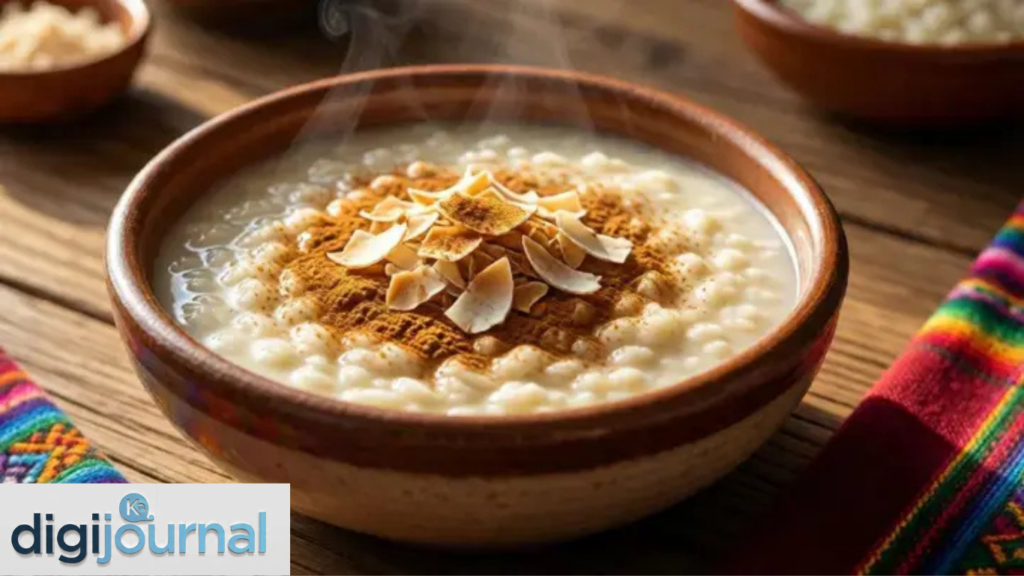
In the lowland city of Santa Cruz, the climate is warmer, and so the arroz con leche is often served chilled or at room temperature. Some cooks in this region add coconut milk for a tropical twist, reflecting the region’s lowland, Amazonian influences.
Sucre and Potosí Style
In these historically rich colonial cities, recipes tend to be more traditional and restrained, closely following century-old family techniques. The flavoring here often skews toward a stronger cinnamon presence, with less emphasis on vanilla.
Understanding these regional styles makes your search for the best Arroz Con Leche Boliviano near me not just about finding any version — but finding the version that speaks to your particular taste preferences.
Why Arroz Con Leche Boliviano Deserves a Spot on Your Regular Rotation
Look, there are hundreds of desserts competing for your attention and your stomach’s real estate. So why should Arroz Con Leche Boliviano be your go-to? Here’s the honest case for why this humble rice pudding absolutely deserves your loyalty.
It’s Genuinely Versatile Serve it warm on a cold winter evening, or chilled in the heat of summer. Pair it with coffee, hot chocolate, or fruit. It works as a breakfast, a snack, or a dessert. Few foods carry that kind of flexibility.
It’s Accessible and Affordable Unlike many artisanal or specialty desserts, Arroz Con Leche is made from inexpensive pantry ingredients. Whether you’re buying it from a restaurant or making it at home, it doesn’t require a significant financial investment.
It Carries Genuine Cultural Meaning Eating Arroz Con Leche Boliviano isn’t just consuming food — it’s participating in a tradition. Every bowl connects you to generations of Bolivian families who’ve made this recipe with love, care, and a generous hand with the cinnamon shaker.
It Makes You Feel Good And honestly — isn’t that the whole point of comfort food? After a long day, a proper bowl of Arroz Con Leche Boliviano is the culinary equivalent of putting on your favorite sweater. It just works.
A Guide to Pairing Arroz Con Leche Boliviano With Other Bolivian Foods
While it stands beautifully on its own, Arroz Con Leche Boliviano also pairs wonderfully with other elements of Bolivian cuisine. If you’re exploring a Bolivian restaurant or setting up a Bolivian feast at home, here’s how to build a meal around it.
- After Silpancho — This breaded, flattened beef dish is hearty and filling. A light, chilled Arroz Con Leche makes the perfect sweet ending.
- After Sopa de Maní — This rich peanut-based soup is warming and filling. Follow it with a warm bowl of arroz con leche for a fully satisfying experience.
- Alongside Api Morado — Bolivia’s traditional purple corn drink is mildly sweet and aromatic. Paired together, these two create an iconic Bolivian morning or afternoon refreshment combination.
- After Salteñas — These juicy, stuffed pastries are a beloved Bolivian street food. A small cup of arroz con leche afterward turns a snack into a complete, satisfying meal.
- With Fresh Fruit — In warmer regions, a bowl of Arroz Con Leche alongside fresh tropical fruits like mango or papaya creates a delightful contrast of warm creaminess and bright, fresh sweetness.
The Enduring Legacy of Arroz Con Leche Boliviano — A Dessert That Connects Generations
Searching for the best Arroz Con Leche Boliviano near me is, when you think about it, about far more than finding a dessert. It’s about connecting with a living culinary tradition that’s survived colonization, modernization, globalization, and changing food trends — and come out on the other side still warm, still creamy, and still beloved.
In Bolivia, grandmothers teach their grandchildren how to make it. Migrants carry the recipe with them to new countries, recreating it in foreign kitchens as a link to home. Restaurants serving it to new audiences are sharing not just a dish but a piece of Bolivian cultural identity. And every person who types “best Arroz Con Leche Boliviano near me” into a search bar is, in their own small way, participating in this ongoing story.
The dish has proven itself remarkably adaptable too. Modern Bolivian chefs are reinterpreting it with alternative milks, reduced sugar, infused spices, and creative presentations — without losing its essential soul. That’s the mark of a truly great recipe: it can evolve without losing itself.
So whether you’re finding it at a local Bolivian restaurant, a neighborhood Latin market, a cultural festival, or your own kitchen stove — the best Arroz Con Leche Boliviano near me is waiting for you. All it asks is that you slow down, take a breath, and enjoy every spoonful.
Conclusion
At the end of the day, the best Arroz Con Leche Boliviano near me isn’t just a phrase you type into a search bar — it’s a commitment to seeking out something real, something made with care, and something rooted in a rich culinary tradition that spans centuries. Bolivia’s version of this iconic rice pudding stands apart for its creaminess, its balanced sweetness, its aromatic depth, and the cultural love baked into every slow-stirred pot.
Whether you’re fortunate enough to live near a dedicated Bolivian restaurant, clever enough to find a home cook selling through local social media, or inspired enough to try your hand at the recipe yourself — the journey is absolutely worth it. This is comfort food at its most genuine, its most nourishing, and its most delicious. Don’t miss out on it.
The next time you find yourself craving something warm, creamy, and deeply satisfying, remember: the best Arroz Con Leche Boliviano near me is out there — and now you know exactly where to look, what to look for, and why it’s so worth finding.
FAQs
What is Arroz Con Leche Boliviano made of?
Bolivian Arroz Con Leche is made from short or medium-grain white rice, whole milk, sugar, cinnamon sticks, vanilla, and citrus zest. Some recipes also include evaporated milk for extra creaminess, and the finished dish is typically topped with a generous dusting of ground cinnamon.
How is Bolivian Arroz Con Leche different from other versions?
The Bolivian version is notably creamier than many other Latin American styles, using a higher milk-to-rice ratio and often incorporating evaporated milk. It also tends to feature a more complex spice profile, including citrus zest alongside cinnamon and vanilla. The texture is thick, silky, and flowing rather than firm or sticky.
Can I find the best Arroz Con Leche Boliviano near me if I’m not in Bolivia?
Absolutely! Bolivian communities have established restaurants, home-based food businesses, and cultural event food stalls in cities across the United States, Europe, and beyond. Searching social media platforms, Latin American grocery stores, and local cultural festival listings is often the quickest way to find authentic options near you.
Is Arroz Con Leche Boliviano served hot or cold?
Both! In highland regions like La Paz and Cochabamba, it’s commonly served warm, especially as a morning or afternoon treat. In warmer lowland areas like Santa Cruz, a chilled or room-temperature version is more typical. Both preparations are equally traditional and delicious — it ultimately comes down to personal preference and the weather.
How long does homemade Arroz Con Leche Boliviano last in the fridge?
When stored in an airtight container, homemade Arroz Con Leche will keep well in the refrigerator for up to 4 days. The pudding tends to thicken as it cools, so you may want to stir in a small splash of warm milk before serving it again to restore its original creamy consistency.
