

Wearables FeedWorldTech isn’t just a buzzword — it’s a movement. In a world where technology is woven into nearly every corner of daily life, wearable devices are stepping up to play a role far bigger than counting your steps or tracking your sleep. They’re helping feed communities, improve global food systems, monitor agricultural workers, and reshape how humanity thinks about health and nutrition at scale. Well, isn’t that something?
From smartwatches strapped to the wrists of farmers in rural India to biosensors embedded in the clothing of food logistics workers, the intersection of wearables and food systems is one of the most exciting — and most underappreciated — technological revolutions of our time. This article dives deep into how Wearables FeedWorldTech is changing lives, disrupting old systems, and opening doors we didn’t even know existed.
What Are Wearables and Why Do They Matter Now
Let’s start from the beginning, shall we? Wearable technology refers to electronic devices that can be worn on the body — either as accessories or embedded in clothing. These devices collect data, monitor bodily functions, communicate with other systems, and increasingly, make intelligent decisions based on real-time information.
Today’s wearables go far beyond fitness bands. They include:
- Smartwatches with health monitoring capabilities
- Smart rings that track biometrics continuously
- Biosensor patches that monitor hydration, glucose, and fatigue
- Smart glasses used in logistics and agriculture
- Exoskeletons that support physical labor in farming and warehousing
- Environmental sensors worn by field workers to detect soil and air conditions
The global wearable technology market is on a rocket trajectory, projected to reach hundreds of billions of dollars in value over the coming decade. And a growing slice of that pie is being directed toward food systems, agriculture, and global sustainability efforts — which is exactly where Wearables FeedWorldTech comes in.
The Growing Connection Between Wearables and Global Food Systems
Here’s the thing — feeding the world is harder than it looks. With a global population surpassing 8 billion, climate change disrupting growing seasons, and supply chains that can break under pressure, agriculture and food production need every smart tool available.
Wearables are stepping in to fill critical gaps. Farmers wearing biosensor-equipped vests can now receive real-time alerts about heat stress, dehydration, or physical overexertion — preventing illness before it becomes dangerous. Meanwhile, smart agricultural gloves embedded with soil sensors allow workers to gather soil health data just by touching the ground.
Wearables FeedWorldTech is the philosophical and practical bridge between these innovations and the broader goal of feeding people efficiently, safely, and sustainably.
Consider these real-world applications:
- Hydration monitors for farm laborers working in extreme heat
- Posture-correction wearables for workers doing repetitive harvesting tasks
- GPS-enabled safety vests that track worker location in large agricultural zones
- Smart helmets with augmented reality displays showing crop data
- Glucose-monitoring patches used in nutrition programs for rural communities
Each of these tools isn’t just fancy technology for technology’s sake. Each one solves a real problem, and together, they’re creating a new kind of agricultural ecosystem — one that’s smarter, safer, and more humane.
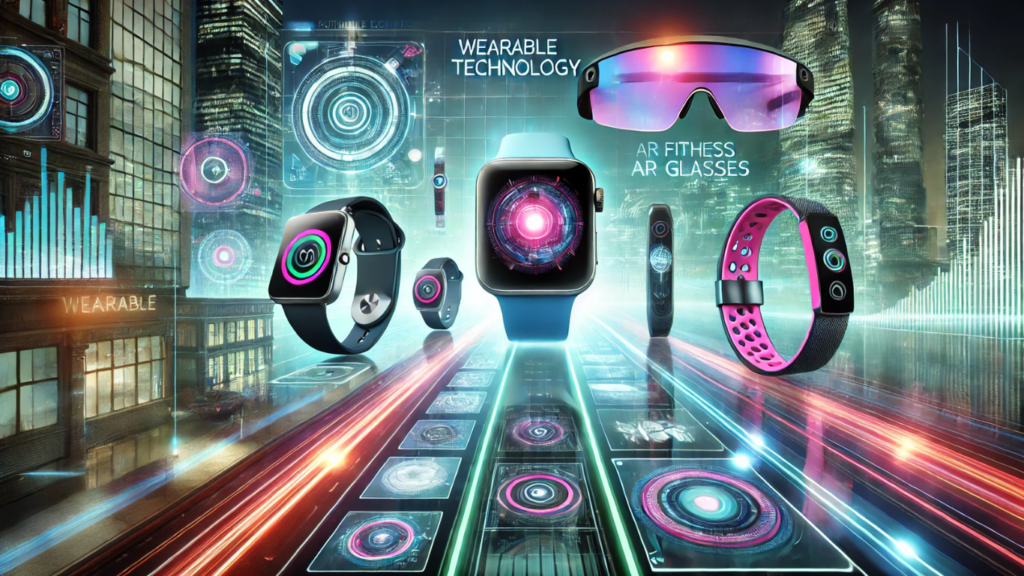
How Wearable Health Tech Is Improving Nutrition Globally
Nutrition is the foundation of human performance. And wearable health technology is making it easier than ever to understand what our bodies actually need — not just what a generic food pyramid tells us.
Continuous glucose monitors (CGMs), for instance, were once used only by diabetic patients. Today, they’re being adopted by health-conscious individuals worldwide to understand how their bodies respond to different foods. This personal nutritional data is priceless.
Imagine a farmer in sub-Saharan Africa who wears a non-invasive hydration sensor during a long day in the field. The sensor detects early signs of dehydration and sends an alert to a community health worker’s smartphone. Simple. Effective. Life-saving.
Key nutritional wearables making a global impact:
| Wearable Device | Function | Global Impact |
| Continuous Glucose Monitor | Tracks blood sugar in real time | Helps manage diabetes and diet globally |
| Sweat Sensor Patch | Monitors electrolytes and hydration | Crucial for hot-climate agricultural workers |
| Smart Scale Integration | Connects BMI and body composition to apps | Supports nutrition programs in schools |
| Wearable Spectroscopy Devices | Non-invasive nutrient analysis | Enables personalized dietary guidance |
| Heart Rate + SpO2 Wearables | Monitors cardiovascular and oxygen health | Used in malnutrition health assessments |
These aren’t futuristic concepts gathering dust in a lab. Many of these tools are already deployed in pilot programs by NGOs, governments, and agri-tech companies around the globe. The momentum behind Wearables FeedWorldTech is very real, and it’s accelerating.
Wearables in Agricultural Labor: Safety, Efficiency, and Dignity
Oh, the farming life — it’s tough, no question about it. Agricultural workers deal with extreme weather, physically demanding tasks, and often, limited access to healthcare. Wearable technology is beginning to address all three of these challenges simultaneously.
Safety is perhaps the most immediate benefit. Exoskeleton suits designed for farm work can reduce the physical strain of repetitive motions like picking, bending, and lifting. These wearable support structures distribute weight more evenly across the body, reducing the risk of musculoskeletal injury — a leading cause of disability among agricultural workers.
Efficiency is another major win. Smart glasses equipped with heads-up displays allow farm managers to see real-time crop data, weather forecasts, and worker location overlays without ever pulling out a smartphone. It’s hands-free farming, and it’s remarkably productive.
Then there’s the matter of dignity. Wearable technology, when deployed thoughtfully, tells workers: your health matters, your safety matters, and we’re investing in tools to prove it. That message — backed by action — transforms workplace culture.
The Role of AI and Data in Wearables FeedWorldTech
You can’t talk about modern wearables without talking about artificial intelligence. The two go together like bread and butter. Wearables collect enormous amounts of data — heart rate, temperature, movement patterns, sweat composition, GPS coordinates — and AI is what makes that data actually useful.
Machine learning algorithms analyze patterns across thousands of data points to deliver personalized, actionable insights. In an agricultural context, this means:
- Predicting worker fatigue before it becomes dangerous
- Identifying early signs of heat-related illness
- Optimizing work schedules based on environmental conditions
- Alerting supervisors when a worker hasn’t moved in an unusual amount of time
Moreover, when wearable data is aggregated across a workforce, it creates a community health picture that was simply impossible to draw before. Public health officials, agricultural companies, and aid organizations can use this data to make better decisions — allocating resources, designing better working conditions, and planning nutritional interventions more effectively.
Wearables FeedWorldTech at its core is about turning body-level data into world-level change. And AI is the engine that makes that transformation possible.

Wearables in the Food Supply Chain: From Farm to Fork
The food supply chain is a complicated beast. Food travels from farms to processing facilities, storage warehouses, transportation vehicles, and retail shelves before it ever lands on your dinner table. At every step of this journey, quality can deteriorate and safety can be compromised.
Wearable technology is being deployed at multiple points in this chain to keep things running smoothly and safely.
At the farm level: Workers wear devices that monitor their health and environmental conditions, ensuring that exhaustion or illness doesn’t lead to unsafe food handling.
In processing facilities: Smart wristbands track hand-washing compliance, temperature exposure, and movement patterns to ensure hygiene protocols are followed. This is a game-changer in post-pandemic food safety culture.
In logistics and warehousing: Augmented reality glasses help workers locate, organize, and manage inventory faster and more accurately. Exoskeleton suits reduce injury rates among warehouse staff who lift heavy loads all day.
At retail: Some forward-thinking retailers are even equipping staff with wearable communication devices that sync with inventory systems, reducing food waste by ensuring that near-expiry items are flagged and prioritized.
All of these applications connect back to the core mission of Wearables FeedWorldTech — using intelligent, body-worn technology to make the food we eat safer, more sustainable, and more equitably distributed.
Challenges and Ethical Considerations in Wearable Tech Deployment
Now, let’s not put on rose-colored glasses here — deploying wearables at scale comes with real challenges. And addressing them honestly is essential to building trust.
Privacy is a big one. When workers wear devices that track their movements, biometrics, and health data, questions about who owns that data — and how it’s used — are entirely legitimate. Robust data governance frameworks must be in place before widespread deployment.
Cost and accessibility are also barriers. High-quality wearables can be expensive, and the communities that need them most — rural farmers in developing countries, for instance — may not be able to afford them without subsidies or aid programs.
Digital literacy is another hurdle. A smartwatch is only useful if the wearer understands how to interpret the data it provides. Training and education must accompany technology deployment.
Battery life and durability matter enormously in field conditions. A device that dies after six hours or breaks when it gets wet is not fit for agricultural use.
The good news? These challenges are being actively addressed by innovators, policymakers, and NGOs alike. The trajectory of Wearables FeedWorldTech is toward greater affordability, longer battery life, ruggedized designs, and stronger ethical frameworks.
Inspiring Global Initiatives Powered by Wearable Tech
Around the world, organizations are already putting wearable technology to work in meaningful, measurable ways. Here are a few that deserve a standing ovation:
- The World Food Programme (WFP) has explored wearable nutrition-monitoring tools as part of emergency food relief programs in conflict zones.
- AgriWear Labs (an emerging agri-tech startup) has developed a solar-powered smart vest for smallholder farmers that monitors hydration, location, and ambient temperature — all without requiring a smartphone.
- University research programs in the United States, Netherlands, and Kenya are studying how continuous health monitoring through wearables can improve outcomes in food-insecure communities.
These initiatives show that Wearables FeedWorldTech isn’t hypothetical — it’s happening right now, in real communities, with real results. And that’s genuinely exciting.
The Future of Wearables FeedWorldTech: What’s Coming Next
Alright, let’s dream a little. Where is all this heading?
The next generation of wearable technology promises to be even more integrated, intelligent, and impactful. Here’s a glimpse of what’s on the horizon:
- Ingestible sensors that monitor gut health and nutritional absorption from inside the body
- Biodegradable wearables designed specifically for agricultural settings — no e-waste, no environmental guilt
- Neural interface wearables that allow hands-free control of machinery and data systems
- Ambient energy harvesting wearables that charge themselves using body heat or movement
The convergence of wearable technology, artificial intelligence, Internet of Things (IoT) connectivity, and sustainable design will continue to deepen the impact of Wearables FeedWorldTech on global food systems, human health, and agricultural productivity.
We’re not just talking about gadgets. We’re talking about a fundamental reimagining of how human beings interact with the systems that keep them alive and fed.
Conclusion
Wearables FeedWorldTech represents one of the most promising intersections of technology and humanity in our generation. From the farmer sweating under the midday sun who gets an alert before heat exhaustion sets in, to the warehouse worker whose exoskeleton makes a grueling shift manageable, wearable technology is quietly — and sometimes loudly — changing lives.
It’s not perfect yet. As wearables become more affordable, more durable, and more intelligent, their role in feeding the world will only grow.
The question is how quickly we can scale these innovations to reach every farmer, every food worker, and every community that needs them most. And that, honestly, is a challenge worth every bit of our collective effort and optimism.
FAQs
What is Wearables FeedWorldTech?
Wearables FeedWorldTech refers to the growing application of wearable technology — smartwatches, biosensor patches, smart clothing, and more — within global food systems, agricultural labor, and nutrition programs. It represents the convergence of tech innovation and the mission to feed and sustain the world more effectively.
How do wearables help agricultural workers?
Wearables help agricultural workers by monitoring vital signs like heart rate, body temperature, and hydration levels in real time. They can detect signs of heat stress or fatigue early, track worker location for safety purposes, and even support physical tasks through exoskeleton technology that reduces injury risk.
What data do agricultural wearables collect?
Agricultural wearables typically collect biometric data such as heart rate, body temperature, sweat composition, and oxygen saturation, as well as environmental data like ambient temperature, GPS location, and air quality.
Is wearable health data private and secure?
Data privacy is a critical concern in wearable tech deployment. Reputable wearable programs use encrypted data transmission, anonymized datasets, and clearly defined data ownership policies. Workers must always be informed about what data is collected, how it is used, and who has access to it. Ethical deployment is non-negotiable in responsible Wearables FeedWorldTech initiatives.
