
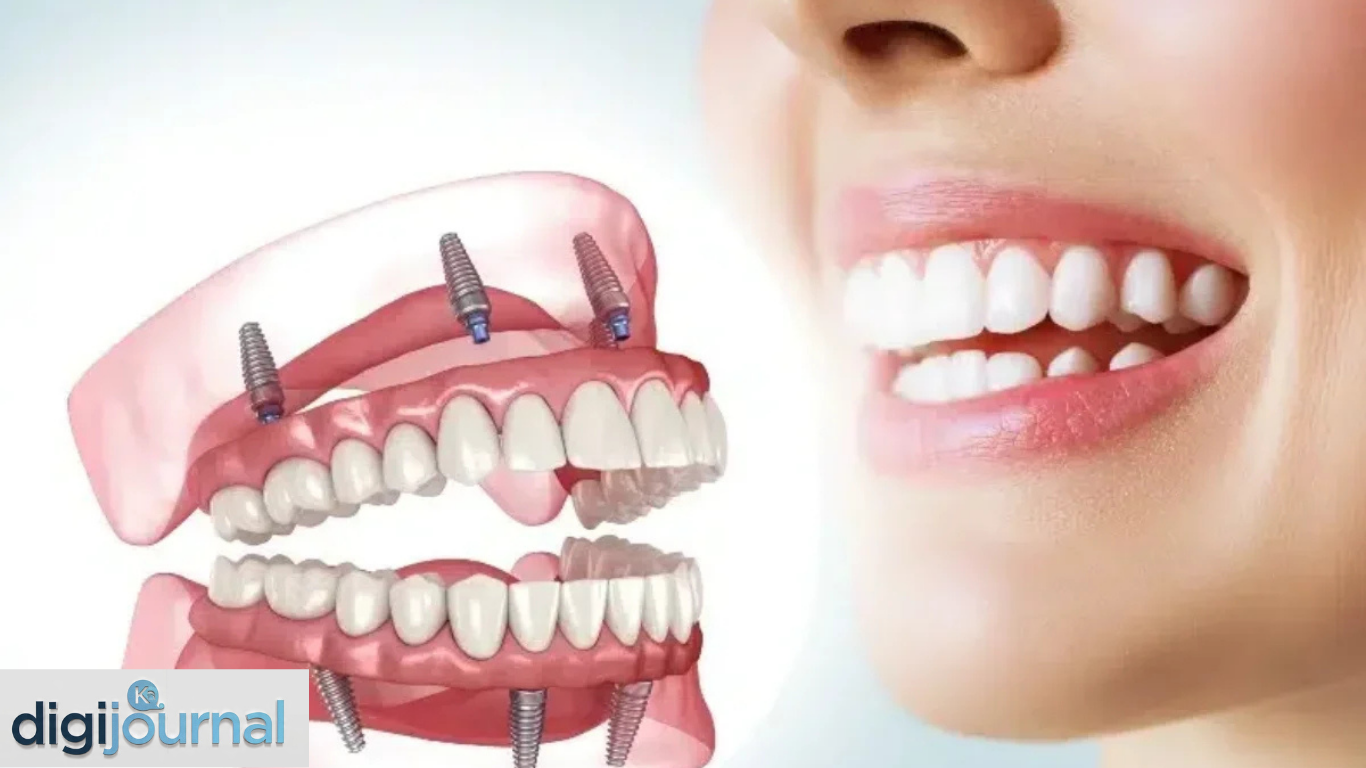
Let’s be real for a second: nobody loves talking about money, especially when it comes to your health. But if you’re missing a tooth (or several), understanding dental implants cost isn’t just helpful, it’s essential. After all, a confident smile shouldn’t feel like a financial mystery wrapped in dental jargon.
Here’s the thing. Dental implants have quietly become the gold standard for replacing missing teeth, and for good reason. They look natural, they last for years, and they let you eat your favorite foods without a second thought. But the price tag attached to them can make even the calmest person break a sweat. So, let’s roll up our sleeves and break down exactly what goes into the dental implants cost, why it varies so much, and how you can make a smart, informed decision without emptying your savings account.
By the time you finish reading, you’ll have a much clearer picture of the dental implants cost landscape, and you’ll feel a whole lot more optimistic about your smile’s future.
What Are Dental Implants, Exactly?
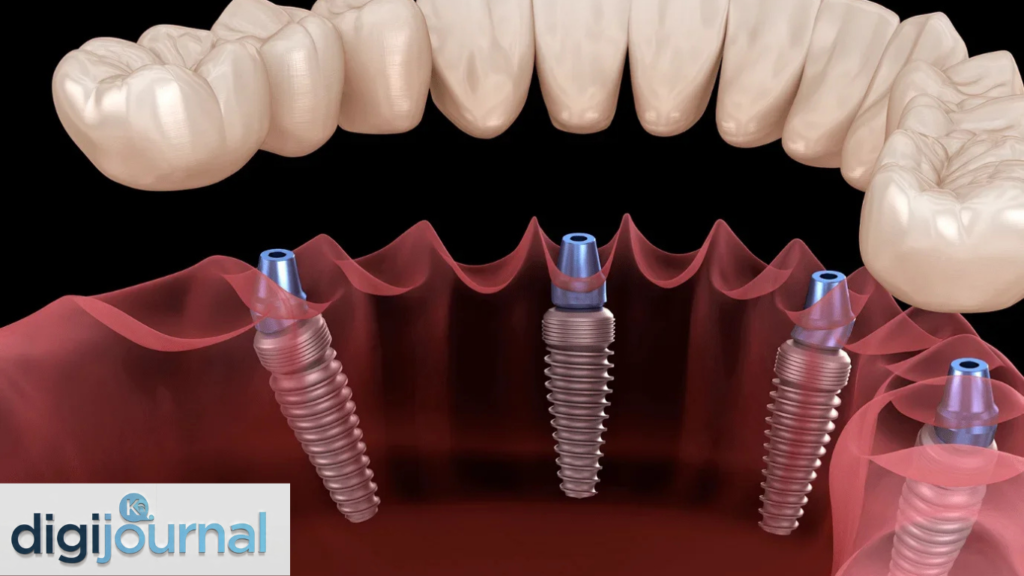
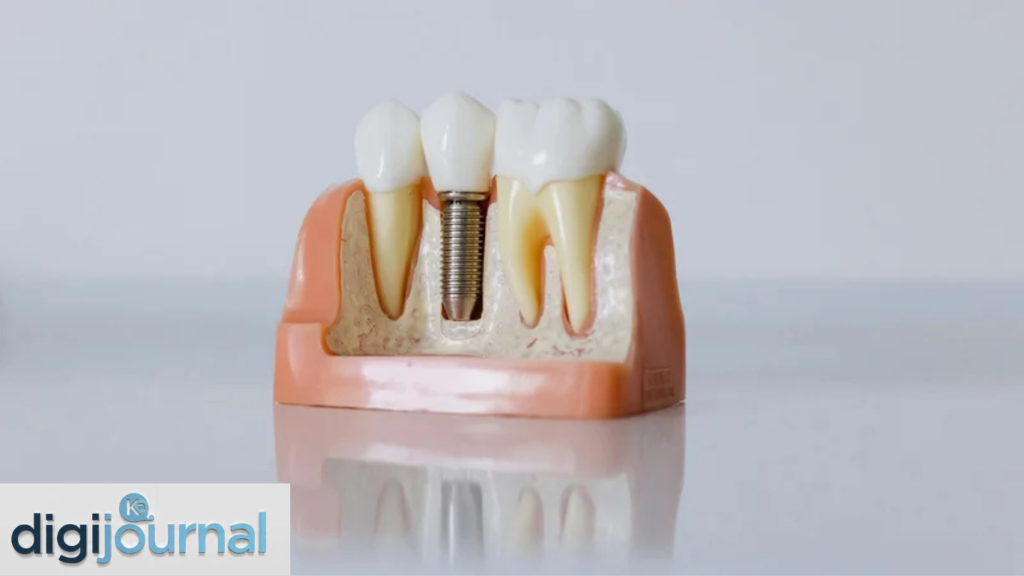
Before diving into numbers, it helps to know what you’re actually paying for. A dental implant isn’t just a fake tooth glued into place; it’s a small titanium post that’s surgically placed into your jawbone, acting like an artificial root. Once it heals (this process is called osseointegration, fancy word, simple idea), a connector piece called an abutment is attached, and finally, a custom-made crown sits on top.
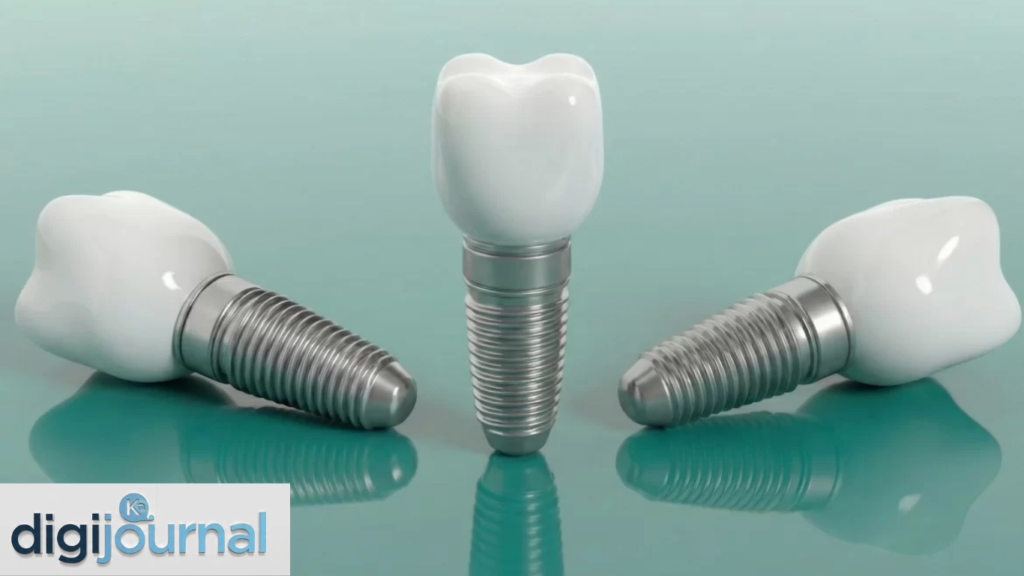
In short, a complete implant has three parts:
- The implant post – the titanium screw anchored in the jawbone
- The abutment – the small connector piece
- The crown – the visible, tooth-shaped part everyone sees when you smile
Each of these pieces adds to the overall dental implants cost, which is why a single implant is rarely a one-line bill. It’s more like a three-course meal, each course has its own price.
Why Does Dental Implants Cost So Much in the First Place?
Here’s where a lot of folks raise an eyebrow. Why does something so small cost so much? Well, when you think about it, you’re not just paying for a piece of titanium. You’re paying for:
- Years of specialized training the dentist or oral surgeon has invested in
- High-quality, biocompatible materials that won’t trigger rejection
- Precision imaging like 3D scans and X-rays
- A sterile surgical environment
- Lab fees for crafting a custom crown that matches your bite perfectly
- Follow-up visits to make sure everything’s healing properly
Honestly, when you break it down piece by piece, the dental implants cost starts to make a lot more sense. It’s less “expensive dentistry” and more “investment in something built to last decades.”
We’ve reached a good point to picture what’s actually happening beneath the gum line, since seeing the structure makes the pricing easier to digest.
Breaking Down the Average Dental Implants Cost
So, what’s the actual number? On average, a single tooth implant in the United States typically lands somewhere between $3,000 and $4,500, including the post, abutment, and crown. That said, prices can swing higher or lower depending on where you live, who’s doing the work, and what your mouth needs.
Here’s a quick snapshot to give you a clearer picture:
| Treatment Type | Average Cost (USD) | What’s Included |
| Single tooth implant (post + abutment + crown) | $3,000 – $4,500 | Surgery, healing time, custom crown |
| Implant-supported bridge (3-4 teeth) | $5,000 – $15,000 | Multiple implants, connected bridge |
| Full mouth implants (per arch) | $20,000 – $45,000 | Multiple implants, full denture or bridge |
| All-on-4 implants (per arch) | $15,000 – $30,000 | Four implants supporting a full arch |
| Bone graft (if needed) | $300 – $3,000 | Additional bone support before implant placement |
Keep in mind, these numbers are ballpark figures, not gospel truth. Your actual dental implants cost will depend on your unique situation, and that’s perfectly normal.
Single Tooth, Multiple Teeth, or Full Mouth: How Dental Implants Cost Changes
Not everyone needs the same treatment, and that’s where things get interesting. The dental implants cost for one missing tooth is, unsurprisingly, much lower than replacing an entire mouth full of teeth.
Let’s break it down further:
- Single tooth replacement: Simplest and most affordable option, generally a one-time procedure with minimal complications.
- Multiple teeth (implant bridge): A few implants support several crowns at once, which actually saves money compared to placing individual implants for each missing tooth.
- Full mouth restoration: Often done using techniques like All-on-4 or All-on-6, where just four to six implants support an entire arch of teeth. It sounds intense, and it is a bigger investment, but it’s remarkably efficient compared to replacing every single tooth individually.
So, whether you need one implant or a full set, there’s a path forward, and it doesn’t have to break the bank entirely.
Key Factors That Push Dental Implants Cost Up or Down
Alright, here’s the meat and potatoes of this whole discussion. Several variables sneak into the final price, and knowing them ahead of time can save you from sticker shock later.
- Location matters: Dental implants cost more in big cities and coastal regions compared to smaller towns, simply due to overhead and demand.
- Dentist’s experience: A seasoned oral surgeon with a stellar reputation will likely charge more than a newer practitioner, though experience often pays off in fewer complications.
- Material quality: Titanium implants are standard, but premium brands and zirconia options can raise the price.
- Bone health: If your jawbone has thinned out over time (which happens after missing teeth for a while), you might need a bone graft first, adding to the overall cost.
- Number of implants needed: Obviously, replacing three teeth costs more than replacing one, though bulk procedures sometimes come with package discounts.
- Additional procedures: Sinus lifts, tooth extractions, or gum treatments done beforehand will all factor into your final bill.
Knowing these factors upfront means you won’t be caught off guard, and that’s half the battle when it comes to managing dental implants cost wisely.
Dental Implants Cost Around the World
Here’s a fun fact that surprises a lot of people: dental implants cost dramatically different amounts depending on which country you’re in. Dental tourism has actually become a legitimate way for people to save thousands of dollars, provided they do their homework on clinic quality and aftercare.
| Country | Average Cost per Implant (USD) |
| United States | $3,000 – $4,500 |
| United Kingdom | $2,500 – $3,800 |
| Canada | $2,800 – $4,200 |
| Mexico | $900 – $1,800 |
| Turkey | $600 – $1,200 |
| Thailand | $1,000 – $1,800 |
| India | $500 – $1,200 |
| Pakistan | $400 – $1,000 |
Pretty eye-opening, right? While traveling abroad for cheaper treatment isn’t for everyone, it’s worth knowing that dental implants cost isn’t fixed worldwide; it shifts dramatically based on local economics, labor costs, and healthcare regulations.
Smart Ways to Lower Your Dental Implants Cost
Now, here comes the part you’ve probably been waiting for: how do you actually save money without sacrificing quality? Good news, there are several legitimate ways to bring down your dental implants cost without cutting corners on safety.
- Compare multiple clinics: Don’t just settle for the first quote. Shop around, ask questions, and request itemized estimates.
- Ask about payment plans: Many dental offices offer financing options that break the total cost into manageable monthly payments.
- Consider dental schools: University-affiliated dental clinics often provide implant procedures at reduced rates, performed by supervised students under expert guidance.
- Look into dental tourism: As shown above, traveling internationally can cut costs significantly, just be sure to research the clinic’s credentials thoroughly.
- Check for package deals: If you need multiple implants, ask whether the clinic offers bundled pricing.
- Maintain good oral hygiene: Preventing future dental issues means fewer additional procedures down the road, which keeps long-term costs lower.
A little research goes a long way, and trimming your dental implants cost doesn’t mean settling for subpar care.
Does Insurance Cover Dental Implants Cost?
Here’s where things get a tad frustrating. Standard dental insurance plans often treat implants as a “cosmetic” procedure, even though they’re frequently medically necessary. That said, coverage is slowly improving as more insurers recognize the long-term health benefits of implants over older alternatives like dentures.
A few things worth knowing:
- Some plans cover a portion of the dental implants cost, typically between 10% and 50%, depending on your policy.
- Medical insurance (rather than dental insurance) might kick in if the tooth loss resulted from an accident or medical condition.
- Flexible Spending Accounts (FSA) and Health Savings Accounts (HSA) can often be used to offset implant expenses.
- Always double-check your policy’s fine print; some plans only cover the crown, not the surgical implant itself.
Don’t be shy about calling your insurance provider directly and asking pointed questions. It might feel tedious, but it could save you hundreds, if not thousands, of dollars.
Is the Dental Implants Cost Worth Every Penny?
Here’s the million-dollar question (well, hopefully not literally). Is it worth paying the dental implants cost, or should you stick with cheaper alternatives like dentures or bridges?
Honestly, when you weigh the pros and cons, implants tend to come out ahead in the long run. Here’s why:
- Durability: With proper care, implants can last 20+ years, sometimes a lifetime, while dentures typically need replacing every 5-10 years.
- Bone preservation: Implants stimulate the jawbone, preventing the bone loss that often occurs with missing teeth or traditional dentures.
- Natural feel: Unlike removable dentures, implants don’t shift or slip while eating or talking.
- Long-term savings: Although the upfront dental implants cost is higher, you avoid the repeated costs of adjustments, relines, and replacements that come with other options.
When you crunch the numbers over a decade or two, implants often turn out to be the more economical choice, not to mention the boost in confidence that comes with a permanent, natural-looking smile.
Conclusion
At the end of the day, understanding dental implants cost comes down to knowing what you’re paying for, why prices vary, and how you can make the investment more affordable without sacrificing safety or quality. Yes, the upfront price might seem steep, but when you consider the durability, comfort, and long-term health benefits, it’s an investment that tends to pay for itself many times over. So, whether you’re replacing one tooth or your entire smile, rest assured there’s a path forward that fits both your needs and your budget. The dental implants cost might require some planning, but a healthy, confident smile? That’s priceless.
FAQs
How much does a single dental implant typically cost?
On average, a single tooth implant ranges from $3,000 to $4,500 in the United States, though prices vary by location and complexity.
Why is dental implants cost so much higher than dentures?
Implants involve surgical placement, custom lab work, and long-term durability, whereas dentures are removable and generally cheaper but require more frequent replacements.
Does insurance ever fully cover dental implants cost?
Rarely does insurance cover the full amount; most plans cover only a portion, often between 10% and 50%, depending on the policy.
Is it safe to travel abroad for cheaper dental implants?
It can be safe and cost-effective, provided you thoroughly research the clinic’s credentials, reviews, and aftercare support before booking treatment.
How long do dental implants actually last?
With proper oral hygiene and regular checkups, dental implants can last 20 years or more, with many lasting an entire lifetime.
