
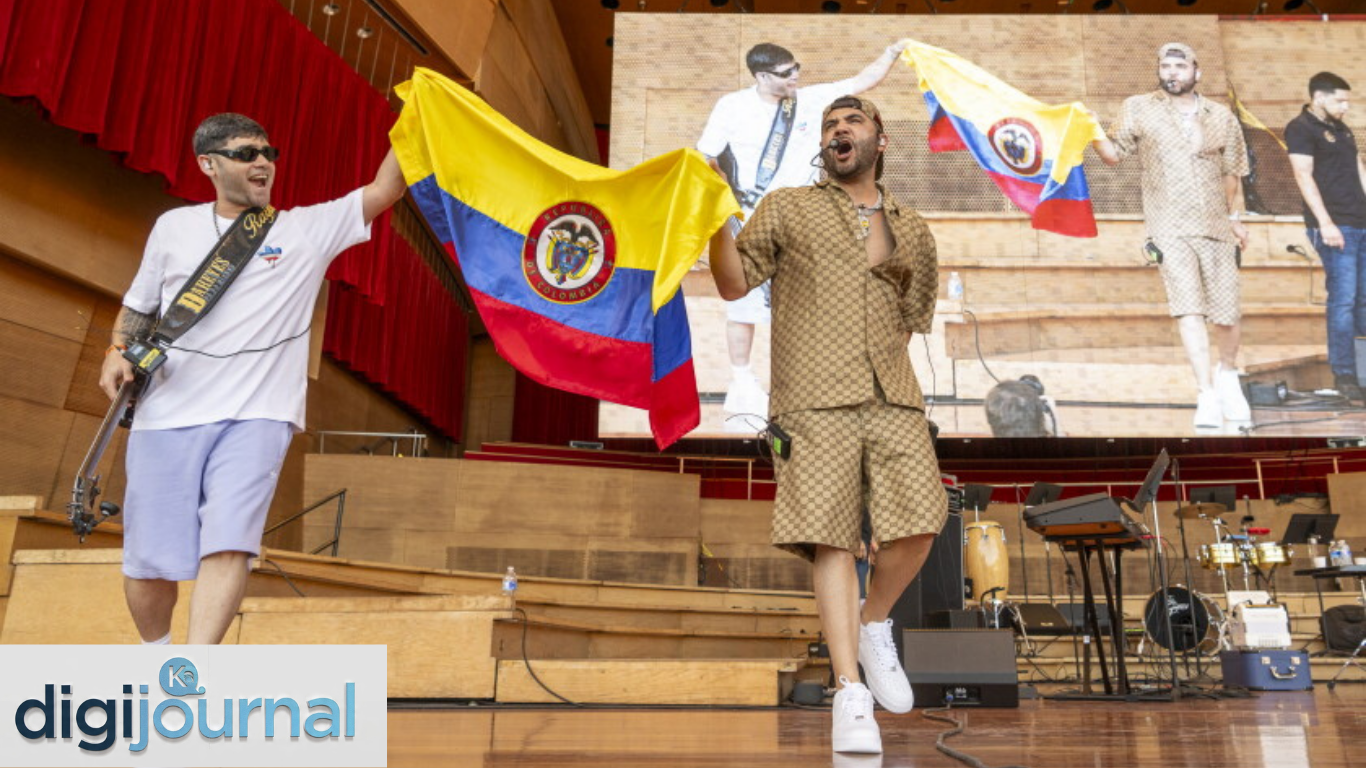
José Darey Castro isn’t just a name you hear on the radio — he’s a force of nature in the world of regional Mexican music. From the sun-baked landscapes of Navojoa, Sonora, to sold-out concert venues across the United States, Castro’s journey is one that inspires, surprises, and moves people to their core. Well, not every musician can say they’ve survived a near-fatal shooting, rebuilt their career from scratch, and then topped global Spotify charts — but that’s exactly the kind of story jose darey castro brings to the table. Let’s dive deep into the world of this remarkable artist, because honestly, his story deserves to be told in full.
Who Is José Darey Castro?
At his core, José Darey Castro is a Mexican singer, songwriter, and musician best known as the lead vocalist and accordionist of the norteño band Los Dareyes de la Sierra. Born and raised in the northwestern state of Sonora, Mexico, Castro grew up in a musical environment that would shape every note he ever played. Dareyes de la Sierra comes straight from Navojoa, Sonora — a region known for producing bold, grounded corridos singers from Mexico. Sonora isn’t just a location on a map. It’s a personality — dusty, resilient, and deeply proud of its roots.
José Darey Castro is one of those artists whose story goes way beyond the music. Born and raised in Mexico, he built a career in regional Mexican corridos that felt real because it was real. His voice carries the kind of weight that only comes from actually living through something.
That regional identity is structural, woven into the very bones of his music. And his massive U.S. fanbase — many of them Mexican-American — feels that connection immediately.
Early Life and Roots: Where It All Began
José Darey Castro was born on April 22, 1980, making him a Taurus. He’s been in the music industry for over two decades, and honestly, he just keeps getting better with time. Castro grew up surrounded by regional Mexican music culture, which shaped everything about how he sings and writes. His story is one of persistence, passion, and pure talent rooted in real-life experiences.
Raised in an environment where music was woven into everyday life — from family gatherings to local celebrations — Castro discovered his passion for instruments like the accordion, bajo sexto, and bajo early in life.
Growing up before the age of streaming or social media meant that Castro built his craft the old-fashioned way — through repetition, live performance, and a genuine love for the music of his people. His birth year places him in a generation that grew up before streaming, before social media, before any of the modern shortcuts that today’s artists rely on. Those influences never left him.
The Formation of Los Dareyes de la Sierra
Every great musical story has an origin moment, and for jose darey castro, that moment came in 1997. He initially began presenting his band under the stage names Los Llegadores de Sonora and Los Alteños de la Sierra before adopting its ultimate moniker. This wasn’t just a name change — it was a reinvention, a declaration of identity that would echo through two and a half decades of music.
Founded in 1997, Los Dareyes de la Sierra are an internationally popular Musica Mexicana group from Navojoa, Sonora, Mexico. Their sound melds traditional folk forms including corrido, banda, norteño, and even mariachi with modern production techniques and electronics.
The band’s core lineup included Castro alongside Miguel Enrique Razcón and Juan Vázquez. Together, they created something truly special — a sound that was familiar yet fresh, traditional yet modern. He and his bandmates embraced their culture by performing with traditional instruments such as the bajo sexto, bajo, and accordion. These weren’t just instruments; they were cultural symbols, each note a tribute to the heritage of Sonora and the broader Mexican musical tradition.
A Career That Nearly Ended: The 2004 Shooting
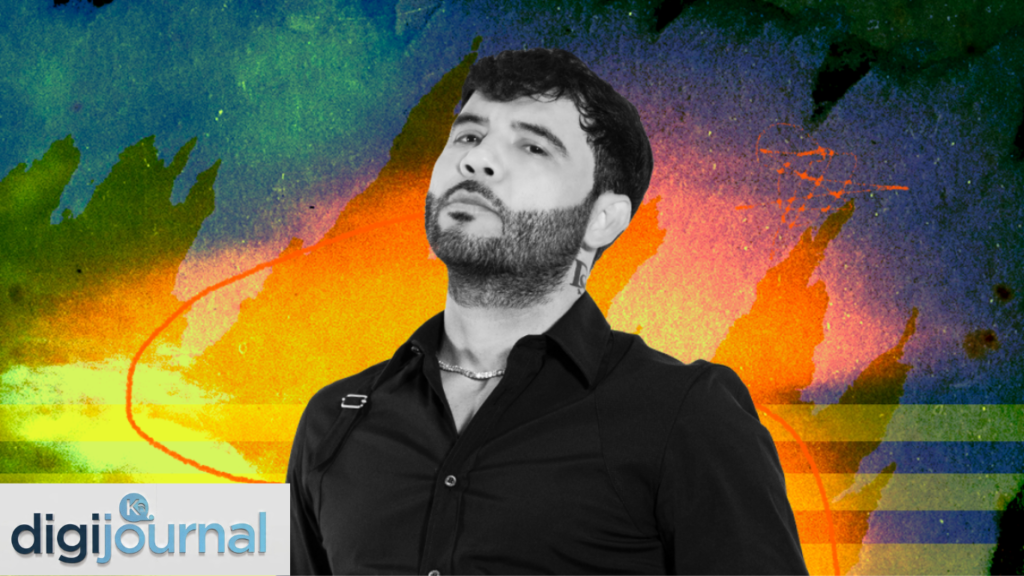
Hold on — before we get to the charts and the sold-out shows, there’s a chapter in jose darey castro‘s story that many people don’t know about, and it’s perhaps the most defining one. Jose Darey Castro’s debut on Billboard’s Top Latin Albums chart almost didn’t happen after his career took a deadly turn in 2004. After a party gig in Chihuahua, Mexico, his tour bus was stopped by gunmen looking for the singer. Until that day, his band had been building a career out of what had once been just a hobby: playing private parties, baptisms, weddings and quinceañeras, recording their performances and circulating their CDs. But it was in a ravine by the highway, into which he’d been marched along with his bandmates, where everything changed. “Suddenly they started shooting me in the arms, in the back, in the leg,” says Darey.
That’s not a metaphor. That’s real. And what followed is nothing short of extraordinary. Darey was inactive for a year-and-a-half after the shooting. After a while, “I said, my audience needs me, I have to play songs, I have to make music, sing and play the accordion.”
The courage it takes to get back on a stage after something like that is immeasurable. And yet, Castro did exactly that — he came back, rebuilt his band, and returned to the music. That resilience, that refusal to give up, is perhaps the most powerful thing about the man behind the music.
Musical Style and Influences: What Makes His Sound Unique?
So what exactly does jose darey castro sound like, and why does it resonate so deeply with fans? Well, the answer lies in his unique ability to blend the old with the new.
His music blends corridos, cumbia, and romantic ballads, helping the band build a strong fan base across Mexico and the United States. But it’s more than just a genre checklist — Castro brings emotional authenticity to everything he performs. His gritty vocals and revamped sound have elevated him as one of this year’s most popular singers of corridos tumbados.
Here’s a breakdown of the musical elements that define Castro’s signature style:
| Musical Element | Description |
| Genre Blend | Corridos, cumbias, norteño, romantic ballads, corridos tumbados |
| Primary Instrument | Accordion |
| Supporting Instruments | Bajo sexto, bajo (bass) |
| Vocal Style | Gritty, emotionally charged, narrative-driven |
| Lyrical Themes | Love, resilience, Mexican culture, street life, corrido storytelling |
| Production Style | Traditional folk meets modern electronic production |
| Collaborations | Peso Pluma, Alfredo Olivas, Gabito Ballesteros, Xavi, Tito Double P |
Castro has transformed traditional Mexican genres such as corridos, cumbias, and romantic ballads for new audiences worldwide. In doing so, he’s not just keeping a tradition alive — he’s evolving it.
Iconic Songs and Key Discography Milestones
It’s hard to talk about jose darey castro without talking about the songs that made him famous. These aren’t just tracks on a playlist — they’re anthems that millions of people have grown up with.
Their most popular songs include “Hasta el Día de Hoy”, “Vida Mafiosa”, “Sufre”, “Quisiera Ser Una Lagrima”, “El Jabalí”, “El Águila Real”, “El Novillo Despuntado”, “El Fin de Nuestro Amor”, “El Perdedor”, “Dueña de mi Vida”, and “El Valiente.”
Some of the most notable entries in the Los Dareyes de la Sierra discography include:
- Duelo de Shakas (2000) — An early fan favourite that established the band’s credibility
- El Águila Real (2005) — A cornerstone album featuring the iconic title track
- Con Banda (2008) — The album that landed them on Billboard’s Top Latin Albums chart
- Una Copa Más (2009) — Introduced a more polished production standard
- Será El Sereno (2022) — A strong return to form that resonated with loyal fans
- Redención (2025) — A landmark solo album that took the world by storm
Single “Hasta El Dia De Hoy,” a rant against an ex-lover, was No. 1 on Billboard’s regional Mexican airplay chart and No. 5 on Hot Latin Songs. That kind of chart success is the stuff that dreams are made of, and it proved that Castro’s music wasn’t just popular in Mexico — it was crossing borders in a big way.
During the 2020 pandemic they issued no less than 11 digital albums including El Molino. In 2021, Lo Más Romántico De placed inside Mexico’s Top Ten. Even during one of the most difficult periods in modern history, Castro and his band kept creating.
The 2025 Solo Album “Redención” — A Triumphant Comeback
If there’s one chapter of jose darey castro‘s career that’s truly set the world on fire lately, it’s the release of his solo debut album Redención in 2025. This wasn’t just an album — it was a statement.
In May, Darey released his latest album, “Redención.” A collection of 14 thunderous songs, the album has taken hold of corrido fanatics old and new for its brazen lyrics and turbulent rhythms, perfectly suited for a drop-top evening cruise. The LP debuted at No. 3 on Spotify’s Top Albums Debut Global chart.
Think about that for a second — a No. 3 debut globally on Spotify. That’s not a regional achievement. That’s a worldwide moment for regional Mexican music and for the man who has dedicated his entire life to it.
In 2025, the band issued Redención, a series of collaborations with artists they influenced including Peso Pluma, Tito Double P, Alfredo Olivas, and Gabito Ballesteros. The fact that younger, massively popular artists like Peso Pluma were eager to collaborate speaks volumes about Castro’s standing in the industry.
The album also spawned notable singles. “Frecuencia” is a song by Mexican singer Los Dareyes de la Sierra, released on June 5, 2025, from the deluxe edition of Redención. It was written by Darey Castro and Estevan Plazola and produced by Pablo Molina and Castro himself. Critics took notice too — Andrea Flores of the Los Angeles Times wrote of the song, “The upbeat jingle calls back to Ice Cube’s 1993 hit ‘It Was a Good Day.’ Although paranoid at times, Darey’s opening lines are almost hymn-like.”
The First U.S. Tour: Taking the Stage Stateside
The success of Redención opened a door that had long been in waiting. After expanding the track list with a deluxe album in June, the singer embarked on his first-ever U.S. tour. Darey and his band kicked off a 20-date run at the Belasco in Los Angeles.
People across the U.S. and Mexico have been searching his name more than ever lately. With the Redención album making waves and a Dareyes de la Sierra U.S. tour on the horizon, 2026 feels like his biggest year yet.
This U.S. tour is more than just a series of concerts. It’s a cultural bridge — connecting the Mexican-American community with the music of their homeland, and introducing a whole new generation of listeners to the power of corridos and norteño music. His U.S. fanbase — many of them Mexican-American — feels that connection immediately.
The shows have been met with overwhelming enthusiasm, selling out venues and reminding everyone that good music, no matter what language it’s in, always finds its audience.
Cultural Impact and Legacy in Mexican Music
It’d be selling jose darey castro short to talk only about his chart positions and concert ticket sales. His real legacy lies in what he represents for the culture. José Darey Castro is one of the most influential figures in contemporary regional Mexican music. Period.
He’s helped keep the accordion at the centre of Mexican musical identity at a time when electronic beats could have easily pushed it aside. He’s told stories — real, raw, unfiltered stories — through his corridos that resonate with working-class communities across North America. And he’s done it all with authenticity.
Key contributions to Mexican music culture include:
- Preserving traditional instrumentation — the accordion, bajo sexto, and bajo remain central to Los Dareyes de la Sierra’s identity
- Bridging generations — by collaborating with newer artists like Peso Pluma, Castro connects the old guard with the new
- Representing Sonora — his work keeps the spotlight on Navojoa and the broader Sonoran musical tradition
- Inspiring resilience — his comeback story after 2004 has become a source of inspiration for fans and fellow musicians alike
- Expanding corrido audiences — his music has introduced the genre to international listeners who had never explored Mexican music before
“There are intelligent ways to work, and you’ve got to learn them,” says Darey. That wisdom, earned through decades of hard work and genuine hardship, is exactly what makes him a mentor figure as much as a musician.
José Darey Castro’s Net Worth and Personal Life
When it comes to his personal life, Castro keeps things fairly close to the chest. In terms of his marriage, José seems to be a bachelor. There are no records of his marriage. He keeps his relationships and love life private. For a man who pours such emotional depth into his music, it’s perhaps fitting that he guards his personal world carefully.
As of 2026, José has a net worth of USD 3 million. He has accumulated his wealth through his music career. That financial success reflects not just album sales, but decades of touring, songwriting, and building one of the most recognizable brands in regional Mexican music.
His energy on stage doesn’t match someone in their mid-40s. Fans who’ve seen him live say he performs like he still has something to prove. And maybe that’s the secret sauce — Castro never rests on his laurels. He keeps pushing, keeps creating, and keeps giving his audience something to look forward to.
Conclusion
When all is said and done, jose darey castro is more than a musician — he’s a symbol of what it means to love your craft so deeply that nothing, not even a hail of bullets in a Chihuahua ravine, can take it away from you. From humble beginnings in Navojoa, Sonora, to a No. 3 debut on Spotify’s global chart, his journey is a testament to resilience, authenticity, and the timeless power of music.
He’s proved that regional Mexican music doesn’t have to stay regional. It can go global. It can fill stadiums in Los Angeles, win over critics at the Los Angeles Times, and inspire a new generation of corrido artists who look to jose darey castro as a blueprint for how to do things right.
Whether you’re a long-time fan who grew up listening to “Hasta el Día de Hoy” or someone who just discovered Redención on Spotify, one thing is clear — this is an artist at the top of his game, with plenty more story left to tell. And honestly? We can’t wait to hear it.
FAQs
Who is José Darey Castro?
José Darey Castro is a Mexican singer, songwriter, and accordionist best known as the lead vocalist of Los Dareyes de la Sierra, a norteño band from Navojoa, Sonora, Mexico. He has been active in the regional Mexican music scene for over two decades.
When was José Darey Castro born?
José Darey Castro was born on April 22, 1980, in Navojoa, Sonora, Mexico, making him 46 years old as of 2026.
What is José Darey Castro’s most famous song?
One of his most celebrated songs is “Hasta el Día de Hoy,” which reached No. 1 on Billboard’s Regional Mexican Airplay chart and No. 5 on Hot Latin Songs.
What is the album “Redención” about?
Redención is José Darey Castro’s 2025 solo album featuring 14 tracks that blend corridos tumbados with his signature norteño style. The album debuted at No. 3 on Spotify’s Top Albums Debut Global chart and includes collaborations with artists such as Peso Pluma and Alfredo Olivas.
Has José Darey Castro ever toured the United States?
Yes! In 2025, following the massive success of Redención, José Darey Castro launched his very first U.S. tour, kicking off a 20-date run at the Belasco in Los Angeles. The tour marked a significant milestone in his career and introduced him to a broader American audience.
