
Claire Freemantle is a name that has become deeply embedded in one of the most heart-breaking and legally complex road traffic cases in recent British history. In July 2023, a Land Rover Defender crashed through the railings of a primary school in Wimbledon, London, during a joyful end-of-term tea party — killing two eight-year-old girls, Nuria Sajjad and Selena Lau, and seriously injuring several others. The driver of that vehicle was Claire Freemantle. Nearly three years later, in May 2026, she was formally charged with two counts of causing death by dangerous driving and seven counts of causing serious injury by dangerous driving. The case has since sparked fierce public debate about justice, policing standards, medical defences, and the rights of victims’ families to seek the truth.
This article takes a close, thorough look at who Claire Freemantle is, the events of that devastating day, the long and winding road to prosecution, the controversy surrounding the Metropolitan Police’s initial investigation, and what the case means for the broader conversation around road safety and accountability in the United Kingdom.
The Day That Changed Everything: The Wimbledon School Crash of July 2023
It was supposed to be a day of celebration. On 6 July 2023, students, parents, and teachers at The Study Preparatory School in Camp Road, Wimbledon, gathered in the school grounds to mark the end of the summer term. Children were laughing, families were mingling, and the atmosphere — by all accounts — was warm, joyful, and full of anticipation for the summer holidays ahead.
Then, in an instant, everything changed.
A Land Rover Defender, driven by Claire Freemantle, breached the school’s perimeter railings and ploughed into the gathered crowd. The impact was catastrophic. Sixteen people required treatment at the scene, and ten were taken to hospital. Among the gravely injured were two eight-year-old pupils — Nuria Sajjad and Selena Lau. Selena Lau died at the scene. Three days later, on 9 July 2023, Nuria Sajjad also passed away from her injuries. Her mother had also been hospitalised due to the severity of what she had witnessed and suffered.
The community was utterly devastated. Nuria’s family described her as the “light of our lives,” saying she embodied joy, kindness, and generosity. Selena’s family called her an “intelligent and cheeky girl, adored and loved by everyone.” Merton Council offered counselling to all affected families, students, and staff. But for many, no amount of support could ease the weight of grief — or silence the urgent question that hung in the air: How did this happen?
Who Is Claire Freemantle?
Claire Freemantle, born on 17 November 1976, is a 49-year-old resident of Edge Hill, Wimbledon, SW19. At the time of the crash, she was described as a mother of school-aged children herself — a detail that added another layer of public emotion to an already devastating incident. She lived, in fact, in the same Wimbledon community as the school.
Freemantle was arrested at the scene on suspicion of causing death by dangerous driving and taken into custody. She was later bailed. In a statement she issued in 2024, she expressed her “deepest sorrow,” saying: “Since I became aware of the terrible event that took place on 6 July, the devastating consequences for all those affected have not left my thoughts and will be with me for the rest of my life.”
Crucially, she noted that this was “not a pre-existing condition,” meaning she had no prior history of epilepsy. As a result, she said, she had “no recollection of what took place.”
Her legal team, led by Mark Jones, criminal defence partner at Payne Hicks Beach LLP, has consistently maintained that Claire Freemantle could not have predicted or prevented what happened, and that she had no awareness of the events due to her loss of consciousness.
The Initial Investigation and the Controversial “No Further Action” Decision
The initial investigation into the crash was carried out by the Metropolitan Police’s Roads and Transport Policing Command (RTPC). After months of inquiry, the Crown Prosecution Service (CPS) issued a direction in June 2024 — nearly a full year after the crash — that Claire Freemantle should face no further action. The rationale was based on the medical assessment that she had suffered a first-time epileptic seizure before the crash, making it legally difficult to establish the required criminal intent or foreseeability for a charge of dangerous driving.
For many observers, this decision was legally sound on its face. The “automatism” or medical emergency defence is a recognised legal principle in English law: if a driver loses consciousness due to a sudden, unforeseeable medical event, it may not be possible to prove the elements of dangerous driving beyond reasonable doubt.
Families Refuse to Give Up: The Push for Reinvestigation
The families, represented by Trevor Sterling, Senior Partner at Moore Barlow LLP, pushed back hard against the CPS’s June 2024 decision. They argued it had not been made on the “full facts” of the case. Their persistence was not simply emotional — it was strategic and legally grounded. Here is a summary of the key developments that followed:
| Date | Development |
| 6 July 2023 | Crash at The Study Prep School, Wimbledon. Two children killed. |
| July 2023 | Claire Freemantle arrested, bailed; initial police investigation begins. |
| June 2024 | CPS directs no further action; families reject the decision. |
| July 2024 | Families raise concerns; Met agrees to a Specialist Crime Review Group (SCRG) review. |
| October 2024 | Reinvestigation formally launched by the Met’s Specialist Crime Command. |
| January 2025 | Claire Freemantle rearrested and released on bail pending further enquiries. |
| July 2025 | Met receives formal complaint from families; referral made to IOPC. |
| April 2026 | IOPC announces it is investigating 11 Metropolitan Police officers. |
| 1 May 2026 | Claire Freemantle formally charged with nine offences. |
| 16 June 2026 | Scheduled appearance at Westminster Magistrates’ Court. |
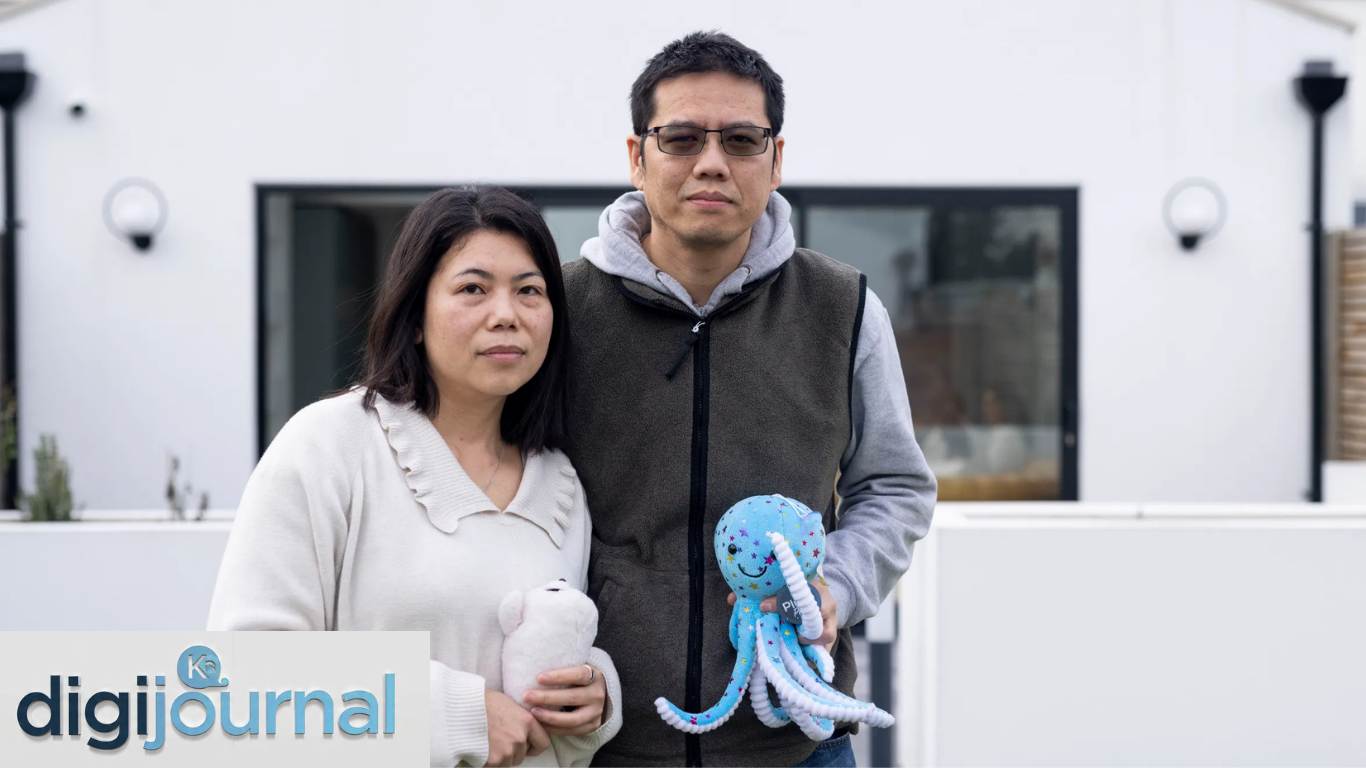
The families’ joint statement on hearing of the charges was deeply moving. For almost three years, we have endured unimaginable pain alongside all those affected.
The Charges Against Claire Freemantle
- Two counts of causing death by dangerous driving — relating to the deaths of Nuria Sajjad and Selena Lau.
- Seven counts of causing serious injury by dangerous driving — relating to the other victims injured in the crash.
That’s nine offences in total. He stated that prosecutors had worked to establish that there was now “sufficient evidence to bring this case to court” and that it was “in the public interest to pursue criminal proceedings.”
Claire Freemantle is due to appear at Westminster Magistrates’ Court on 16 June 2026. Her legal team has confirmed she will plead not guilty to all charges. Her defence partner, Mark Jones, said she remains “utterly devastated by the appalling consequences” for all those affected, and that she would be “tortured for the rest of her life” by the tragedy.
The Metropolitan Police Misconduct Probe: A System Under Scrutiny
Alongside the criminal proceedings against Claire Freemantle, an equally significant — and arguably just as important — parallel investigation is underway. The Independent Office for Police Conduct (IOPC) has launched a full investigation into the Metropolitan Police’s handling of the original case. And the findings so far are, well, alarming.
The IOPC is currently investigating eleven Metropolitan Police officers in connection with the initial probe. This includes:
- A former detective constable also under gross misconduct investigation.
- Additional officers under review for broader conduct and management failures.
The Metropolitan Police has since apologised for its early handling of the case and pledged to “fundamentally reset” how it investigates fatal and serious road collisions. Commander Charmain Brenyah, who leads the Met’s Roads and Transport Policing Command, said: “We understand this prolonged process has compounded their grief and suffering.
The Defence’s Position: Medical Emergency or Criminal Liability?
One of the most legally fascinating and genuinely complex aspects of the Claire Freemantle case is the tension between the medical defence and the criminal charges.
Epilepsy is, as any neurologist will tell you, notoriously difficult to diagnose definitively — particularly after a single seizure — without brain scans taken shortly after the event and a thorough review of medical history. The defence team has consistently maintained that:
- Claire Freemantle suffered a first-time epileptic seizure at the wheel, a sudden, unforeseen medical event.
- She had absolutely no prior history of epilepsy, meaning she had no reason to believe she posed any risk to others when she got behind the wheel.
- An independent medical expert instructed by police diagnosed the epileptic seizure.
What the reinvestigation appears to have uncovered is not necessarily new medical evidence — but potentially other evidence, whether from witnesses, dashcam footage, or other forensic sources, that may paint a more complex picture of the events leading up to the crash.
Community Response and the Memorial for Nuria and Selena
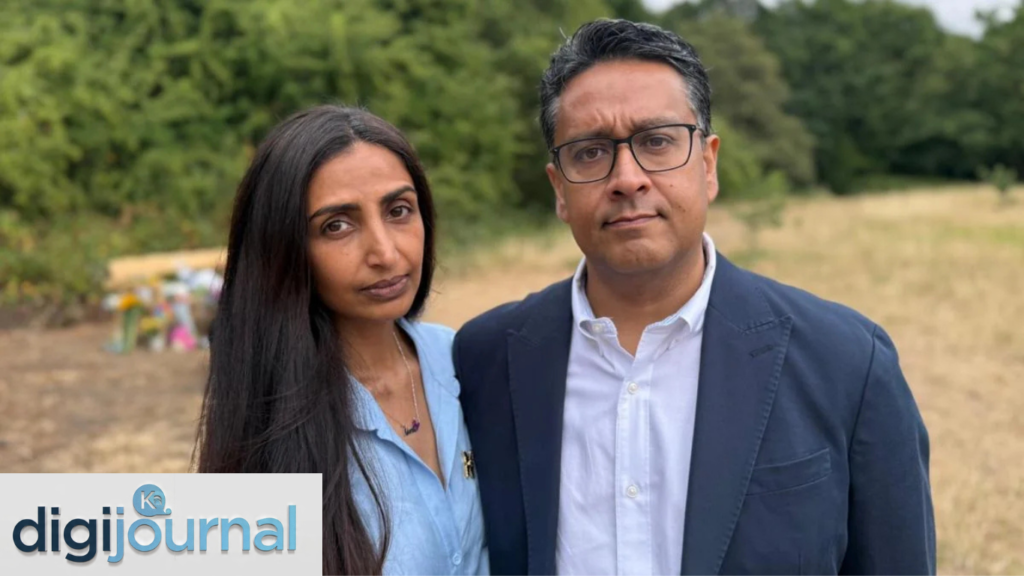
On Sunday, 6 July 2025 — exactly two years after the crash — hundreds of people gathered near The Study Prep School to mark the anniversary. The gathering included the children’s families, school staff, alumni, neighbours, and members of the wider Wimbledon community. Two benches were unveiled, draped with flowers and heartfelt messages. A poignant two-minute silence followed.
The families spoke movingly about their continued fight for answers. Selena’s father, Franky Lau, said the family was still “waiting for a version of events that adds up.”
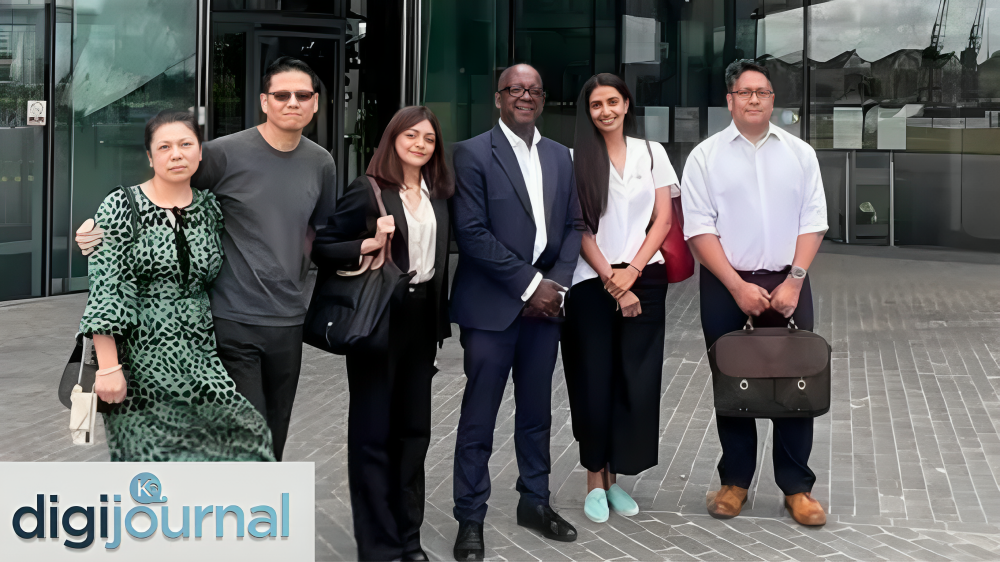
Trevor Sterling, the families’ solicitor, used the occasion to highlight ongoing delays and reiterate calls for a thorough and timely investigation. The message was clear: the community would not forget, and it would not stop asking questions.
What This Case Tells Us About Road Safety and Accountability in the UK
The Claire Freemantle case raises important questions that go far beyond a single tragic incident.
Key lessons and considerations include:
- Medical fitness to drive: The case highlights the need for clearer protocols around medical emergencies at the wheel, particularly in cases involving first-time seizures. When is it appropriate to issue a driving licence, and what responsibility do healthcare providers have in reporting conditions to the DVLA?
- Victim families’ rights: The tenacity of Nuria’s and Selena’s families has been extraordinary. Their determination to challenge the original no-action decision ultimately led to a reinvestigation and charges. This speaks to the need for clear, accessible mechanisms for families to contest prosecutorial decisions.
- The complexity of criminal intent: Dangerous driving charges require proof of a standard of driving that falls far below what a competent driver would deem acceptable.
Looking Ahead: What Happens Next?
As of May 2026, the Claire Freemantle case is moving forward through the courts.
Meanwhile, the IOPC investigation into Metropolitan Police officers continues. The watchdog has said that at the conclusion of its investigation, it will determine whether any officers have a disciplinary case to answer. Four officers face potential gross misconduct findings, which can result in dismissal.
Conclusion
The story of Claire Freemantle is, at its core, a story about tragedy, persistence, and the relentless pursuit of truth. From the devastating crash at The Study Prep School in Wimbledon on 6 July 2023, through a deeply controversial initial investigation, a brave family-led campaign for reinvestigation, and finally to formal charges in May 2026 — the case has gripped the nation and shone a spotlight on some uncomfortable truths about how the justice system handles complex road traffic cases.
Nuria Sajjad and Selena Lau deserved better. And in their names, their families have fought — and continue to fight — for exactly that. The truth, and nothing less.
FAQs
What happened at the Wimbledon school crash?
On 6 July 2023, during an end-of-term tea party at The Study Preparatory School in Camp Road, Wimbledon, a Land Rover Defender driven by Claire Freemantle breached the school’s perimeter railings and struck a crowd of students and parents. Two eight-year-old students, Selena Lau and Nuria Sajjad, died as a result of the crash.
What led to the reinvestigation?
The families of Nuria Sajjad and Selena Lau rejected the CPS’s no-action decision and raised formal concerns about the thoroughness of the initial investigation. This prompted the Metropolitan Police’s Specialist Crime Review Group to conduct a review, which identified further lines of enquiry.
What is the IOPC investigating regarding the Wimbledon crash?
The Independent Office for Police Conduct (IOPC) is investigating eleven Metropolitan Police officers in connection with their handling of the original investigation. Four serving officers, including a commander and a detective chief inspector, face possible gross misconduct findings.
