
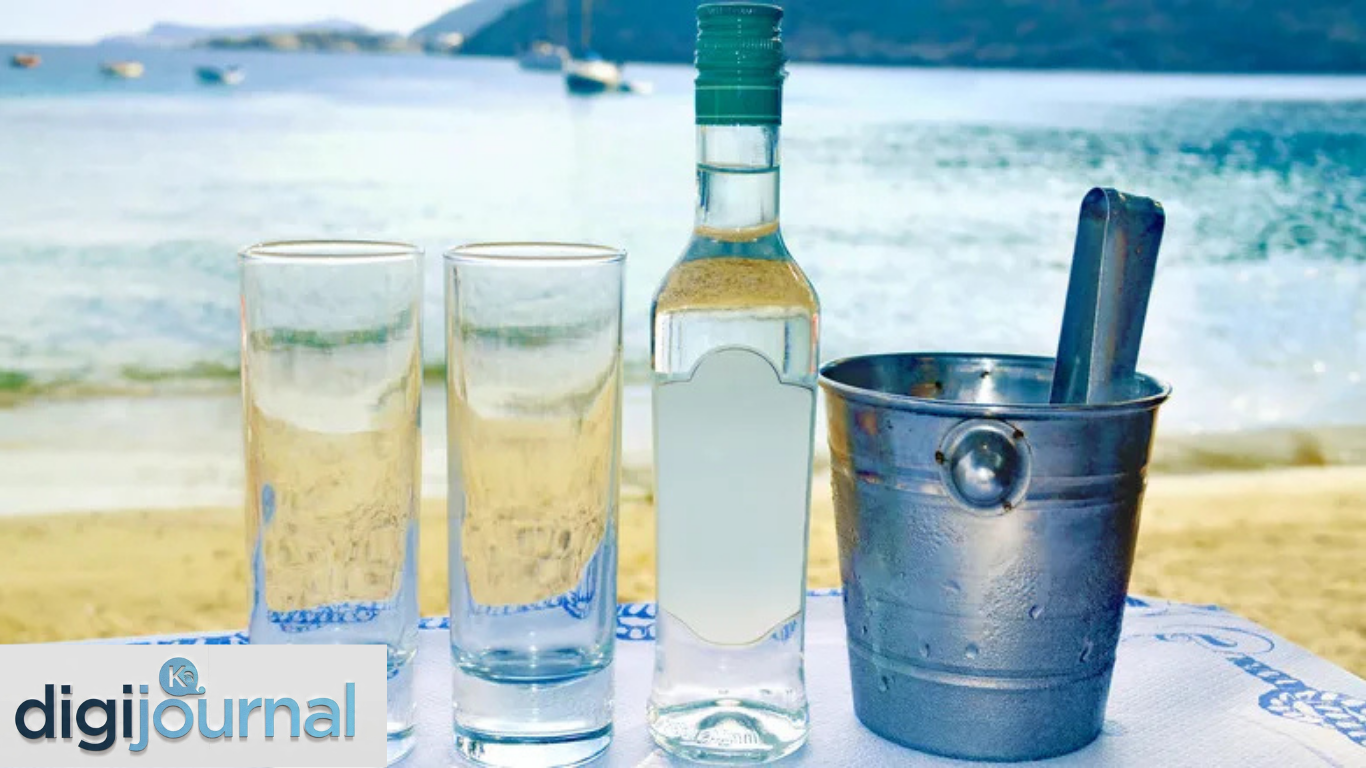
If you’ve ever sipped something that tasted like the Mediterranean coast itself, chances are you were holding a glass of ouzo drink. Fragrant, bold, and deeply rooted in Greek culture, ouzo is far more than just an alcoholic beverage — it’s a lifestyle, a tradition, and, quite honestly, one of the most fascinating spirits in the world. Whether you’re a seasoned spirits enthusiast or simply curious about what makes this milky-white drink so irresistible, you’re in for a treat.
Ouzo has been gracing Greek tables for centuries, and its charm hasn’t faded one bit. It’s the kind of drink you savour slowly, preferably beside the sea, with a plate of grilled octopus and great company. That said, you don’t have to be in Santorini to enjoy it. With the right knowledge, you can bring the spirit of Greece to your own table, wherever you are in the world.
This article dives deep into everything you need to know about the ouzo drink — its history, how it’s made, what it tastes like, how to drink it properly, and why it has earned a permanent spot in the hearts of millions. Let’s raise a glass and get started!

The Rich History of Ouzo Drink
The story of ouzo is as layered and complex as the spirit itself. Its roots can be traced back to ancient Greece, where anise-flavoured preparations were commonly used for both medicinal and ceremonial purposes. However, the ouzo drink as we know it today began to take shape during the Byzantine era, when monks on Mount Athos — a famous peninsula in northern Greece — began distilling a spirit called tsipouro, a grape-based pomace distillate flavoured with anise.
Over the centuries, Greek distillers refined the process, and by the 19th century, ouzo had carved out its own distinct identity, separate from tsipouro. The city of Lesvos, and particularly the town of Plomari, became one of the most celebrated centres of ouzo production — a reputation it proudly holds to this day.
Here are a few key historical milestones worth knowing:
- 1856 — The first ouzo distillery in Lesvos was reportedly established, marking the beginning of commercial production.
- 1932 — The Greek government officially regulated the production of ouzo, distinguishing it from other anise spirits.
- 2006 — The European Union granted ouzo a Protected Designation of Origin (PDO) status, meaning that only spirits produced in Greece (and specifically in certain regions) can legally be called “ouzo.”
That last point is a big deal. It means ouzo isn’t just a flavour or a recipe — it’s a geographical and cultural identity, protected by law. Much like Champagne can only come from France’s Champagne region, true ouzo drink can only come from Greece. Now that’s something to toast to!
What Exactly Is Ouzo? Understanding the Basics
At its core, ouzo is an anise-flavoured spirit produced in Greece. But calling it just that would be like calling the Acropolis “a pile of old stones” — technically not wrong, but deeply missing the point.
Legally and technically, ouzo must meet the following criteria:
- It must be produced exclusively in Greece or Cyprus.
- It must be distilled from a base of agricultural ethanol, typically derived from grapes.
- It must contain at least 37.5% alcohol by volume (ABV), though most quality ouzo ranges between 40% and 46% ABV.
- It must be flavoured with anise (Pimpinella anisum), and may also include other herbs and spices such as fennel, coriander, cloves, cardamom, and cinnamon.
The combination of these botanicals gives ouzo its signature flavour profile — intensely aromatic, slightly sweet, with a warming finish that lingers pleasantly. It’s truly one of a kind.
How Ouzo Drink Is Made: The Distillation Process
The magic behind the ouzo drink lies in a careful, time-honoured production process that blends tradition with craft. While different distilleries have their own closely guarded recipes, the general process follows a well-established framework.
Step-by-step production:
- Base spirit preparation — High-quality agricultural ethanol, often derived from grape pomace (the skins, seeds, and stems left after winemaking), is the starting point.
- Maceration — The ethanol is combined with anise seeds and other botanicals and left to steep, allowing the flavours to infuse fully.
- Distillation — The mixture is placed in traditional copper pot stills called ambikes and heated slowly. The distillate captures the aromatic compounds from the botanicals beautifully.
- Blending — The distillate is blended with additional high-quality ethanol and water to reach the desired ABV.
- Bottling — The final product is filtered and bottled, often without artificial colouring or additives.
One of the most fascinating aspects of high-quality ouzo production is that many distilleries insist on using copper pot stills and cold-water condensers, a method that preserves more of the nuanced botanical aromas compared to industrial continuous distillation. It’s craftsmanship at its finest!
The Louche Effect: That Mysterious Milky Transformation
Here’s something that never gets old — pour water or ice into a glass of ouzo, and watch what happens. Like a magic trick, the clear liquid transforms into a beautiful, milky-white emulsion before your very eyes. This phenomenon is known as the louche effect (pronounced “loosh”), and it’s one of the most iconic visual signatures of the ouzo drink.
But what causes it? Well, the essential oils in anise — primarily anethole — are soluble in alcohol but not in water. When water is added and dilutes the alcohol content, those oils are suddenly no longer soluble and they precipitate out of solution, forming tiny droplets that scatter light and create that gorgeous cloudy appearance.
The louche effect isn’t just theatrical, either. It actually signals quality. A well-crafted ouzo with generous amounts of natural anise oil will louche more impressively than a poorly made one. So next time you’re choosing a bottle, don’t be afraid to test it — a rich, creamy louche is a very good sign.
How to Drink Ouzo Like a True Greek
Here’s the thing — there’s a right way and a wrong way to enjoy ouzo, and the Greeks will tell you so with great enthusiasm. The ouzo drink is meant to be savoured, not rushed, and certainly not gulped down like a shot. It’s a social beverage, a slow-sipping spirit designed to stretch across hours of conversation, laughter, and good food.
The traditional way to enjoy ouzo:
- Serve it chilled or over ice — Ouzo is best served cold. Most Greeks either keep their bottles in the freezer or pour ouzo over a few ice cubes. Adding a splash of cold water is also very common and encouraged.
- Use a tall, narrow glass — Traditionally, ouzo is served in a long, slender glass that concentrates the aromas beautifully. These glasses are specifically designed for the drink.
- Pair it with mezedes — You’ll almost never see a Greek drinking ouzo without food nearby. Small dishes called mezedes (or meze) are the classic accompaniment. Think grilled octopus, fried calamari, olives, feta cheese, stuffed grape leaves, and fresh bread.
- Drink it slowly — Ouzo is not a spirit for impatience. Sip it gently, letting each mouthful warm your palate and release those incredible aromas.
- Never drink it on an empty stomach — This is practically a Greek commandment. The food isn’t just part of the experience; it’s a practical safeguard against the effects of the alcohol.
One lovely cultural note: in Greece, going out for ouzo — called ouzeris or an ouzerie session — is as much about the social ritual as the drink itself. It’s a designated time to slow down, connect, and truly enjoy the moment. A little “opa!” never goes astray, either.
Popular Ouzo Brands Worth Knowing
Not all ouzo drinks are created equal, and the market is full of options ranging from supermarket staples to artisanal masterpieces. Here’s a handy comparison table of some of the most respected ouzo brands available today:
| Brand | Origin | ABV | Flavour Notes | Best For |
| Ouzo 12 | Thessaloniki, Greece | 40% | Sweet, mild anise, smooth | Beginners, casual sipping |
| Barbayanni | Lesvos, Greece | 42% | Rich anise, fennel, complex | Connoisseurs, food pairing |
| Plomari (Isidoros Arvanitis) | Lesvos, Greece | 40% | Floral, herbal, refined | Cocktails, gifting |
| Mini (Mytilene) | Lesvos, Greece | 40% | Strong anise, warming | Traditional Greek dining |
| Pernod Pastis (French cousin) | France | 45% | Anise, liquorice | Comparison/reference |
| Sans Rival | Athens, Greece | 38% | Light, citrusy, approachable | Summer drinking, beginners |
Lesvos brands — particularly those from the Plomari area — are widely regarded as the gold standard, thanks to the region’s centuries-old distilling traditions and the unique botanical character of the local anise. If you get the chance to try an aged or single-distillery Lesvos ouzo, don’t pass it up!
Ouzo Drink in Greek Culture and Society
It’s genuinely hard to overstate how deeply woven the ouzo drink is into the fabric of Greek daily life.
Walk into any traditional ouzerie in Athens, Thessaloniki, or any coastal village, and you’ll find tables full of people sharing ouzo and mezedes for hours on end. It’s a ritual of togetherness, a pause button on the busyness of life. Older Greeks especially associate ouzo with the concept of kefi — a Greek word that loosely translates to “joy,” “high spirits,” or the intangible feeling of being fully alive and present with others.
Ouzo also plays a symbolic role in many Greek celebrations and rites of passage:
- Wedding celebrations often feature ouzo prominently, especially in villages and island communities.
- Religious name-day celebrations (which in Greece are even more important than birthdays) frequently involve a round of ouzo among friends.
- Fishing communities have a long tradition of sipping ouzo at the end of a long day’s work, especially in harbour-side cafes.
- Family Sunday lunches often begin with a small glass of ouzo alongside the mezedes before the main meal.
That tells you something important about ouzo’s role: it’s about leisure, not excess.
Health Considerations and Responsible Enjoyment of Ouzo
Like all alcoholic beverages, the ouzo drink comes with health considerations that deserve honest attention. While moderate consumption is part of many healthy Mediterranean lifestyles, it’s always wise to be informed.
What the research suggests about moderate consumption:
- The Mediterranean Diet, which is associated with numerous health benefits, includes moderate alcohol consumption — typically wine, but ouzo also features in certain cultural interpretations.
- Anise, the primary botanical in ouzo, has been used in traditional medicine for centuries as a digestive aid. Some studies suggest that anethole (anise’s main compound) may have mild anti-inflammatory and antimicrobial properties.
Responsible drinking guidelines:
- Always eat food when drinking ouzo — it’s a cultural tradition for good reason.
- Stay well hydrated; alternate between ouzo and water.
- Avoid driving after consuming any alcoholic beverages.
- Those who are pregnant, on medication, or managing health conditions should consult a healthcare professional before consuming alcohol.
The Greeks have been doing this for centuries with admirable restraint and social grace. Their model of slow, food-accompanied, socially-embedded drinking is genuinely one of the healthier approaches to alcohol consumption one could adopt. It’s the spirit of moderation — quite literally.

Ouzo Cocktails: Mixing the Classic with the Creative
While purists might raise an eyebrow, the truth is that the ouzo drink has found a joyful second life in the world of cocktails. Its intense anise flavour makes it a surprisingly versatile mixer, adding depth, aroma, and a distinctive Mediterranean character to a wide range of drinks.
Popular ouzo cocktails worth trying:
- Ouzo Sour — Ouzo shaken with fresh lemon juice, simple syrup, and egg white. Refreshing, frothy, and deeply aromatic.
- Ouzo Mule — Ouzo mixed with ginger beer and a squeeze of lime over ice. The spice of ginger and the sweetness of anise play off each other brilliantly.
- Greek Sunset — Ouzo combined with orange juice and a splash of grenadine. Colourful, sweet, and perfect for summer evenings.
- Ouzo Negroni — A bold twist on the classic Negroni, replacing gin with ouzo for an anise-forward, bittersweet cocktail experience.
- Ouzo Mojito — Ouzo, fresh mint, lime juice, sugar, and soda water. A Mediterranean take on the Cuban classic.
These cocktails are becoming increasingly popular in bars around the world, and it’s genuinely exciting to see ouzo stepping out of its traditional context and finding new fans in the global cocktail community. Innovation and tradition can absolutely coexist — and in the case of ouzo, they do so deliciously.
Buying, Storing, and Serving Ouzo at Home
Bringing the ouzo drink experience into your home is easier than you might think. Here’s everything you need to know to do it right:
Buying tips:
- Look for ouzo produced in Lesvos for premium quality.
- Check that the label specifies “produced and bottled in Greece.”
- An ABV of 40–46% is generally a good quality indicator.
- Avoid bottles with artificial additives or colouring.
Storage guidelines:
- Store ouzo upright in a cool, dark place — a cupboard or pantry works perfectly.
- Unlike wine, ouzo does not improve significantly with age once bottled.
- Many Greeks keep their ouzo in the freezer — the high alcohol content prevents it from freezing and chilling enhances the drinking experience.
Serving suggestions:
- Use chilled, tall glasses.
- Serve 30–50ml per pour.
- Accompany with ice and a small pitcher of cold water on the side.
- Have a selection of simple mezedes ready — olives, cheese, and bread are a great start.
With these basics in place, you’ll be hosting a proper Greek-style ouzo session in no time. Your guests will think you’ve just returned from the Aegean!
Conclusion
There’s something genuinely special about the ouzo drink that goes beyond taste, beyond tradition, and beyond geography. It’s a spirit that invites you to slow down, connect with others, and savour life’s simpler pleasures. From its ancient roots on the monasteries of Mount Athos to the bustling harbour-side ouzeries of modern Greece, ouzo has remained a consistent symbol of warmth, hospitality, and joy.
Whether you’re sipping it straight from a frosted glass on a summer afternoon, mixing it into a creative cocktail, or pairing it with a beautiful spread of mezedes, the ouzo drink rewards patience and appreciation in equal measure. It’s not in a hurry, and neither should you be when enjoying it.
As you explore the world of ouzo — discovering its botanicals, its regions, its brands, and its cultural depth — you’re not just learning about a drink. You’re learning about a people, a place, and a philosophy of life that the modern world could honestly use a little more of. So go ahead, pour yourself a glass, add a little water, watch that beautiful louche unfold, and raise your glass to the magnificent world of the ouzo drink.
FAQs
What does ouzo drink taste like?
Ouzo has a strong, distinctive anise flavour — similar to liquorice, but with herbal complexity from botanicals like fennel, coriander, and cloves. It’s slightly sweet, warming, and deeply aromatic. When diluted with water, the flavour softens and becomes smoother and more nuanced.
Can you drink ouzo straight without water?
Yes, you can drink ouzo straight, and some people prefer it that way. However, the traditional Greek method involves adding cold water or ice, which dilutes the alcohol slightly, triggers the beautiful louche effect, and actually opens up the botanical aromas. Most experts and enthusiasts recommend adding water for the best experience.
Is ouzo drink the same as absinthe?
No, they’re not the same. Ouzo is exclusively Greek, does not contain wormwood, and has its own distinct production process and PDO status. They share a family resemblance, but they’re very different spirits.
How strong is the ouzo drink?
Most ouzo ranges between 37.5% and 46% ABV (alcohol by volume), making it comparable in strength to gin or whisky. Some premium artisan versions can be slightly stronger. Always drink responsibly and accompany your ouzo with food, as the Greeks wisely recommend.
Where can I buy authentic ouzo drink?
Authentic Greek ouzo is available in specialist liquor stores, online retailers, and many large supermarkets worldwide. Look for recognised brands such as Barbayanni, Plomari, or Ouzo 12.
