
Sally Thomsett is one of Britain’s most treasured actresses, a woman whose warmth, wit, and natural talent made her an enduring fixture in the hearts of millions. Well, if you grew up watching British telly in the 1970s, chances are you know exactly who she is — even if her name doesn’t ring an immediate bell, her face certainly will. From the windswept moors of The Railway Children to the laugh-a-minute flat-sharing comedy of Man About the House, Sally carved out a career that’s nothing short of remarkable. Let’s take a detailed, enthusiastic, and thoroughly enjoyable deep-dive into the life and legacy of this extraordinary woman.
Sally Thomsett: Early Life and Childhood Roots
Sally Thomsett was born on 3 April 1950 in Plumpton, United Kingdom, and raised by her parents, Maurice and Dorothy Thomsett. She grew up with three older brothers. Life in post-war Britain was full of change and quiet ambition, and young Sally seemed to absorb all of it. She attended Elm Grove Infants and Juniors School in nearby Brighton.
It wasn’t long before her natural flair for performance became impossible to ignore. She trained at the Phildene Stage School in London, which set the stage for her career in acting. Now, that’s the kind of early foundation that doesn’t just happen by accident — it takes dedication, parental support, and a genuine passion for the craft.
Thomsett began her acting career in the mid-1960s after being discovered by chance and auditioning for a role in the summer show The Max Bygraves Show. What a start! Being spotted almost by chance and landing a prestigious television spot is the sort of thing that reads like fiction — but for Sally, it was the beginning of something truly special.
The Early Career: Stepping Onto the Stage and Screen
Sally didn’t waste a single moment once the door to the entertainment industry swung open for her. She appeared in several films for the Children’s Film Foundation and took on the part of young Agnes Wickfield in a 1966 BBC adaptation of David Copperfield.
After several theatre roles, Thomsett appeared in Dead End Creek in 1965, starring in all 6 episodes. From there she appeared in popular series Dixon of Dock Green, Z-Cars and Softly Softly Task Force.
These early roles weren’t just stepping stones — they were genuine learning grounds. Playing complex characters in gritty police procedurals and classic BBC dramas sharpened Sally’s instincts and gave her the kind of versatility that would serve her brilliantly in the years to come. Her early performances showed:
- Emotional range — moving between comedy and drama with natural ease
- Screen presence — an ability to hold the camera’s attention even as a young performer
- Professional discipline — something her later contracts would demand in extraordinary ways
- Authentic delivery — a hallmark of every character she touched
Early in her career, she appeared in the 1960s films Seventy Deadly Pills and Danny the Dragon. These Children’s Film Foundation productions were a beloved part of British childhood, and Sally’s involvement cemented her as a relatable, accessible young actress with genuine star quality.
The Railway Children: The Role That Changed Everything
Of all the roles in Sally’s career, it’s her performance as Phyllis Waterbury in the 1970 classic The Railway Children that remains the most iconic. And honestly? It’s not hard to see why. The film is a masterpiece of warmth and nostalgia — a celebration of childhood innocence, family resilience, and the simple magic of steam engines chugging through the Yorkshire Dales.
In 1970, Thomsett was cast as the 11-year-old Phyllis, despite being 20 years old at the time, three years older than Jenny Agutter, who played her elder sister in the film. The sheer audacity and skill involved in this portrayal is astounding. To convincingly play a child half your age — convincingly enough to fool audiences nationwide — takes extraordinary natural talent and an incredible instinct for physical performance.
Here’s where things get really fascinating. Her contract forbade her to reveal her true age during the making of the film, and she was not allowed to be seen smoking, drinking, driving her car, or in the company of her boyfriend during the shoot. Imagine that! A grown woman, living a double life off set, all in service of preserving the believability of her character. That’s not just professionalism — that’s commitment on a whole different level.
The film won her a BAFTA for best newcomer. Well, she absolutely deserved it. Her portrayal of Phyllis — sweet-natured, slightly scatterbrained, lovable and clumsy — gave audiences a character they could genuinely adore. Even today, she was made an Honorary Member of the Keighley and Worth Valley Railway in recognition of her contribution to the film and its lasting cultural significance.
Here’s a quick look at some key facts about this landmark film:
| Detail | Information |
| Film Title | The Railway Children |
| Year of Release | 1970 |
| Sally’s Character | Phyllis Waterbury |
| Sally’s Actual Age During Filming | 20 years old |
| Character’s Age | 11 years old |
| Director | Lionel Jeffries |
| Co-Stars | Jenny Agutter, Gary Warren, Bernard Cribbins |
| Award Won | BAFTA for Best Newcomer |
| Filming Location | Keighley and Worth Valley Railway, Yorkshire |
| Cultural Status | Considered a British cinematic classic |
Straw Dogs and Baxter!: Showing Dramatic Depth
Sally didn’t rest on the laurels of her BAFTA-nominated Railway Children success. Oh no — she pushed herself further into decidedly more complex territory. She appeared as Janice in the film Straw Dogs (1971), the controversial and psychologically intense Sam Peckinpah film starring Dustin Hoffman. This was a far cry from the rolling fields of Yorkshire — Straw Dogs was dark, unsettling, and demanding. The fact that Sally held her own in such a production demonstrated the true breadth of her abilities.
She also appeared in the popular films Straw Dogs (1971) and Baxter! (1973). These weren’t small-scale, easy productions. Appearing alongside major Hollywood talent and navigating the demands of serious dramatic films at such an early stage in her career says everything about the kind of actress Sally was — fearless, adaptable, and absolutely dedicated to her craft.
It’s worth noting that many actors of her era stuck comfortably within a single genre. Sally, on the other hand, zigzagged between innocent family classics, gritty dramas, and forthcoming comedy with the kind of ease that even veteran performers can only dream of. That versatility, quite frankly, is her superpower.
Man About the House: Comedy Gold and National Stardom
If The Railway Children made Sally Thomsett a beloved name, then Man About the House made her a genuine household icon. Running from 1973 to 1976 on ITV, this sitcom was appointment television for millions of British families, and Sally’s portrayal of Jo was absolutely central to its success.
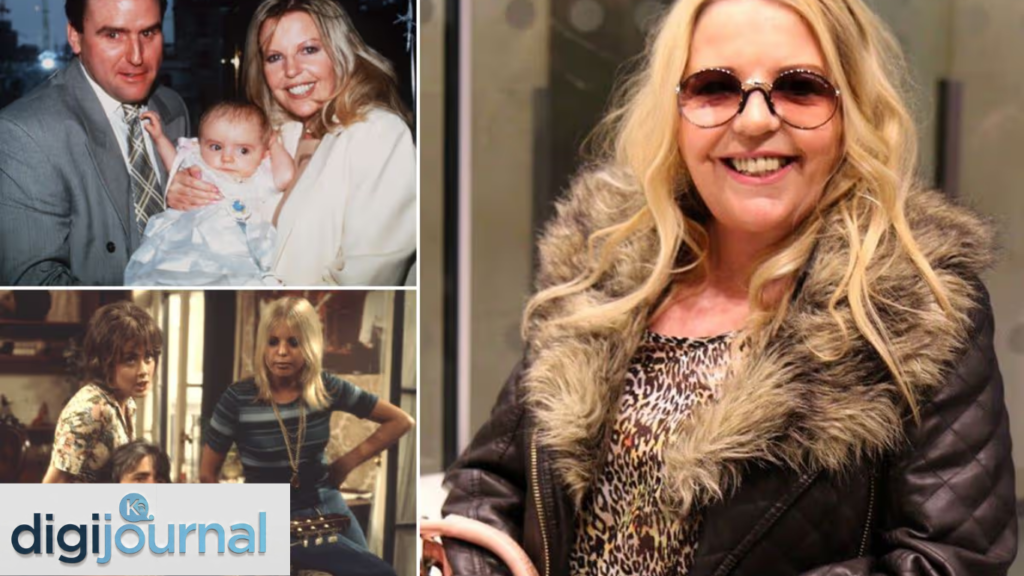
She is also known for playing the free-spirited Jo Jordan in the popular ITV sitcom Man About the House from 1973 to 1976. Jo was bubbly, funny, and refreshingly down-to-earth — a character who felt like she could be your mate from around the corner. That accessibility was no accident; it was the result of Sally’s deeply natural approach to comedy performance.
She starred as Jo across 39 episodes of Man About the House. That’s a remarkable run of consistent, quality television work. Week in, week out, Sally showed up and delivered performances that made audiences laugh, cringe, and cheer in equal measure.
The sitcom’s setup — three young people sharing a flat and navigating the complications of modern life — was brilliantly ahead of its time. Her work continues to influence young actors who study her performances for timing, expression, and subtlety.
Key highlights of her Man About the House years include:
- Comedic timing that was spot-on in every scene
- Chemistry with co-stars Richard O’Sullivan and Paula Wilcox that felt genuinely natural
- A character, Jo, who was modern, independent, and relatable to young audiences
- Contribution to a show so successful it eventually spawned the American remake Three’s Company
- Consistent performance across six series without a single dip in quality
Sally Thomsett’s Personal Life: Love, Marriage, and Family
Behind every great actress is a rich personal story, and Sally’s is genuinely fascinating. In 1971, Thomsett married her boyfriend of five years Nigel Newman, but they separated later that year and subsequently divorced in 1976. It was a difficult start to married life, but Sally never let personal struggles derail her professional momentum.
She then went travelling and married Danish film producer Claus Hede Nielsen. This chapter of her life brought international adventure and new perspectives — the kind of experiences that enrich a performer’s worldview in ways no drama school ever could.
She also had a three-year relationship with her co-star Richard O’Sullivan during the production of Man About the House, and dated Eddie Kidd in the late 1970s.
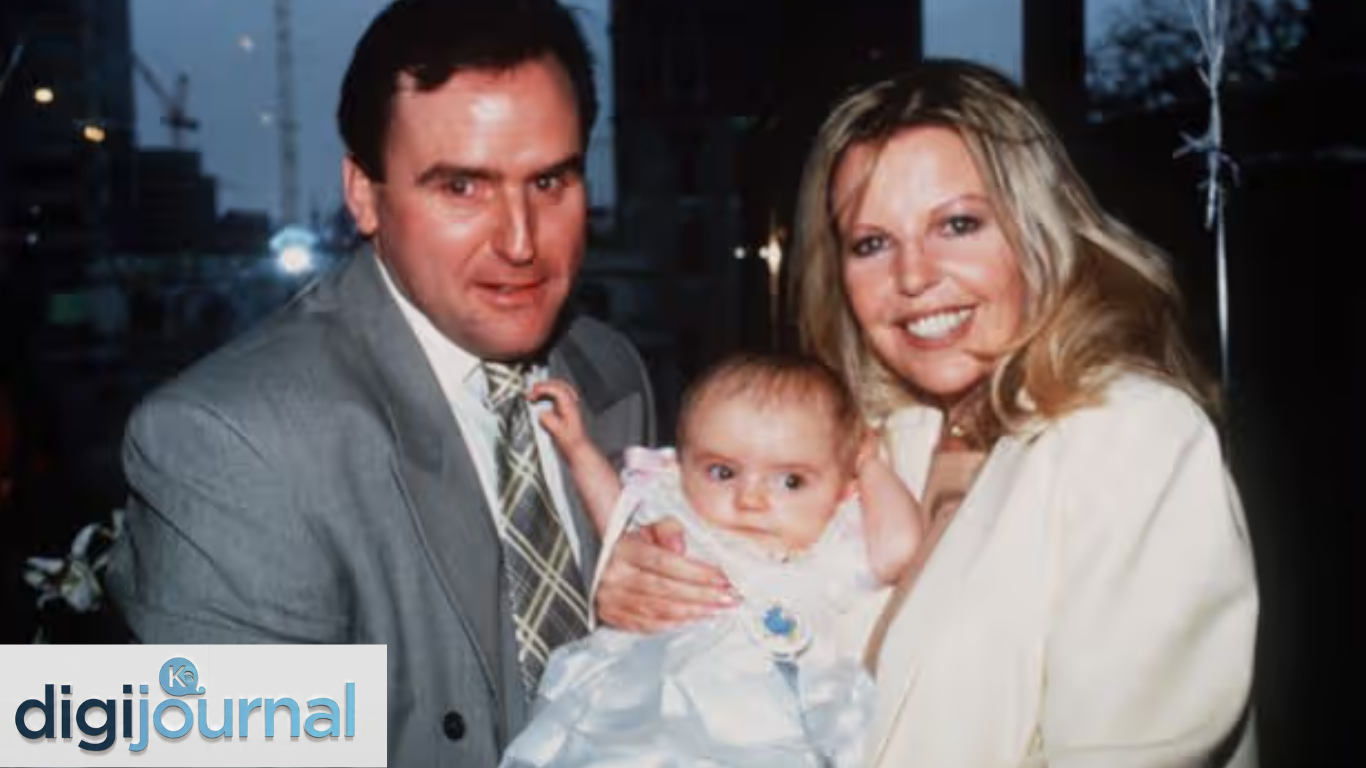
Perhaps the most beautiful chapter of Sally’s personal life came in the 1990s. She met her partner Paul Agnew, a lecturer, in 1993, and they had a daughter in 1996. Some years later, while estranged from her husband, she met Paul Agnew and got pregnant at the age of 46 with daughter Charlotte. Becoming a mother at 46 is, by any measure, a wonderful and courageous life choice, and it clearly brought Sally enormous joy and purpose. In 2019, she said: “I thought when she’s old enough, I’ll go back to work.”
Legacy and Cultural Impact of Sally Thomsett
It’s one thing to have a successful career. It’s quite another to leave a cultural mark that endures for over half a century. Sally Thomsett has done exactly that, and then some.
She represents a generation of British actors who brought authenticity to television and film during the 60s and 70s. Her performances in both comedic and dramatic contexts contributed to a richer, more relatable portrayal of British life on screen.
For many fans, Sally Thomsett isn’t just an actress — they see her as a symbol of a golden era of British entertainment. That’s a powerful legacy. It speaks to the fact that her work wasn’t just entertainment; it was a mirror held up to British society, reflecting its humour, its warmth, and its everyday humanity.
Moreover, her legacy demonstrates that consistent dedication and professionalism can sustain a career long after the initial spotlight fades. In an age when fame is often fleeting and fame cycles move faster than ever, the lasting warmth people feel for Sally is genuinely remarkable.
Her cultural impact can be measured in several meaningful ways:
| Area of Impact | Details |
| Film Legacy | The Railway Children remains a cherished British classic, regularly broadcast and studied |
| Television Legacy | Man About the House laid the groundwork for modern flat-share comedies |
| Honorary Recognition | Honorary Membership of the Keighley and Worth Valley Railway |
| BAFTA Recognition | Nominated and celebrated for Best Newcomer, 1970 |
| Influence on Actors | Her naturalistic style continues to be studied by aspiring performers |
| Cultural Nostalgia | Repeatedly referenced in retrospectives on British cinema and television |
Sally Thomsett Today: Life Away From the Spotlight
Where is Sally Thomsett today? Well, the short answer is: living life on her own brilliant terms. As of 2026, Sally Thomsett is still very much alive and living a private life. She remains active in the memories of fans who fondly recall her iconic roles, especially her time in Man About the House and The Railway Children.
Towards the end of the 1970s, Sally decided to retire from acting to start travelling around the world. She returned to the stage in the 1980s, but decided to retire from acting following the birth of her daughter.
She did, however, make occasional returns to the stage in later years. Thomsett appeared in Peter Pan as Mrs. Darling at Doncaster Racecourse during the 2014–2015 Christmas season. That’s a delightful image — a beloved actress of the silver screen stepping back into the spotlight for a festive pantomime, enchanting a whole new generation.
While she never returned to acting full-time, her presence at charity events and occasional public appearances allowed her to maintain a connection with the public. And honestly, there’s something beautifully dignified about that approach — choosing family, peace, and personal fulfilment over the relentless demands of public life.

What Makes Sally Thomsett a True British Icon
Let’s cut to the chase: Sally Thomsett isn’t just remembered because she was in popular shows. She’s remembered because she was genuinely, brilliantly good at what she did. And that, my friends, is a distinction worth making.
What sets her apart from many of her contemporaries?
- Authenticity: Sally never seemed to be “acting” — she simply became her characters
- Versatility: From children’s classics to adult comedies to psychological thrillers, she did it all
- Longevity: Her work from the early 1970s still resonates powerfully with modern audiences
- Humility: Despite significant fame, she remained grounded, private, and unpretentious
- Bravery: Whether playing an 11-year-old at age 20 or navigating the darkness of Straw Dogs, she never shied away from challenging material
- Warmth: In every role, there was a fundamental human warmth that made audiences genuinely care
Her story is one of grace, perseverance, and enduring influence — a true testament to the lasting power of classic British entertainment. There’s really no better way to put it. Sally’s journey — from a girl in Brighton with a talent for performance to a nationally beloved actress whose work endures decades later — is nothing short of inspiring.
Conclusion
Sally Thomsett is, without question, one of the most beloved and genuinely talented actresses Britain has ever produced. From her unforgettable turn as Phyllis in The Railway Children — a performance that required extraordinary skill to pull off — to her scene-stealing work as Jo in Man About the House, she consistently delivered performances that were funny, moving, and deeply human. Her story isn’t just about fame; it’s about dedication, resilience, and the quiet courage to live life authentically.
Sally Thomsett’s career has spanned decades, and her work left an indelible mark on British entertainment. Even now, in 2026, conversations about the golden era of British film and television inevitably circle back to her name, her smile, and her extraordinary body of work. She didn’t just act in classic British productions — she helped define what those classics were.
Whether you’re discovering Sally Thomsett for the first time or revisiting her work with the affectionate eyes of a long-time admirer, one thing is clear: her legacy is here to stay. And quite rightly so.
FAQs
What is Sally Thomsett best known for?
Sally Thomsett is best known for two iconic roles: Phyllis Waterbury in the 1970 British film The Railway Children and Jo Jordan in the popular ITV sitcom Man About the House, which aired from 1973 to 1976. Both roles made her a household name across the United Kingdom.
How old was Sally Thomsett when she filmed The Railway Children?
Sally Thomsett was 20 years old when she filmed The Railway Children, yet she convincingly played the 11-year-old character Phyllis Waterbury.
Did Sally Thomsett win any awards?
Yes! Sally Thomsett was nominated for a BAFTA Award for Best Newcomer in 1970 for her performance in The Railway Children. She was also made an Honorary Member of the Keighley and Worth Valley Railway in recognition of her contribution to the beloved film.
Is Sally Thomsett still alive in 2026?
Yes, Sally Thomsett is still alive as of 2026. She is 75 years old and has largely stepped away from the public spotlight, choosing to live a private and peaceful life with her partner Paul Agnew and their daughter Charlotte.
Did Sally Thomsett appear in any other well-known films besides The Railway Children?
Absolutely. Sally Thomsett appeared in the controversial 1971 psychological thriller Straw Dogs, directed by Sam Peckinpah and starring Dustin Hoffman, where she played the character Janice. She also appeared in Baxter! (1973) and was part of the 1974 film adaptation of Man About the House.
