
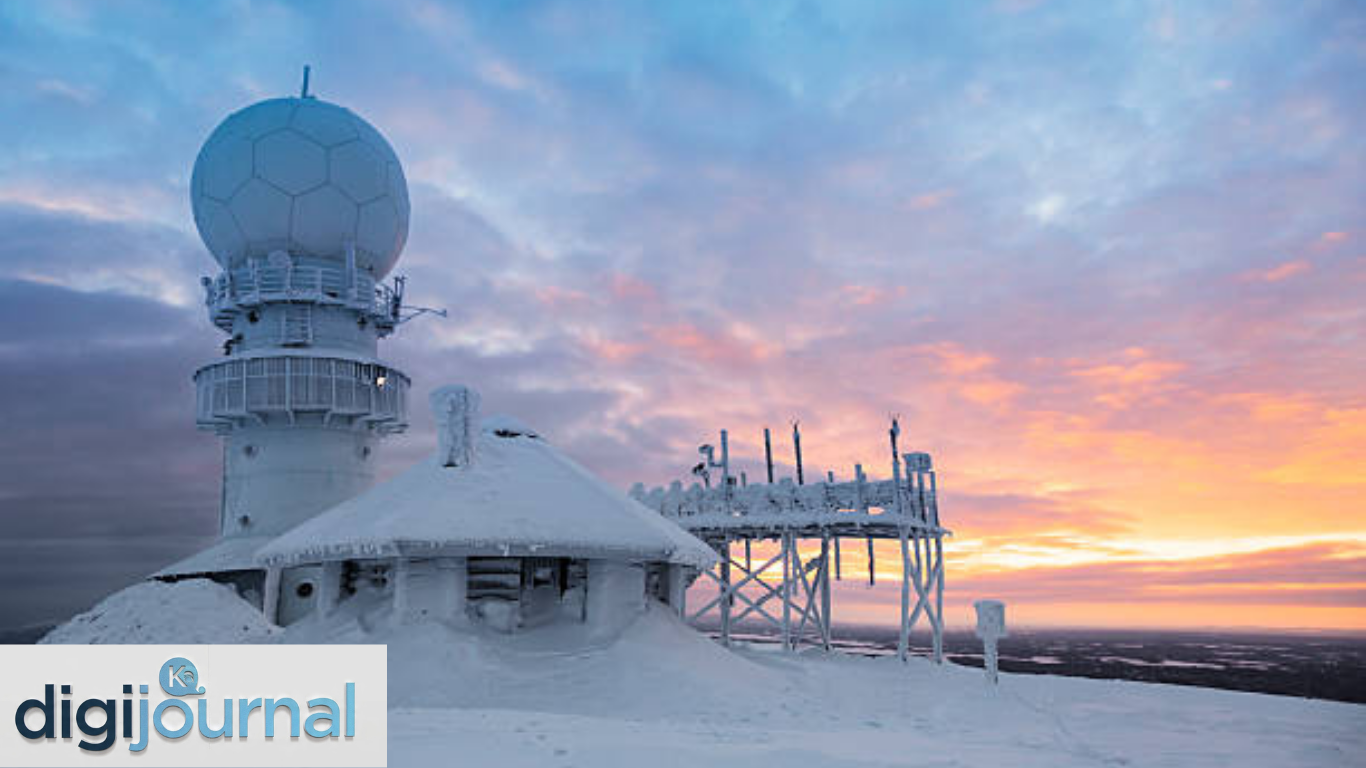
When it comes to staying ahead of dangerous storms, wten weather radar is one of the most powerful tools available to residents across the Capital Region of New York. Whether you’re planning a weekend picnic or trying to figure out if that dark cloud rolling in from the west means business, understanding how WTEN’s radar technology works — and how to use it — can genuinely make a difference in your safety. Let’s dive right in.
What Is WTEN Weather Radar and Why Does It Matter?
WTEN is the ABC affiliate television station serving Albany, New York, and the surrounding Capital Region. As part of its news and public service mission, WTEN operates and broadcasts advanced wten weather radar data that helps viewers track precipitation, storm systems, and severe weather events in near real-time.
Radar stands for Radio Detection And Ranging. Simply put, it works by sending out radio waves that bounce off precipitation — rain, snow, hail, or sleet — and return to a receiver. The time it takes for those waves to return tells meteorologists how far away the precipitation is, while the strength of the returning signal indicates how heavy the rainfall or snowfall might be.
For viewers in Albany, Schenectady, Troy, and surrounding communities, wten weather radar is more than a cool graphic on the evening news. It’s a life-saving instrument that provides early warning for:
- Severe thunderstorms
- Tornadoes and rotating supercells
- Flash floods
- Blizzards and nor’easters
- Freezing rain events
How Doppler Radar Powers WTEN’s Storm Coverage
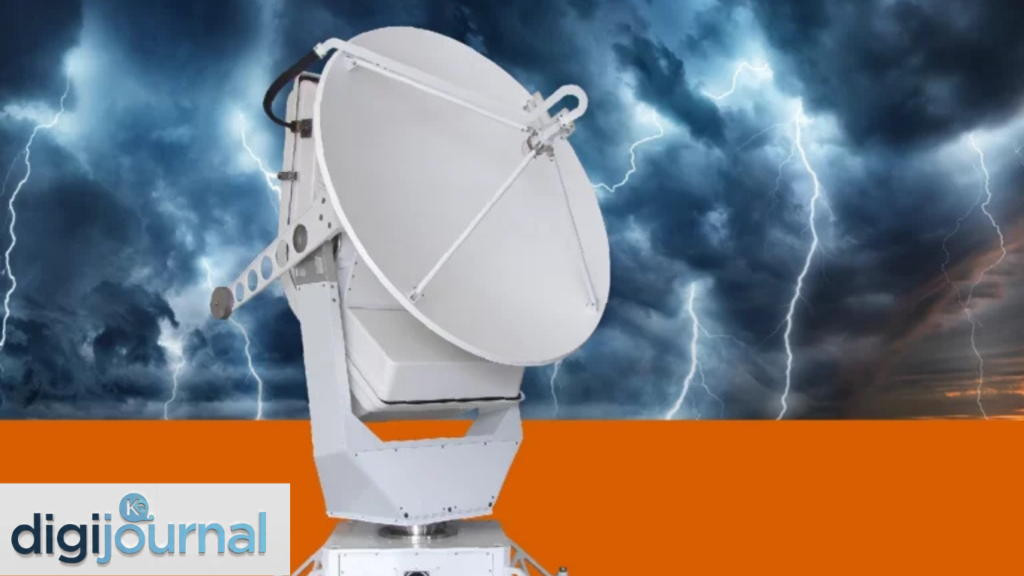
At the heart of modern weather radar technology is Doppler radar, and WTEN relies on this same principle to deliver accurate, up-to-date forecasting. Traditional radar could tell you where precipitation was falling, but Doppler radar takes things a giant leap further — it can also tell you how fast that precipitation is moving and in which direction.
Here’s how it works in plain terms:
- The radar dish sends out a pulse of microwave energy
- That pulse hits rain droplets or snowflakes in the atmosphere
- The returning signal is slightly shifted in frequency depending on whether the precipitation is moving toward or away from the radar
- This frequency shift — called the Doppler Effect — allows meteorologists to detect wind speeds and rotation inside storm cells
Why does rotation matter? Because rotating thunderstorms — known as supercells — are the ones most likely to produce tornadoes. By detecting rotation early, the wten weather radar system gives forecasters precious extra minutes to issue life-saving tornado warnings.
Understanding the Colors on WTEN Weather Radar
Ever looked at a radar display and wondered what all those colors mean? Well, you’re not alone — and honestly, it’s easier to understand than it looks. The colors on wten weather radar follow a standard meteorological color scale that indicates precipitation intensity.
| Color | What It Means | Intensity Level |
| Light Green | Light rain or drizzle | Low |
| Medium Green | Moderate rain | Moderate |
| Dark Green | Heavy rain beginning | Moderate-High |
| Yellow | Heavy rain | High |
| Orange | Very heavy rain / small hail | Very High |
| Red | Extremely heavy rain / large hail | Severe |
| Purple/Pink | Giant hail or intense precipitation | Extreme |
For snow events in the Capital Region — which, let’s face it, are a regular occurrence — the color scale works similarly, though the values are adjusted because snow reflects radar energy differently than rain.
A handy tip: when you see a yellow-to-red cluster moving in a northeast direction on the wten weather radar, it’s time to pay close attention to any storm warnings being issued.
The Technology Behind WTEN’s Storm Tracking System
WTEN doesn’t just rely on a single radar source. Modern television meteorologists like those at WTEN use a combination of tools to build the most accurate picture possible of incoming weather. These typically include:
- WSR-88D (NEXRAD) Doppler Radar — the national network of 160+ high-powered Doppler radar sites operated by the National Weather Service, which feeds into local TV stations’ systems
- Dual-polarization radar — an upgrade to the NEXRAD network that sends pulses both horizontally and vertically, allowing meteorologists to distinguish between rain, snow, hail, and even birds or insects
- Local station radar overlays — many stations supplement the NEXRAD data with their own proprietary radar systems
- Computer modeling systems — predictive algorithms that help project where a storm is headed
- StormTracker and similar brand systems — many TV stations market their own branded radar tools that integrate multiple data sources
WTEN’s meteorologists use all of these layers together to create what you see on screen during a severe weather broadcast — an integrated, multi-source view that the wten weather radar system presents in an easy-to-follow format.
The Capital Region’s Unique Weather Challenges
Now, here’s something that makes the wten weather radar especially important: Albany and the surrounding Capital Region sit in one of the most meteorologically complex areas in the northeastern United States. The region is influenced by:
- The Adirondack Mountains to the north, which funnel cold Arctic air southward
- The Hudson and Mohawk River Valleys, which act as natural wind corridors and can concentrate precipitation
- Lake effect snow from Lake Ontario and Lake Erie, which can dump several feet of snow in a matter of hours on portions of the region
- Nor’easters sweeping up the East Coast from the Gulf Coast or Atlantic, often bringing historic snowfalls
- Summertime thunderstorm outbreaks fed by moisture streaming north from the Gulf of Mexico
Because of this geographic complexity, local radar coverage — the kind provided by wten weather radar — is far more valuable than a national overview alone. A statewide radar map might not catch the hyper-local snow squall bearing down on a specific neighborhood in Guilderland or Clifton Park. That’s where local expertise and finely tuned radar analysis make all the difference.
How to Access and Read WTEN Weather Radar Online
Gone are the days when you had to be sitting in front of your television to catch a radar update. Today, wten weather radar is available in multiple convenient formats:
Television Broadcasts
WTEN airs regular weather updates throughout the day, with extended coverage during severe weather events. The station’s meteorologists provide live, narrated radar analysis that puts raw data into plain, understandable language.
WTEN Website and App
The WTEN digital platforms offer interactive radar that viewers can manipulate themselves — zooming in on their neighborhood, toggling through time to see where a storm has been, or running the radar forward to see where it’s projected to go.
Tips for reading the interactive radar:
- Use the loop function to animate the radar and see storm movement clearly
- Zoom in to your specific neighborhood for the most relevant view
- Check the velocity layer (if available) to see wind speed data within storms
- Look for radar gaps — mountainous terrain like the Adirondacks can create “radar shadows” where data is limited
What WTEN Meteorologists Look For During Severe Weather
When a severe weather situation develops, the team behind the wten weather radar isn’t just passively watching dots on a screen. They’re actively analyzing multiple data points simultaneously. Here’s a peek behind the curtain:
Hook Echoes: A hook-shaped appendage on a radar return is a classic sign of a supercell thunderstorm with rotation — and potentially a tornado. WTEN meteorologists are trained to spot these signatures and issue immediate on-air alerts.
Bow Echoes: A bow-shaped line of strong radar returns often indicates a fast-moving squall line with damaging straight-line winds. These can be just as dangerous as tornadoes.
Mesocyclones: Using the Doppler velocity data, forecasters can identify areas of rotation inside thunderstorms well before a tornado actually touches down.
Storm relative motion: This shows how precipitation is moving relative to the overall movement of the storm, helping pinpoint rotation and shear.
Hail signatures: Dual-polarization radar can identify the “three-body scatter spike” — a telltale radar artifact that indicates the presence of large hail inside a storm.
Seasonal Weather Patterns Tracked by WTEN Weather Radar
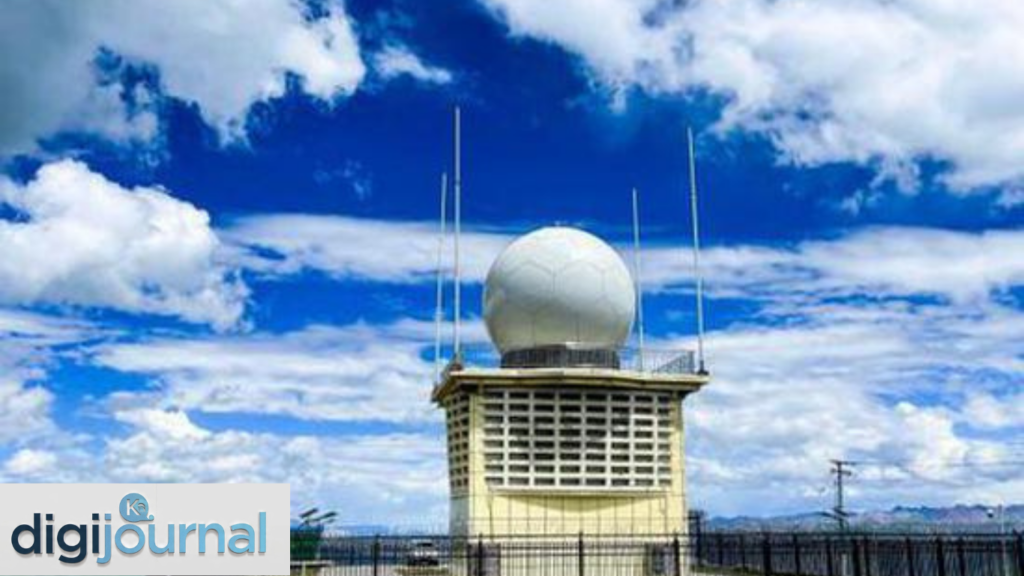
The Capital Region experiences weather extremes across all four seasons, and the wten weather radar system plays a critical role in monitoring each of them.
Winter (December – March):
This is radar-watching season for many Capital Region residents. The team tracks nor’easters, Alberta Clippers (fast-moving Canadian storm systems), lake-effect snow bands, and winter mixed precipitation events — the dreaded rain/snow/ice transitions that make driving treacherous.
Spring (April – June):
Severe thunderstorm season begins in earnest. Tornado watches and warnings, hail-producing storms, and flooding rains all appear on the wten weather radar display with increasing frequency.
Summer (July – August):
Pop-up afternoon thunderstorms fueled by heat and humidity can develop rapidly. The radar is especially important in summer because these storms can go from clear skies to dangerous conditions in under an hour.
Fall (September – November):
Early season nor’easters, nor’easters that can bring snow to higher elevations in October, and nor’easters transitioning from tropical systems moving northward — fall keeps WTEN’s meteorologists very busy indeed.
How WTEN Weather Radar Supports Emergency Preparedness
Beyond just telling you whether to grab an umbrella, the wten weather radar plays a meaningful role in community emergency preparedness. Local emergency management agencies in Albany, Rensselaer, Schenectady, Saratoga, and other surrounding counties rely on the same radar data that WTEN broadcasts to make critical decisions about:
- Activating emergency operations centers
- Issuing shelter-in-place orders for schools and businesses
- Pre-positioning road crews and salt trucks ahead of winter storms
- Issuing flood warnings for low-lying areas along the Hudson and Mohawk Rivers
- Coordinating search and rescue operations after severe weather
The partnership between WTEN, the National Weather Service’s Albany forecast office, and local emergency management makes the Capital Region better prepared for whatever Mother Nature throws at it.
Tips for Making the Most of WTEN Weather Radar
Want to get the most out of the wten weather radar tools available to you? Here are some practical suggestions:
- Download the WTEN weather app and enable push notifications for severe weather alerts in your area
- Bookmark the interactive radar page on the WTEN website so you can access it quickly when storms are approaching
- Follow WTEN meteorologists on social media — they often post radar updates and storm analysis in real-time during active weather events
- Learn your local geography — understanding which direction storms typically approach your neighborhood from gives you a meaningful head start
- Don’t rely on radar alone — combine radar data with NOAA Weather Radio, Wireless Emergency Alerts on your phone, and your local community’s warning sirens for maximum situational awareness
- Check the radar before major outdoor events — weddings, outdoor concerts, graduation parties, and sports games all benefit from a quick radar check an hour or two beforehand
Conclusion
There’s really no overstating just how valuable the wten weather radar is for anyone living in or visiting the Capital Region of New York. From the first green blobs of an approaching rainstorm to the ominous red swirls of a severe thunderstorm complex, the radar data broadcast and published by WTEN gives every resident the power to make informed, potentially life-saving decisions.
The technology behind modern weather radar — Doppler analysis, dual-polarization sensing, computer modeling, and the dedicated expertise of WTEN’s meteorology team — represents decades of scientific advancement put directly in your hands. Whether you’re checking the app before your morning commute or watching live coverage during a tornado warning, the wten weather radar is your most reliable partner in weather preparedness.
Stay informed, stay prepared, and stay safe — because around here, the weather is always worth watching.
FAQs
Is WTEN weather radar available for free?
Yes! WTEN provides weather radar access through its free website and mobile app. You can view interactive radar maps, loop animations, and receive severe weather alerts at no cost.
How often does the WTEN weather radar update?
The radar data typically refreshes every two to six minutes, depending on the system in use. During severe weather, the National Weather Service can switch NEXRAD radars into “rapid scan mode,” updating as frequently as every 60 seconds.
Can WTEN weather radar predict tornadoes?
While no radar can predict a tornado with 100% certainty, wten weather radar using Doppler technology can detect the rotation inside thunderstorms that produces tornadoes, often providing 10–15 minutes of advance warning.
Why does the radar sometimes show precipitation that isn’t falling near me?
This is a phenomenon called “virga” — precipitation that evaporates before reaching the ground — or it may be caused by ground clutter, chaff, or anomalous propagation, where the radar beam bends and reflects off surfaces it shouldn’t normally reach.
How is WTEN weather radar different from the Weather Channel or national weather apps?
The core radar data is similar, but WTEN’s local meteorologists provide hyper-local expertise, interpretation specific to the Capital Region’s unique geography, and live on-air analysis that generic national apps simply can’t replicate. For local storm tracking, wten weather radar with local expert commentary is unmatched.
