
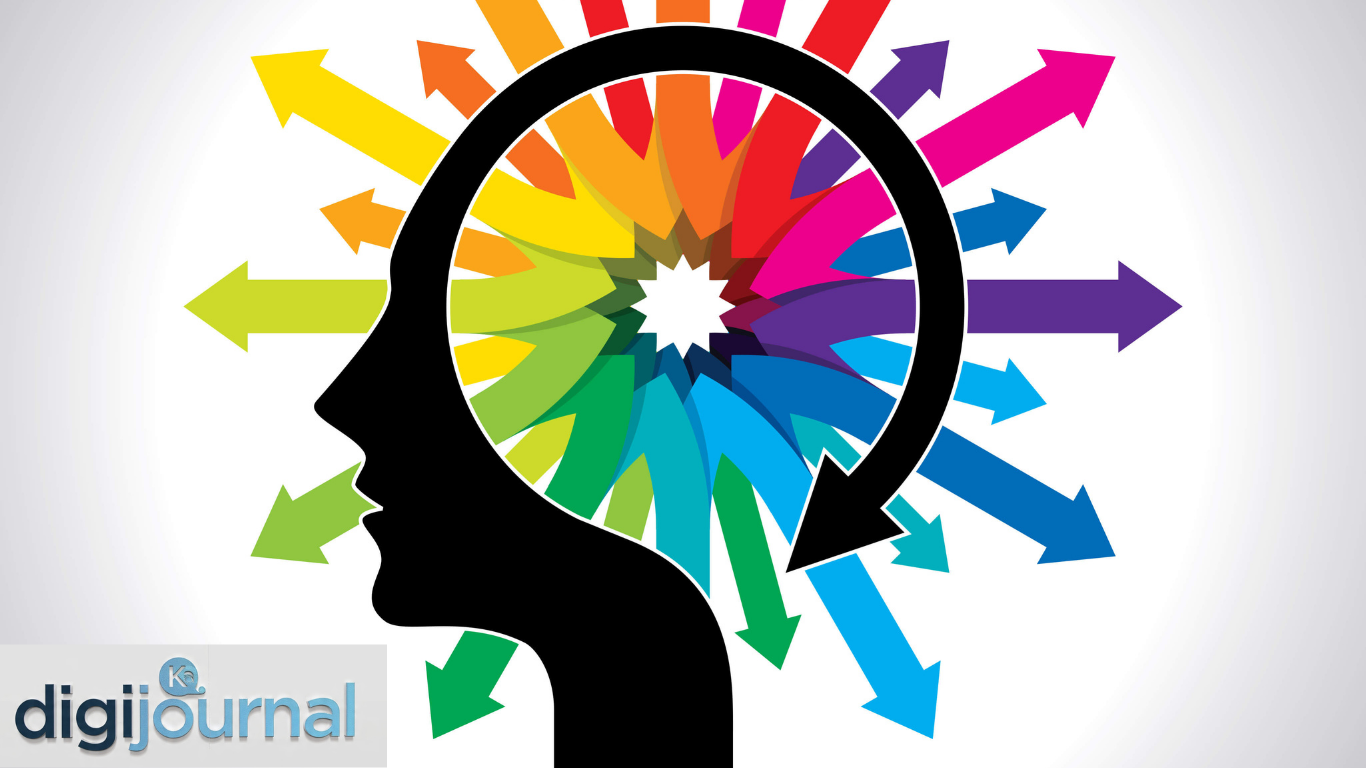
Have you ever walked into a room painted bright red and felt your heart beat just a little faster? Or stepped into a soft blue space and instantly felt calmer, as if the world had slowed down? Well, you’re not imagining things — colour psychology is the very real science behind why colours affect us so deeply. It’s a fascinating field that sits at the crossroads of art, science, and human behaviour, and understanding it can genuinely change the way you see the world.
Colour is one of the first things our brains process. Long before we read a word, notice a shape, or make a conscious decision, colour has already done its job — nudging our emotions, influencing our choices, and setting the tone for our entire experience. That’s an astonishing amount of power packed into something as simple as a hue on a wall or a shade in a logo.
In this article, we’re going to dive deep into the world of colour psychology — what it is, why it matters, how different colours affect different people, and how you can use this knowledge in everyday life. Whether you’re decorating your home, building a brand, or just trying to understand human behaviour a little better, colour psychology has something valuable to offer you.
What Is Colour Psychology and Why Does It Matter?
Colour psychology is the study of how colours influence human perception, mood, and behaviour. It explores the connection between visual stimuli and emotional or psychological responses — in other words, it asks: why do colours make us feel the way they feel?
The study of colour and emotion isn’t new. Ancient civilisations — from the Egyptians to the Chinese — used colour intentionally in healing spaces, spiritual ceremonies, and architecture. They didn’t have the science to back it up, but they understood intuitively that colour had power.
Today, researchers, psychologists, designers, marketers, and therapists all draw on colour psychology to inform their work. And the findings are remarkable:
- Colours can raise or lower heart rate and blood pressure.
- They influence how long we spend in a shop or restaurant.
- They affect whether we trust a brand or ignore it.
- They even impact how hungry or sleepy we feel.
It’s safe to say that colour isn’t just decoration — it’s communication. Every colour sends a message, whether we’re aware of it or not.
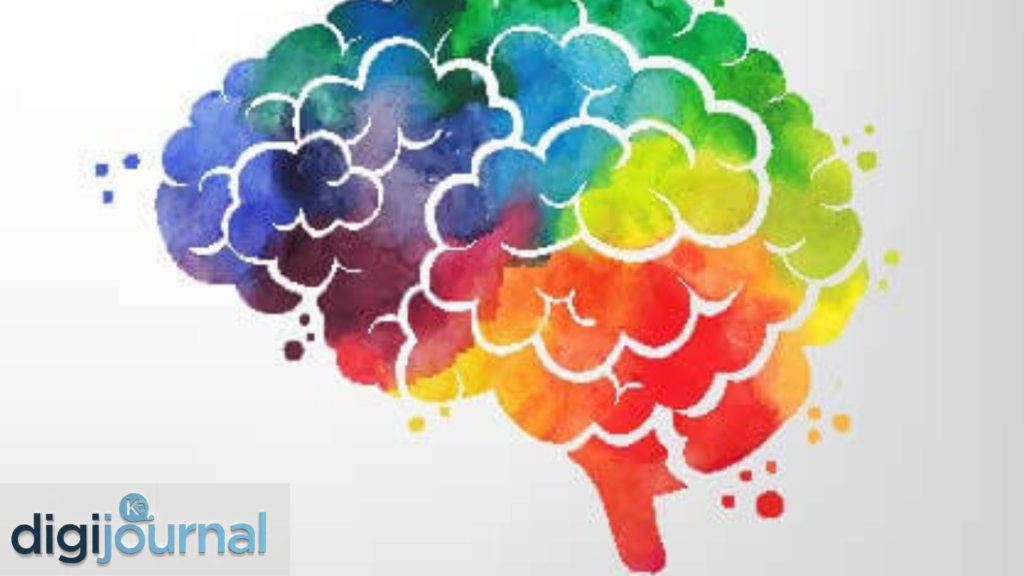
The Science Behind Colour Psychology
Before we get into what each colour means, it’s worth understanding how colours actually affect us. When light hits our eyes, it’s processed by photoreceptors in the retina and sent to the brain via the optic nerve. But here’s the kicker — colour information doesn’t just go to the visual cortex. It also triggers responses in the limbic system, which is the emotional centre of the brain.
This means colour processing is directly linked to our feelings. It’s not a metaphor; it’s biology.
There are three main ways colour influences us:
- Physiological responses — For example, red has been shown to increase heart rate and stimulate the release of adrenaline. Cool blues, on the other hand, can slow breathing and lower blood pressure.
- Psychological associations — We build associations with colour through lived experience. If you grew up associating yellow with sunshine and happy holidays, you’ll likely feel uplifted when you see it.
- Cultural meanings — Colour symbolism varies hugely across cultures. White represents purity in Western traditions but mourning in some Eastern ones. These cultural layers add complexity to colour psychology.
Understanding this three-pronged effect helps explain why colour psychology is both universal and deeply personal at the same time.
Red: The Colour of Power, Passion, and Urgency
Red is perhaps the most psychologically charged colour of them all. It’s bold, it’s intense, and it’s impossible to ignore. In the world of colour psychology, red is associated with:
- Energy and excitement — It stimulates the nervous system and creates a sense of urgency.
- Love and passion — Think red roses, Valentine’s Day, and romantic settings.
- Danger and warning — Stop signs, fire exits, and warning labels are red for a reason.
- Appetite stimulation — Fast food giants like McDonald’s and KFC use red in their branding, and that’s no coincidence.
Red demands attention. When used wisely, it can be motivating and invigorating. But too much red in an environment can feel aggressive or overwhelming, so it’s all about balance.
Blue: The Universal Colour of Calm and Trust
If red is the sprinter, blue is the marathon runner — steady, reliable, and endlessly trustworthy. Blue is consistently ranked as the world’s favourite colour, and colour psychology gives us a clear reason why.
Blue is deeply connected to nature — the sky, the sea, open horizons. It creates feelings of:
- Calm and serenity — Blue spaces lower anxiety and promote relaxation.
- Trust and reliability — Banks, tech companies, and healthcare brands love blue for this very reason (think Facebook, PayPal, and the NHS logo).
- Focus and productivity — Studies suggest that people working in blue environments tend to be more focused and produce more creative ideas.
- Coolness and depth — Blue is a “receding” colour, meaning it can make spaces feel larger and more open.
The one thing to watch out for? Too much blue — particularly cold, pale blue — can feel impersonal or even sad. That’s where the phrase “feeling blue” comes from.
Yellow: Optimism in a Colour
Bright, cheerful, and impossible to overlook, yellow is the colour of sunshine, optimism, and intellectual energy. From a colour psychology perspective, yellow:
- Triggers the release of serotonin, giving it a natural mood-lifting effect.
- Stimulates mental activity and encourages communication.
- Grabs attention faster than almost any other colour — which is why hazard signs and taxi cabs are often yellow.
- Can feel overwhelming or anxiety-inducing in large amounts or very bright shades.
Yellow works brilliantly as an accent colour — a pop of yellow in a neutral space can lift the entire mood of a room. However, using too much of it can backfire, making spaces feel chaotic or even irritating. Like most things in life, it’s all about moderation.
Green: The Colour of Balance, Nature, and Growth
Green sits right in the middle of the visible spectrum, and fittingly, it represents balance. It’s the colour most associated with nature, health, and renewal — and our eyes can distinguish more shades of green than any other colour, which speaks to our evolutionary relationship with it.
In colour psychology, green is known for:
- Reducing stress and promoting relaxation — Being in green spaces (forests, parks, gardens) has been clinically proven to lower cortisol levels.
- Evoking feelings of safety — Green is the “go” colour in traffic lights, and it signals permission and progress.
- Representing health and sustainability — Organic food brands, environmental organisations, and health clinics overwhelmingly use green in their branding.
- Stimulating creativity and fresh thinking — Green environments have been linked to improved creative problem-solving.
Whether it’s the fresh green of new leaves in spring or the deep richness of a forest pine, green has a deeply soothing and restorative quality that very few colours can match.
Colour Psychology in Branding and Marketing
One of the most exciting — and commercially significant — applications of colour psychology is in branding and marketing. The colours a company chooses for its logo, website, and packaging aren’t chosen at random. They’re strategic decisions, informed by an understanding of how colour shapes perception.
Here’s a quick look at how some of the world’s biggest brands use colour psychology:
| Brand | Primary Colour | Psychological Effect |
| Coca-Cola | Red | Excitement, energy, appetite |
| Facebook / Meta | Blue | Trust, connection, reliability |
| Starbucks | Green | Nature, calm, health, growth |
| McDonald’s | Red + Yellow | Urgency, appetite, happiness |
| Apple | White + Black | Simplicity, sophistication, innovation |
| Amazon | Orange + Black | Warmth, affordability, confidence |
| IKEA | Blue + Yellow | Trust, optimism, accessibility |
What’s fascinating is that colour alone can account for up to 85% of the reason a consumer chooses one product over another, according to research on visual identity and purchasing behaviour. That’s a staggering figure — and it underlines just how powerful colour psychology really is in the commercial world.
Colour Psychology in Interior Design and Living Spaces
The colours of the spaces we live and work in have a profound effect on our mental and emotional wellbeing. Interior designers have long understood this, but now the science of colour psychology gives us a clearer framework for making better choices at home.
Here are some practical pointers:
- Bedroom: Soft blues, muted greens, and warm lavenders promote restful sleep and relaxation. Avoid bright reds or bold oranges, which are stimulating.
- Kitchen and dining room: Warm tones like terracotta, soft yellow, or warm white stimulate appetite and encourage lively conversation.
- Home office: Medium blues and greens support focus and creativity without being too calming or sleepy.
- Living room: Depending on the mood you want to create, neutrals like warm beige or soft grey offer versatility, while deeper shades of green or blue create a cosy, grounded atmosphere.
- Bathroom: White, pale blue, and light green feel clean, fresh, and spa-like — perfect for a space meant for renewal.
The point isn’t to follow strict rules, but to be intentional about colour choices rather than just defaulting to what’s on trend. After all, you’re the one who has to live there.
Cultural Differences in Colour Perception
Here’s something that doesn’t always get enough attention in discussions of colour psychology — colour meaning is not universal. Cultural background plays a huge role in how we interpret and emotionally respond to colour.
Consider these examples:
- White: In Western cultures, it symbolises purity, weddings, and new beginnings. In many East Asian cultures, it’s associated with mourning and funerals.
- Red: In China, red is the colour of luck, prosperity, and celebration. In Western contexts, it more often signals danger, urgency, or romance.
- Purple: Historically associated with royalty and wealth in Europe (because purple dye was extraordinarily expensive). In Brazil, it’s strongly linked to mourning.
- Yellow: In Japan, yellow represents courage. In some Latin American cultures, it can signify death or grief.
- Black: In much of the Western world, black is the colour of mourning and formality. In parts of Africa, white fulfils that function instead.
This is a crucial reminder for global brands, international designers, and anyone working across cultures — what feels cheerful in one context can feel deeply inappropriate in another. Cultural sensitivity and colour psychology go hand in hand.
How to Use Colour Psychology in Everyday Life
Understanding colour psychology doesn’t require a degree in design or a background in science. There are simple, practical ways to use colour more intentionally in your daily life:
- Dress with intention: Wearing red when you need to feel confident and powerful, blue when you want to appear trustworthy, or green when you want to feel calm and grounded can genuinely shift your mindset.
- Colour your workspace: Add splashes of colour through stationery, plants, or wall art to influence your mood and productivity throughout the day.
- Think about food presentation: Studies show that the colour of plates and tablecloths can influence how food tastes and how much we eat. White or black plates tend to make food look more appealing.
- Use colour in journaling or art therapy: Many therapists use colour as a tool for emotional expression. Choosing colours intuitively when drawing or journaling can reveal a great deal about your inner state.
- Apply it in gift-giving: Choosing gift wrapping, flowers, or decor in the recipient’s favourite colour — or in a colour that conveys the right emotion — adds a thoughtful, personal touch.
Small changes can make a big difference. That’s the beauty of colour psychology — it’s accessible to everyone.
Conclusion
Colour is one of life’s most abundant and freely given gifts. It surrounds us every single day — in the sky, in our homes, in the food on our plates, and in every brand we encounter. And yet most of us move through it on autopilot, never stopping to ask why certain colours make us feel certain ways.
Colour psychology invites us to slow down and pay attention. It gives us a framework for understanding that our emotional responses to colour aren’t random — they’re the result of biology, personal experience, and cultural conditioning working together. That knowledge is genuinely empowering.
Whether you’re a parent choosing paint colours for your child’s bedroom, a student looking to boost focus during exam season, a business owner crafting a brand identity, or simply someone who wants to feel better in the spaces they inhabit — colour psychology has something valuable to offer you.
The world is full of colour. Now that you understand its language, you can start using it deliberately, thoughtfully, and joyfully. Go ahead and paint your life in the shades that serve you best.
FAQs
What is colour psychology in simple terms?
Colour psychology is the study of how different colours affect human emotions, thoughts, and behaviour. It explores why certain colours make us feel calm, excited, hungry, or trusting, and how these responses can be used in design, marketing, and everyday life.
Is colour psychology scientifically proven?
Yes, there is a strong body of scientific research supporting the basic principles of colour psychology. Studies have shown measurable physiological and psychological effects from exposure to different colours, including changes in heart rate, mood, focus, and appetite. That said, individual and cultural differences mean responses aren’t always universal.
What colour is best for reducing stress and anxiety?
Blue and green are consistently rated as the most calming colours in colour psychology research. Soft, muted shades of these colours — particularly in natural environments — have been shown to lower cortisol levels and reduce feelings of anxiety.
How does colour psychology influence buying decisions?
Research suggests that colour influences up to 85% of purchasing decisions at the point of sale. Colours trigger emotional responses and associations that shape how we perceive a brand’s personality, trustworthiness, and quality — often before we’ve read a single word.
Can colour psychology be used for mental health and therapy?
Absolutely. Colour therapy (also known as chromotherapy) is used by some therapists as a complementary tool to support emotional wellbeing. Colour choices in clinical spaces — such as hospitals and counselling rooms — are often informed by colour psychology to create environments that feel safe, calming, and healing.
