
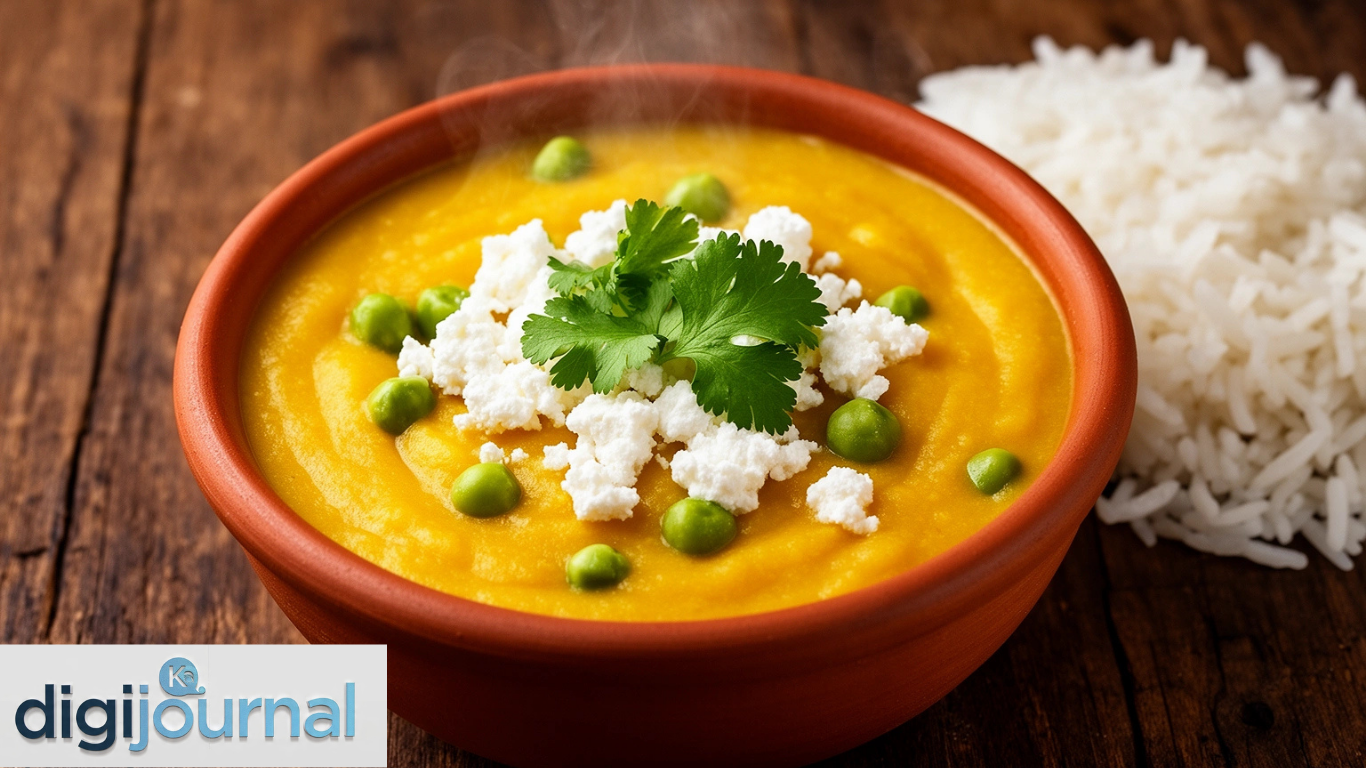
If you’ve ever typed “best locro de zapallo near me” into your phone at lunchtime, you already know the craving is real — and honestly, it’s well-deserved. Locro de zapallo is one of those dishes that wraps you up like a warm blanket on a rainy afternoon. It’s hearty, creamy, deeply flavored, and rooted in centuries of Andean tradition. Whether you’ve grown up eating it at your grandmother’s table or you’re discovering it for the very first time, this stew has a way of making everything feel right.
In this article, we’re going to walk you through what locro de zapallo actually is, where it comes from, how to find the best version near you, what to look for in an authentic bowl, and even how to make it yourself if you’re feeling adventurous. Let’s dig in — because great food is always worth chasing!
What Exactly Is Locro de Zapallo?
Well, let’s start at the beginning. Locro de zapallo is a traditional Andean stew made primarily with zapallo — a type of yellow or orange squash native to South America, similar to pumpkin or butternut squash. The name comes from the Quechua word ruqru, meaning stew, and it has been a staple in Peru, Ecuador, Bolivia, Chile, and Argentina for hundreds of years.
The dish is simple in its soul but complex in its comfort. A classic locro de zapallo typically includes:
- Zapallo (squash) — the star of the show, soft and golden
- Potatoes — creamy and filling
- Corn on the cob — adds texture and a slight sweetness
- Queso fresco or quesillo — a fresh cheese stirred in at the end
- Aji amarillo paste — Peru’s beloved golden chili for heat and depth
- Garlic, onion, and cumin — the essential aromatic base
- Fresh herbs like cilantro or huacatay (Andean black mint)
In Peru, it’s often served with white rice on the side and a fried egg on top. In Argentina, the version can be heartier — sometimes including meat, beans, or chorizo. Either way, it’s a bowl of pure soul.
The Rich Cultural History Behind This Beloved Stew
You can’t really appreciate the best locro de zapallo near me without understanding where it comes from. This dish isn’t just food — it’s identity.
Locro has been eaten in the Andes for over 2,000 years. Long before the Spanish arrived, indigenous communities were cooking squash-based stews in clay pots over open fires. The zapallo squash was one of the most important crops in pre-Columbian agriculture, prized for its ability to grow in high altitudes and its incredible nutritional value.
When Spanish colonizers arrived in the 16th century, they brought new ingredients like dairy and certain spices. Over time, these were blended into the original Andean recipes, giving birth to the creamy, spiced version of locro de zapallo we know today. It’s a dish that survived conquest, colonization, and centuries of change — and it’s still going strong. Isn’t that something?
In Peru especially, locro de zapallo became a favorite during cuaresma (Lent), since it’s naturally vegetarian and incredibly satisfying without meat. It became the dish of resourcefulness — proof that beautiful food doesn’t always require expensive ingredients.
How to Find the Best Locro de Zapallo Near Me
Alright, here’s where things get practical. Finding authentic locro de zapallo outside of South America — or even outside specific neighborhoods — can feel like looking for a needle in a haystack. But don’t worry, it’s not as hard as it seems once you know where to look.
Start with Google Maps and Yelp
The quickest way to search for the best locro de zapallo near me is to use Google Maps. Just type “Peruvian restaurant” or “South American restaurant” + your city. Most authentic Peruvian restaurants will have locro de zapallo on their menu, especially if they serve traditional comida criolla (Creole home cooking).
Look for Peruvian, Ecuadorian, or Argentine Restaurants
While Peruvian spots are your best bet, Ecuadorian and Argentine restaurants also serve excellent versions of this dish. Don’t overlook these options — sometimes the lesser-known spots serve the most heartfelt food.
Check Food Delivery Apps
Apps like DoorDash, Ubereats, and Grubhub often list dishes by cuisine. Search “locro” directly in the search bar — you might be surprised what pops up nearby.
Ask the Community
Local Facebook groups, Reddit threads like r/LatinFood or r/PeruvianFood, and even Instagram hashtags like #locrodeZapallo can point you toward hidden gems in your city. Real people sharing real meals — you can’t beat that kind of recommendation.
Visit Latin Food Markets
Many Latin grocery stores have small attached restaurants or food counters. These spots are often family-run and serve incredibly authentic dishes that never make it onto mainstream restaurant apps.
What Makes a Truly Authentic Bowl Stand Out
Not all locro de zapallo is created equal — and once you’ve had a truly great bowl, you’ll know the difference immediately. So what separates an outstanding version from a disappointing one?
| Feature | Authentic Locro de Zapallo | Inauthentic Version |
| Squash texture | Partially melted into the broth, velvety | Chunky and undercooked |
| Color | Deep golden-orange | Pale or dull yellow |
| Seasoning | Layered with aji amarillo and cumin | Flat, underseasoned |
| Cheese | Fresh cheese melted in at the end | Pre-packaged shredded cheese |
| Consistency | Thick, creamy, almost porridge-like | Watery or soupy |
| Herbs | Fresh cilantro or huacatay | Dried herbs only |
| Temperature | Served piping hot | Lukewarm |
A truly great locro de zapallo should have a thick, almost jammy consistency where the squash has broken down beautifully into the broth. The aji amarillo gives it a warm, fruity heat — not overwhelming, but definitely present. The queso fresco should be creamy and slightly tangy, melting into the stew as you stir.
If someone puts a bowl in front of you and it looks more like vegetable soup than a stew, you might want to ask for more cooking time — or find a better spot!
Top Tips for Ordering Locro de Zapallo at a Restaurant
When you’re finally sitting down at a restaurant and you’ve found what looks like a great bowl of locro de zapallo, here are a few insider tips to make the most of your experience:
- Ask if it’s made fresh daily. Great locro de zapallo isn’t something you make from a can. A good restaurant will cook it fresh every day.
- Request extra aji amarillo on the side. If you love heat, ask for it — most Peruvian restaurants will have it available.
- Order it with white rice. The classic pairing is a scoop of fluffy white rice in the center of the bowl. It absorbs the stew perfectly.
- Try it with a fried egg on top. A traditional garnish in many Peruvian homes, the runny yolk adds extra richness.
- Ask about the zapallo variety. The best versions use zapallo macre or zapallo loche — traditional Peruvian squash varieties that have a naturally sweeter, denser flesh.
- Pair it with chicha morada (purple corn drink) for the full experience.
Making Locro de Zapallo at Home — A Worthy Adventure
Can’t find the best locro de zapallo near me in your area? Well, good news — this dish is absolutely something you can make at home, and it’s not as complicated as it might sound. The ingredients are increasingly available at Latin supermarkets and even some mainstream grocery stores.
Here’s a simplified version of what you’ll need for a home-cooked pot:
Ingredients (serves 4):
- 1 kg zapallo or butternut squash, peeled and cubed
- 2 medium potatoes, peeled and cubed
- 2 ears of corn, cut into rounds
- 1 onion, finely chopped
- 3 garlic cloves, minced
- 2 tablespoons aji amarillo paste (or to taste)
- 1 teaspoon ground cumin
- 200g queso fresco, crumbled
- ½ cup evaporated milk
- Salt, pepper, and oil to taste
- Fresh cilantro for garnish
Basic Method:
- Sauté onion and garlic in oil until soft and translucent.
- Add aji amarillo paste and cumin — cook for 2 minutes to bloom the flavors.
- Add squash, potatoes, and corn. Cover with water or light broth.
- Simmer on medium heat for 25–30 minutes until squash is very soft.
- Use a spoon to partially mash the squash directly in the pot for a creamy texture.
- Stir in evaporated milk and queso fresco.
- Season generously and garnish with fresh cilantro.
- Serve hot with white rice.
Making it at home gives you control over the spice level, the creaminess, and the portion size. Plus, the smell of aji amarillo and squash filling your kitchen? Absolutely worth it.
Nutritional Benefits of Locro de Zapallo
Beyond its incredible flavor, one of the reasons people love searching for the best locro de zapallo near me is that it’s genuinely good for you. This isn’t just comfort food — it’s nourishing food.
Here’s a quick breakdown of why this dish is a nutritional win:
- Zapallo (squash): Rich in beta-carotene, Vitamin C, potassium, and fiber. It supports eye health, immunity, and digestion.
- Potatoes: A great source of complex carbohydrates and Vitamin B6. Energy-sustaining and filling.
- Aji amarillo: Contains capsaicin, which has anti-inflammatory properties and may support metabolism.
- Queso fresco: Provides calcium and protein without being overly heavy.
- Corn: A good source of dietary fiber and essential minerals like magnesium and phosphorus.
The dish is naturally gluten-free and can easily be made vegan by swapping the cheese for a plant-based alternative and omitting the milk. For a vegetarian lifestyle, it’s a genuinely complete meal — filling, colorful, and deeply satisfying.
Regional Variations You Should Try
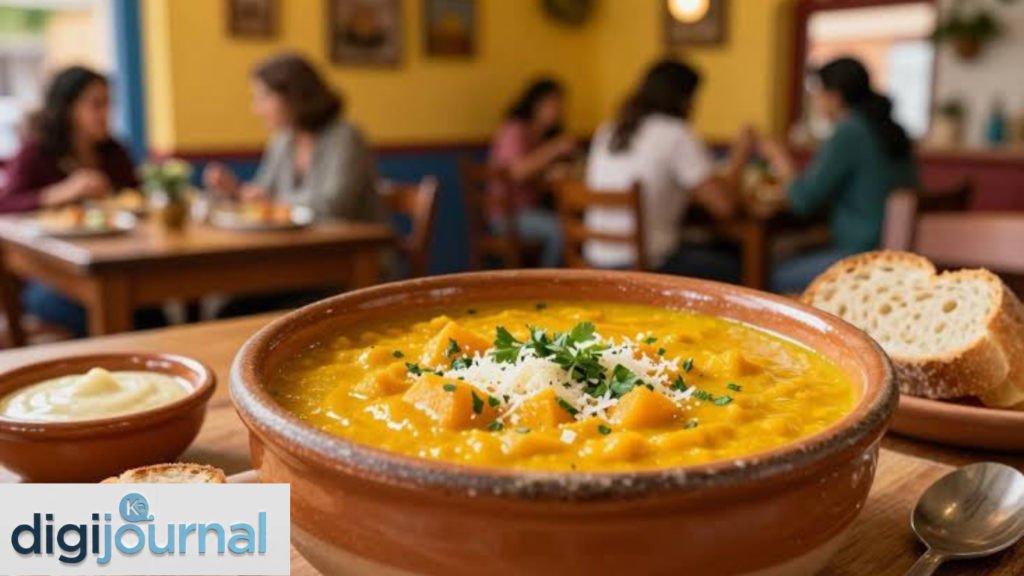
One of the most exciting things about locro de zapallo is how differently it can be prepared depending on where you are. If you’re on a culinary adventure, it’s worth exploring these regional twists:
Peruvian Locro de Zapallo The most common version — vegetarian-friendly, creamy, with aji amarillo and queso fresco. Often served during Lent and widely available at picanterías (traditional Peruvian eateries).
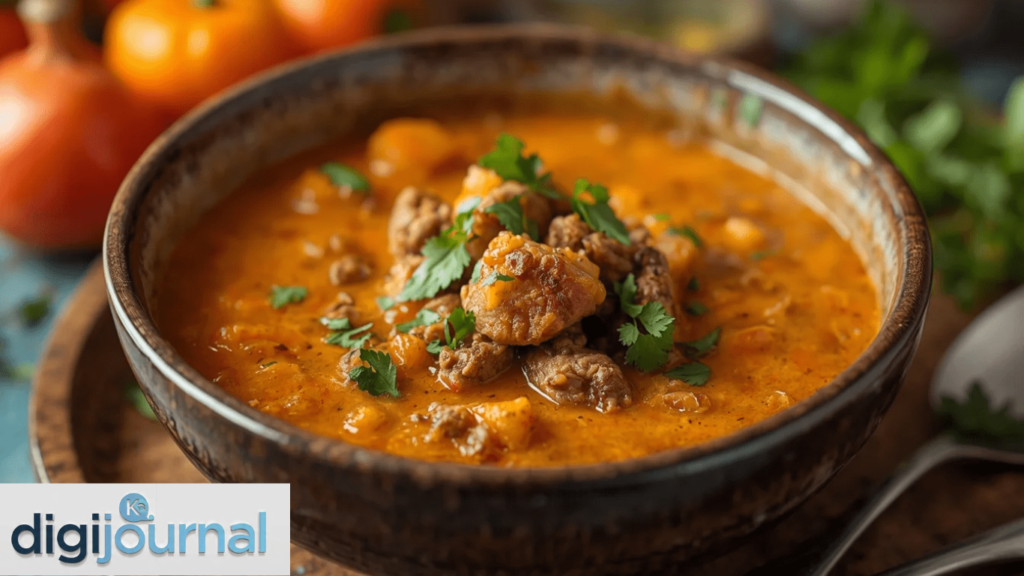
Argentine Locro Much heartier, often made with corn, white beans, squash, and various meats like chorizo, pork ribs, or tripe. It’s a beloved dish for Fiestas Patrias (national holidays) and is thick enough to stand a spoon in.
Ecuadorian Locro de Papa A cousin of locro de zapallo, this Ecuadorian version focuses more on potato as the base, with avocado and cheese on top. Equally delicious and worth trying.
Chilean Cazuela de Zapallo A lighter, brothier variation that includes pumpkin, corn, and sometimes chicken. Less creamy but equally flavorful.
Each version tells you something different about the culture it comes from — and all of them are worth a taste.
How to Evaluate a Restaurant’s Locro de Zapallo
When you’re out hunting for the best locro de zapallo near me, it helps to know what questions to ask and what signs to look for. Here’s a quick checklist:
- ✅ Does the menu describe the dish in detail, or is it a vague “pumpkin stew”?
- ✅ Does the restaurant use fresh aji amarillo paste or imported Peruvian pantry staples?
- ✅ Are there Peruvian or South American staff or owners? (A good cultural sign)
- ✅ Do reviews mention the stew specifically — and positively?
- ✅ Is the dish available only seasonally, suggesting freshness and care?
- ✅ Is the restaurant decorated with any cultural touches that reflect authenticity?
Don’t be afraid to ask the server questions. Any restaurant proud of their locro will happily tell you how it’s made.
Conclusion
At the end of the day, the quest for the best locro de zapallo near me is a journey worth taking. This golden, creamy, deeply comforting Andean stew is more than just a meal — it’s a connection to centuries of culture, ingenuity, and love for good food. Whether you find it at a family-run Peruvian picanterías down the street, order it through a delivery app on a quiet Sunday, or decide to make it yourself at home on a cold evening, it’s guaranteed to satisfy in ways that few dishes can.
So go ahead — search, explore, taste, and enjoy. The best locro de zapallo near me might just be around the corner, waiting for you to discover it.
FAQs
What is locro de zapallo made of?
Locro de zapallo is primarily made with yellow squash (zapallo), potatoes, corn, queso fresco, aji amarillo paste, garlic, onion, and cumin. It’s a creamy, thick stew traditionally from the Andean regions of South America.
Is locro de zapallo vegetarian?
Yes! The traditional Peruvian version of locro de zapallo is naturally vegetarian. It can also be made vegan by replacing the fresh cheese and evaporated milk with plant-based alternatives.
Where can I find the best locro de zapallo near me?
Your best bet is to search for Peruvian or South American restaurants in your area using Google Maps, Yelp, or food delivery apps. Latin grocery stores with food counters are also excellent spots to find authentic versions.
What does locro de zapallo taste like?
It has a rich, creamy, mildly spicy flavor profile. The squash gives it a natural sweetness, the aji amarillo adds a fruity heat, and the queso fresco provides a tangy creaminess. It’s warm, filling, and deeply comforting.
Can I substitute butternut squash for zapallo in locro de zapallo?
Absolutely! Butternut squash is the closest widely available substitute for zapallo. It has a similar sweetness and texture when cooked. Kabocha squash or sugar pumpkin also work well if you can find them at your local market.
