
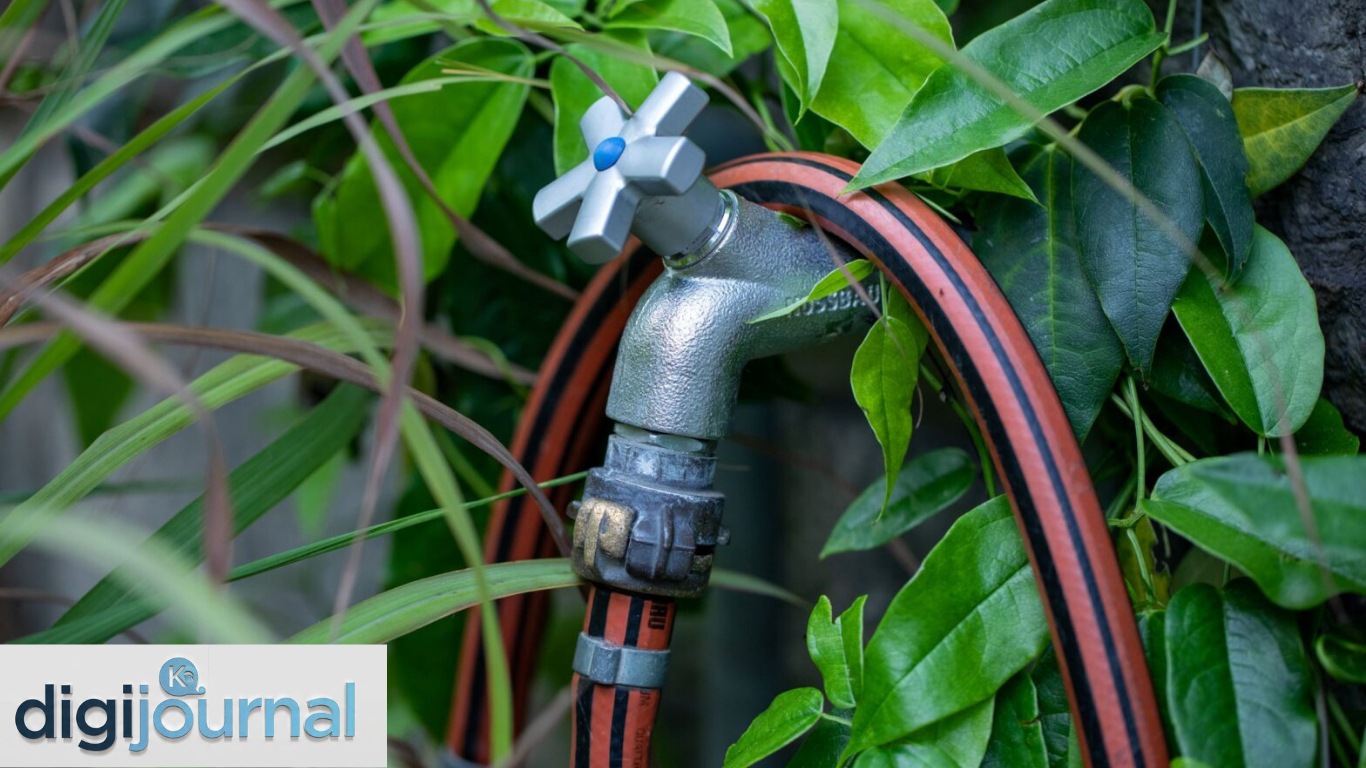
If you’ve ever wrestled with a kinked, leaking, or tangled hose on a warm summer afternoon, you already know how frustrating watering the garden can be. Well, don’t sweat it — finding the right garden hose can make a world of difference. Whether you’re nurturing a small balcony herb garden or managing a sprawling backyard landscape, the right hose transforms the entire experience from a chore into something genuinely enjoyable.
So, what is the best garden hose? The honest answer is: it depends. It depends on your garden size, water pressure, budget, and how often you plan to use it. But that’s exactly what this guide is here to help you figure out. From materials and length to pressure ratings and fittings, we’re covering everything you need to know — and more — so you walk away feeling confident and ready to pick the perfect hose for your garden.
Why Choosing the Right Garden Hose Actually Matters
It might seem like a garden hose is just… a tube. How complicated could it be? Surprisingly, quite a lot! A poorly chosen hose can:
- Kink constantly, disrupting your water flow mid-task
- Crack and split after just one or two seasons, wasting money
- Leak at connectors, leaving puddles where you don’t want them
- Be too heavy or stiff to carry comfortably around the yard
- Deliver inadequate water pressure, leaving your plants thirsty
On the flip side, a well-chosen hose is durable, flexible, easy to store, and delivers consistent water flow season after season. It’s really a long-term investment in your garden’s health — and in your own sanity, frankly!
Understanding Garden Hose Materials
One of the most important factors when deciding what is the best garden hose is the material it’s made from. Each type has its strengths and weaknesses, and knowing the difference helps you make a smarter choice.
Rubber Hoses
Rubber hoses are widely considered the gold standard. They’re incredibly durable, handle hot water without kinking, and tend to last the longest. The downside? They’re heavier than other options, which may be a concern if you’ve got a large garden to cover.
- Pros: Extremely durable, kink-resistant, handles hot and cold water
- Cons: Heavy, often more expensive
Vinyl Hoses
Vinyl hoses are the lightest and cheapest option on the market. They’re great for light, occasional use — say, watering a small patio container garden. However, they tend to kink easily and don’t hold up as well over time under intense sun or freezing temperatures.
- Pros: Lightweight, affordable, easy to handle
- Cons: Prone to kinking, less durable, not ideal for heavy use
Expandable (Flexible) Hoses
These hoses have taken the gardening world by storm in recent years. They expand up to three times their original length when the water is turned on, then shrink back down for compact storage. They’re a hit with gardeners who have limited storage space.
- Pros: Super lightweight, easy to store, no kinking when expanded
- Cons: Can be less durable over time, may not suit high-pressure needs
Reinforced Hoses (Hybrid or Multi-Layer)
These combine the best of rubber and vinyl — they’re flexible, relatively light, durable, and kink-resistant. Many premium garden hoses fall into this category.
- Pros: Balanced performance, durable, flexible
- Cons: Mid-to-high price range
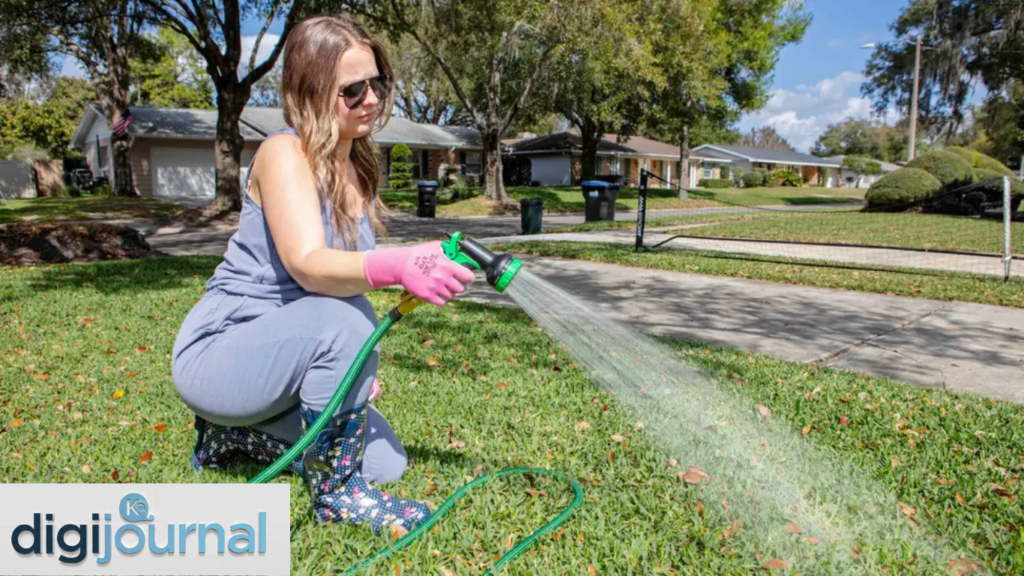
Garden Hose Diameter and Length — Getting the Size Right
Size matters — quite literally — when it comes to garden hoses. Choosing the wrong diameter or length can lead to frustration and inefficiency.
Diameter Options
| Diameter | Best For | Water Flow |
| ½ inch | Small gardens, potted plants | Lower flow rate |
| ⅝ inch | Most home gardens (most popular) | Moderate flow rate |
| ¾ inch | Large gardens, commercial use | High flow rate |
The ⅝-inch hose is by far the most popular choice for home gardeners. It strikes a great balance between water volume and manageable weight.
Length Considerations
- 25 feet: Ideal for small patios, balconies, or compact gardens
- 50 feet: The sweet spot for most standard-sized residential gardens
- 75–100 feet: For large yards, raised bed gardens, or homes with multiple outdoor spaces
Here’s a handy tip: don’t automatically go for the longest hose. A longer hose means more water resistance, which reduces pressure at the nozzle. Buy only what you need!
Key Features to Look For in a Garden Hose
When narrowing down what is the best garden hose for your needs, keep your eyes peeled for these important features.
Burst Pressure Rating
This refers to how much internal water pressure a hose can withstand before it bursts. Look for hoses with a burst pressure of at least 350 PSI for reliable everyday use. Premium hoses often go well above 500 PSI.
Fittings and Connectors
Brass fittings are far superior to plastic ones — they’re stronger, resist corrosion, and create a much better seal. Always opt for solid brass or aluminum fittings if longevity matters to you (and it should!).
UV Resistance
Hoses left outdoors are constantly exposed to sunlight. A UV-resistant hose won’t crack, fade, or degrade as quickly, making it a smart investment for gardeners in sunny climates.
Kink Resistance
Kinking is perhaps the single most annoying hose problem. Look for hoses marketed as “kink-free” or “anti-kink” — these typically use thicker walls, coil-reinforced construction, or special materials designed to maintain flow even when bent.
Weight
If you’re going to be dragging your hose across a large property regularly, weight really matters. Rubber hoses can weigh 4–6 pounds per 50 feet, while expandable hoses can weigh as little as 1–2 pounds at rest.
Top Garden Hose Types Compared
Let’s take a closer look at how the main hose categories stack up against each other in a side-by-side comparison.
| Feature | Rubber | Vinyl | Expandable | Reinforced Hybrid |
| Durability | ★★★★★ | ★★☆☆☆ | ★★★☆☆ | ★★★★☆ |
| Flexibility | ★★★☆☆ | ★★★☆☆ | ★★★★★ | ★★★★☆ |
| Kink Resistance | ★★★★☆ | ★★☆☆☆ | ★★★★★ | ★★★★☆ |
| Weight | ★★☆☆☆ | ★★★★★ | ★★★★★ | ★★★☆☆ |
| Value for Money | ★★★☆☆ | ★★★★★ | ★★★☆☆ | ★★★★☆ |
| Lifespan | 10+ yrs | 2–5 yrs | 3–7 yrs | 5–10 yrs |
As you can see, there’s no single “perfect” hose — but the reinforced hybrid offers one of the best all-round packages for the average home gardener.
Best Garden Hoses by Use Case
Everyone’s garden is a little different, so here’s a breakdown of what’s likely the best pick for your specific situation.
Best for Small Gardens and Patios
If you’re working with a compact space, a lightweight expandable hose (25–50 feet) is your best bet. It’s easy to store in a small shed or cabinet, won’t tangle, and delivers more than enough water pressure for container plants and raised beds.
Best for Medium-Sized Backyards
For the average suburban garden, a 50-foot reinforced hybrid hose with ⅝-inch diameter is hard to beat. It’s flexible enough to maneuver, durable enough to last years, and delivers solid water pressure across the entire garden.
Best for Large Gardens and Lawns
If you’ve got a big yard to cover, go with a 75–100 foot heavy-duty rubber hose paired with a hose reel. Yes, it’s heavier — but it’ll stand up to daily use, high water pressure, and years of exposure to the elements without blinking.
Best for Vegetable Gardens
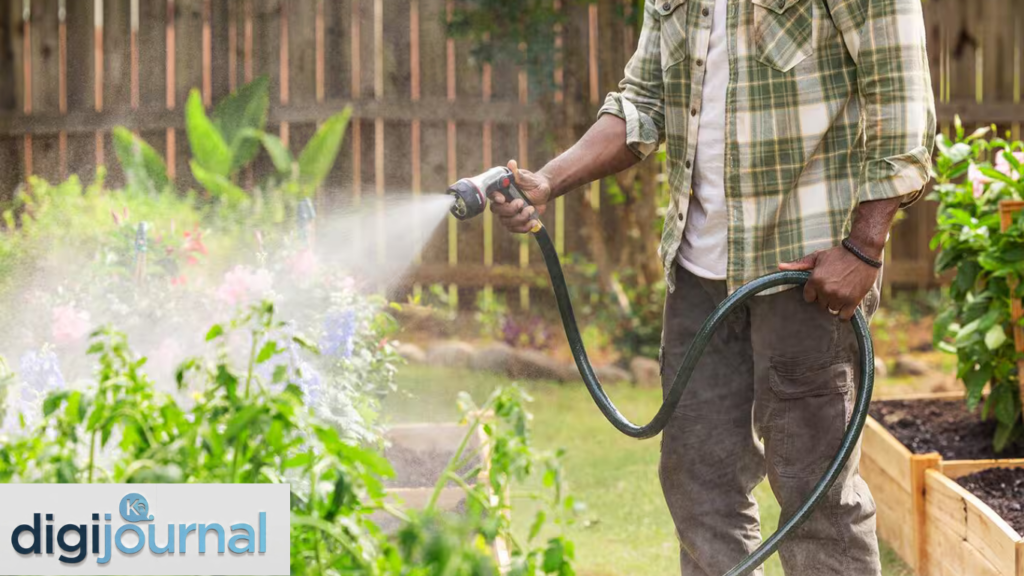
Vegetable gardeners often need precise watering control. Consider pairing any quality hose with a multi-pattern spray nozzle that offers settings like mist, shower, and soaker. This flexibility is invaluable when watering delicate seedlings versus established tomato plants.
Best for Kids and Pets
If the little ones (or the furry ones) are going to be playing with the hose, safety and lightness matter. An expandable hose is ideal — it’s practically impossible to trip over when collapsed, and its lighter weight means fewer accidents.
How to Maintain Your Garden Hose for Longer Life
Even the best garden hose won’t last forever if it’s not looked after properly. Here are some tried-and-true maintenance tips to keep your hose in top condition:
- Drain it completely after each use to prevent mildew and internal pressure buildup
- Coil it loosely in large loops rather than tight spirals to prevent kinking
- Store it out of direct sunlight when not in use — UV rays degrade hose materials over time
- Disconnect it from the tap during winter or frost periods to prevent cracking
- Check fittings regularly for minor leaks and replace rubber washers as needed
- Use a hose reel or hanger to keep it off the ground and neatly stored
- Flush it out at the start of each season to remove any debris or stagnant water
Trust me — a little TLC goes a long way. A rubber hose that’s well-maintained can easily outlast a poorly maintained premium hybrid by years.
Common Mistakes to Avoid When Buying a Garden Hose
Even seasoned gardeners make these mistakes. Don’t fall into these traps!
Buying Too Long a Hose
More length sounds like a good idea, but it reduces water pressure and makes the hose harder to manage. Measure your garden before buying.
Choosing Plastic Fittings to Save Money
It’s tempting to go cheap on fittings, but plastic ones crack, strip, and leak. Brass fittings are worth every extra penny.
Ignoring the Burst Pressure Rating
Low burst pressure ratings mean the hose can fail under normal tap pressure. Always check this spec before purchasing.
Forgetting About Storage
An expandable hose is wonderful — unless you forget that it still needs a hanger or small storage container. Plan for storage from the start.
Not Considering Water Quality
In some areas, water contains minerals that can clog hose fittings over time. If you’re in a hard water area, choose hoses and nozzles that are easy to descale.
FAQs
What is the best garden hose for home use?
For most homeowners, a 50-foot reinforced hybrid hose with ⅝-inch diameter and brass fittings offers the best balance of durability, flexibility, water pressure, and value. It suits the vast majority of residential garden tasks without being overly heavy or expensive.
How long should a quality garden hose last?
A high-quality rubber or reinforced hybrid hose, when properly maintained, can last 7–15 years or even longer. Vinyl hoses typically last 2–5 years, and expandable hoses fall somewhere in between at 3–7 years.
Are expandable hoses worth it?
Absolutely — for smaller gardens or people with limited storage space. They’re lightweight, tangle-free, and incredibly easy to handle. However, they may not hold up as well under very high water pressure or years of heavy daily use compared to rubber hoses.
What size garden hose is best?
The ⅝-inch diameter hose is the most popular and practical size for home gardens. It delivers strong water flow without the added weight of a ¾-inch hose. For very large properties or professional use, ¾-inch is worth considering.
How do I stop my garden hose from kinking?
Choose a kink-resistant or “kink-free” hose (rubber or reinforced hybrid), always store it loosely coiled on a reel or hanger, and avoid sharp bends when in use. Expandable hoses are also naturally kink-free when filled with water.
Conclusion
At the end of the day, determining what is the best garden hose comes down to understanding your own garden’s needs and habits. If you have a small, tidy patio — an expandable hose is probably your best friend. If you’ve got a large, diverse garden that demands daily watering — invest in a quality rubber or reinforced hybrid hose with brass fittings and a good reel to match.
The good news is that there’s truly a great hose out there for every gardener. You don’t need to break the bank to find something reliable, durable, and enjoyable to use. Armed with the knowledge in this guide — from materials and sizing to maintenance and common pitfalls — you’re now well-equipped to make the right call.
So go ahead, step outside, and give your garden the water it deserves. After all, a thriving garden starts with the right tools — and a great hose is right at the top of that list!
