
Let’s face it — the days of obsessing over a perfectly uniform, chemical-drenched grass lawn are slowly fading away. More and more homeowners are waking up to a smarter, greener alternative: clover lawn seed. Whether you’re tired of mowing every weekend, frustrated by brown patches during dry spells, or simply looking for an eco-friendly way to upgrade your yard, clover is honestly one of the best decisions you’ll ever make for your outdoor space.
Clover lawns aren’t a new concept — they were actually the standard in American lawns before the 1950s, when herbicide companies began marketing clovers as weeds. Well, surprise! What was once dismissed as a nuisance is now celebrated as a resilient, nitrogen-fixing, pollinator-friendly groundcover that thrives where grass often struggles. From drought-tolerant properties to its irresistibly soft texture underfoot, clover lawn seed is making a well-deserved comeback — and for all the right reasons.
In this guide, we’ll walk you through everything you need to know: types of clover seed, how to plant it, when to plant it, how to maintain it, and why it just might be the best thing to ever happen to your lawn.
What Exactly Is Clover Lawn Seed?
Before diving into the how-to, it’s worth understanding what clover lawn seed actually is. Clover belongs to the genus Trifolium, a member of the legume family. It’s a low-growing perennial or annual plant that produces three-leafed (occasionally four-leafed!) foliage and small, round flower clusters.
When we talk about clover lawn seed, we’re referring to seeds specifically selected and packaged for ground cover use — whether planted as a full lawn replacement, mixed with grass seed, or used to fill in patchy areas.
Key characteristics of clover include:
- Nitrogen fixation — Clover has a unique relationship with soil bacteria that allows it to convert atmospheric nitrogen into a usable form, essentially fertilizing your lawn naturally.
- Deep root systems — These roots reach far into the soil, making clover incredibly drought-resistant once established.
- Low growth habit — Most lawn varieties stay under 6 inches, reducing mowing frequency dramatically.
- Flower production — Those cute white or pink blooms are magnets for bees, butterflies, and other beneficial insects.
It’s not just a plant — it’s a mini ecosystem in your backyard!

Popular Types of Clover Lawn Seed to Consider
Not all clover is created equal. Choosing the right type of clover lawn seed for your specific climate, soil type, and intended use is absolutely crucial to your success. Here’s a breakdown of the most popular varieties:
White Clover (Trifolium repens)
Without a doubt, white clover — also called Dutch clover — is the most popular choice for lawn use. It’s low-growing, spreads easily, and produces charming white flowers that bees absolutely adore. It tolerates foot traffic reasonably well and thrives in a wide range of climates.
Best for: General lawn use, mixed clover-grass lawns, USDA Zones 3–10
Micro Clover (Trifolium repens var. Pirouette or Pipolina)
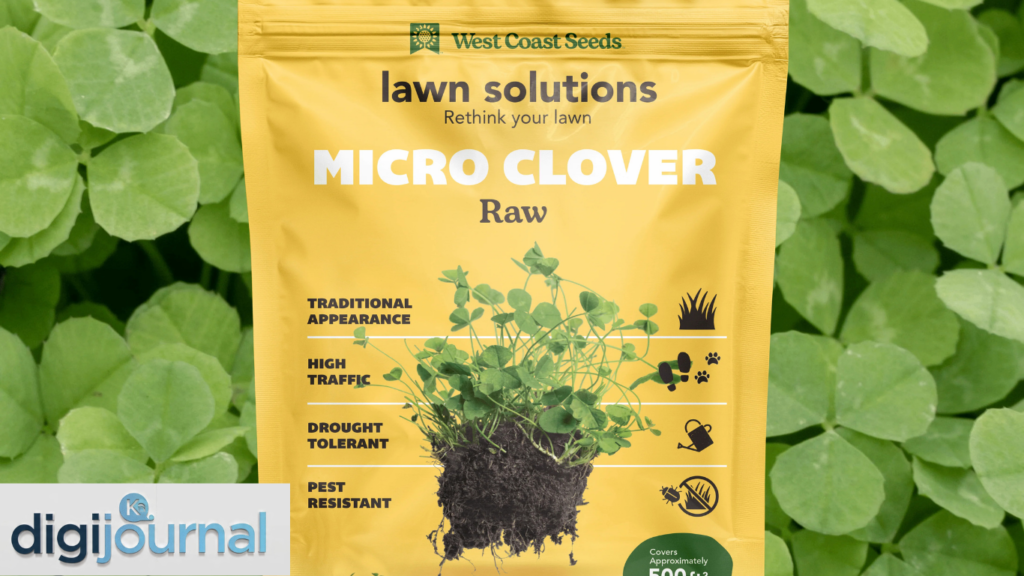
Micro clover is a dwarf variety of white clover that’s become wildly popular in recent years. It produces smaller leaves, flowers less frequently, and creates an ultra-dense, carpet-like appearance. If you’re after a lawn that’s nearly indistinguishable from traditional grass — only much tougher — micro clover is your go-to.
Best for: High-aesthetic lawns, front yards, urban settings
Red Clover (Trifolium pratense)
Red clover grows taller and is better suited to meadow-style settings rather than manicured lawns. It produces striking pink-to-red flowers and is excellent for erosion control and wildlife habitat.
Best for: Meadows, slopes, rural properties, pollinator gardens
Crimson Clover (Trifolium incarnatum)
Crimson clover is a fast-growing annual often used as a cover crop, but it can add gorgeous color to wildflower-style lawns. Its deep crimson blooms are visually spectacular.
Best for: Seasonal cover, wildflower mixes, soil enrichment
Strawberry Clover (Trifolium fragiferum)
This lesser-known variety is exceptionally tolerant of wet, poorly-drained soils and even mild salinity — making it a fantastic choice for problem areas where other plants struggle.
Best for: Wet areas, clay soils, coastal gardens
The Remarkable Benefits of Growing a Clover Lawn
Here’s where things get really exciting. The benefits of planting clover lawn seed go far beyond aesthetics. If you’re on the fence, these advantages might just tip you over:
| Benefit | Description |
| Natural Fertilizer | Fixes atmospheric nitrogen, reducing or eliminating the need for synthetic fertilizers |
| Drought Tolerance | Deep roots access subsoil moisture during dry spells |
| Low Maintenance | Rarely needs mowing more than once a month |
| Weed Suppressor | Dense growth crowds out common lawn weeds naturally |
| Pollinator Friendly | Flowers support bees, butterflies, and other beneficial insects |
| Soft Texture | Creates a pleasant, cushiony feel underfoot |
| Cost Savings | Less water, no fertilizer, minimal mowing = significant savings |
| Stays Green | Maintains color during summer heat when grass turns brown |
| Pet Friendly | Non-toxic and surprisingly resistant to dog urine damage |
| Eco Friendly | Reduces carbon footprint from lawn care equipment |
Honestly, once you see that list, it’s hard to argue against clover. It’s basically doing everything we wish regular grass would do — only better.
When and How to Plant Clover Lawn Seed
Timing and technique matter enormously when it comes to establishing a successful clover lawn. Don’t just scatter seed and hope for the best — a little preparation goes a long way!
Best Time to Plant
The optimal planting window for clover lawn seed depends on your climate:
- Spring (March–May): The most popular time. Soil temperatures are warming up, moisture is plentiful, and clover establishes quickly.
- Early Fall (August–September): A close second. Cooler temperatures reduce competition from weeds, and fall rains help seeds germinate.
- Avoid midsummer when soil is dry and heat stress is high — germination rates drop significantly.
Step-by-Step Planting Guide
Step 1 — Prepare Your Soil Clover prefers a slightly acidic to neutral pH of 6.0–7.0. Test your soil and amend accordingly. Loosen the top 2–3 inches of soil with a rake or garden fork to create a welcoming seedbed.
Step 2 — Choose the Right Seed Mix For most homeowners, a blend of 5–20% clover with grass seed works beautifully. Pure clover lawns are also fantastic but may feel unfamiliar at first. Look for high-quality, inoculated clover lawn seed — inoculation ensures the beneficial bacteria needed for nitrogen fixation are present.
Step 3 — Seed at the Right Rate Pure clover: apply at 2–8 ounces per 1,000 square feet (it doesn’t take much!). Mixed lawn: follow the grass seed rate and add clover at about 2 ounces per 1,000 square feet.
Step 4 — Spread Evenly Mix clover seed with sand or fine soil to help distribute it evenly — those tiny seeds are tricky to spread uniformly on their own. A broadcast spreader works well for larger areas.
Step 5 — Press Seed Into Soil Lightly press the seed into the soil using a lawn roller or simply by walking over it. Good seed-to-soil contact is critical for germination.
Step 6 — Water Consistently Keep the seedbed moist (not soaked) for the first 2–3 weeks until germination occurs. Light, frequent watering works better than infrequent deep soaks during this stage.
How to Maintain Your Clover Lawn
Good news — maintaining a clover lawn is considerably easier than traditional grass. That said, a few practices will keep it looking its absolute best.
Mowing
Clover lawns generally need mowing only every 3–4 weeks during the growing season, and micro clover may need it even less frequently. Mow to a height of 3–4 inches to encourage dense growth and discourage weeds. Avoid scalping — cutting below 2 inches stresses the plants.
Pro tip: Allow clover to flower occasionally! Those blooms feed pollinators and actually help the plant’s overall health. Simply mow after flowering if tidiness is a priority.
Watering
Once established (typically 6–8 weeks after germination), clover is surprisingly drought-tolerant. Deep watering once or twice a week is usually sufficient. During extreme drought, clover may go temporarily dormant — but it’ll bounce right back when moisture returns.
Fertilizing
Here’s the thing that makes clover almost magical: you don’t need to fertilize it. The nitrogen-fixing bacteria living in clover’s root nodules supply all the nitrogen the lawn needs. In fact, over-fertilizing with nitrogen can actually inhibit clover’s growth. Simply leave your clover clippings on the lawn to decompose and return nutrients to the soil.
Dealing With Weeds
A thick, healthy clover lawn is its own best weed defense. During establishment, hand-pull any aggressive weeds that emerge. Once the clover fills in, it naturally outcompetes most common lawn weeds. Avoid broadleaf herbicides — they’ll kill your clover right along with the weeds.
Overseeding
Clover lawns benefit from light overseeding in fall every 2–3 years to fill in any thin spots and maintain density. This is especially true in high-traffic areas.
Common Mistakes to Avoid When Growing Clover Lawn Seed
Even with the best intentions, gardeners sometimes trip over a few avoidable pitfalls. Here are the most common mistakes and how to sidestep them:
- Planting in dense shade — Clover needs at least 4–6 hours of sunlight daily. In deep shade, consider a shade-tolerant grass mix instead.
- Using herbicides — Most broadleaf herbicides are lethal to clover. If you must treat weeds, spot-treat with selective products and keep them away from clover areas.
- Overwatering seedlings — While consistent moisture is important during germination, waterlogged soil encourages disease and rot. Well-draining soil is key.
- Applying too much seed — More isn’t always better! Over-seeding leads to overcrowding and weak seedlings. Stick to the recommended seeding rates.
- Expecting instant results — Clover typically takes 7–15 days to germinate and several weeks to establish a full ground cover. Be patient — it’s absolutely worth the wait!
- Mowing too short too soon — Let new clover reach at least 3 inches before its first mowing to allow roots to develop properly.
Clover Lawn Seed vs. Traditional Grass: A Practical Comparison
Still on the fence? Let’s put clover and traditional grass head-to-head across the most important lawn care categories:
| Category | Clover Lawn | Traditional Grass |
| Water Needs | Low (drought-tolerant) | High (especially in summer) |
| Fertilizer | None required | Regular applications needed |
| Mowing Frequency | Every 3–4 weeks | Weekly during growing season |
| Weed Control | Natural suppression | Chemical or manual treatment |
| Cost per Year | Very low | Moderate to high |
| Stays Green in Summer | Yes | Often browns without irrigation |
| Pollinator Value | Excellent | None |
| Soil Health | Improves it | Can deplete it |
| Pet Damage Resistance | High | Low |
| Aesthetic Options | Casual to formal (with micro clover) | Formal, manicured |
The verdict? For most homeowners who value practicality, sustainability, and a lower maintenance bill, clover lawn seed delivers superior results in nearly every category.
Clover Lawn Seed for Specific Situations
One of the most impressive things about clover is its versatility. Here’s how it performs in situations where traditional grass often fails:
Shady Areas
While clover prefers full sun, white clover tolerates partial shade better than many grass varieties. Mix it with shade-tolerant grasses like fine fescue for problem shady spots.
Slopes and Erosion-Prone Areas
Red clover and strawberry clover both develop deep root systems that anchor soil beautifully on slopes. They’re far more effective at erosion control than shallow-rooted turf grasses.
High-Traffic Areas
Micro clover handles moderate foot traffic remarkably well. For heavily trafficked paths and play areas, mix micro clover with a tough grass variety like tall fescue for the best of both worlds.
Dog-Friendly Yards
Pet owners — rejoice! Clover is naturally resistant to the nitrogen burns caused by dog urine, which are the bane of traditional grass lawns. It’s non-toxic to dogs and cats, making it a truly pet-safe option.
Small Urban Gardens
Micro clover is absolutely perfect for small urban yards, patio borders, and planting strips where a tidy, low-maintenance ground cover is needed. It looks polished and requires far less upkeep than traditional turf.
Environmental Impact: Why Clover Lawn Seed Is Good for the Planet
In an era when sustainability is more than just a buzzword, choosing clover lawn seed is a genuinely meaningful environmental decision. Here’s why:
- Reduced chemical use — No fertilizers, reduced herbicide need, and less pesticide reliance means fewer chemicals leaching into groundwater and local waterways.
- Lower carbon emissions — Less frequent mowing means less fuel consumption and lower CO₂ emissions from lawn equipment.
- Water conservation — Clover’s drought tolerance significantly reduces irrigation needs, conserving a precious resource.
- Pollinator support — The global bee population has declined dramatically in recent decades. A clover lawn provides a vital food source for bees and other pollinators critical to our food systems.
- Soil health improvement — Nitrogen fixation and organic matter from decomposed clover biomass actively improve soil structure, microbial diversity, and long-term fertility.
- Urban heat island reduction — Dense green ground cover reduces surface temperatures in urban areas, contributing to cooler local microclimates.
Planting clover isn’t just good for your lawn — it’s genuinely good for the world around you.
Where to Buy Quality Clover Lawn Seed
When it comes to purchasing clover lawn seed, quality matters. Here’s what to look for:
- Inoculated seed — Look for seed that has been inoculated with Rhizobium bacteria. This ensures effective nitrogen fixation from the start.
- High germination rates — Reputable suppliers will list germination rates on the package. Aim for 80% or higher.
- Pure seed percentage — Quality seed should be at least 99% pure with minimal inert matter or weed seed contamination.
- Reputable brands and suppliers — Established garden centers, cooperative extension offices, and trusted online retailers like True Leaf Market, Johnny’s Selected Seeds, and similar companies are reliable sources.
- Freshness — Always check the “packed for” date on seed packets. Fresh seed germinates far more reliably than old stock.
Spending a few extra dollars on premium clover lawn seed pays dividends in faster establishment, denser coverage, and better long-term performance.
Conclusion
When all is said and done, clover lawn seed represents more than just an alternative to traditional grass — it represents a smarter, more sustainable, and genuinely more enjoyable way to think about your outdoor space. From its remarkable nitrogen-fixing abilities and drought tolerance to its support for pollinators and its wallet-friendly maintenance requirements, clover is quite simply one of the best investments a homeowner can make in their yard.
Whether you’re starting from scratch, overseeding a struggling lawn, or simply looking to add a little green resilience to your outdoor space, clover lawn seed offers a solution that’s proven, practical, and full of promise. The comeback of clover isn’t a trend — it’s a return to something that works brilliantly, looks beautiful, and does the planet a genuine favor in the process.
So go ahead — give your lawn the upgrade it deserves. Plant some clover lawn seed this season, and watch as your yard transforms into a lush, thriving, low-maintenance haven that you, your family, your pets, and the bees will all absolutely love.
FAQs
Q1: How long does clover lawn seed take to germinate?
Clover lawn seed typically germinates within 7 to 15 days under optimal conditions — warm soil temperatures (50–65°F), consistent moisture, and good seed-to-soil contact. Micro clover may take slightly longer to fully establish but is worth the patience.
Q2: Will clover take over my grass lawn if I mix them?
It’s a valid concern! When mixed at appropriate ratios (5–20% clover), clover and grass coexist beautifully and actually benefit each other — the clover fixes nitrogen that feeds the grass. In poorly maintained lawns where grass is thin, clover may expand, but this is generally a sign the clover is thriving rather than a problem.
Q3: Is clover lawn seed safe for children and pets?
Absolutely! White clover and micro clover are completely non-toxic to humans, dogs, and cats. In fact, clover lawns are often considered safer than traditional grass lawns because they require no pesticides or synthetic fertilizers.
Q4: Can I grow clover lawn seed in shady areas?
White clover tolerates partial shade better than many grass varieties, but it does need a minimum of 4–6 hours of sunlight per day. For deeply shaded areas, consider mixing white clover with shade-tolerant fine fescue grasses to achieve acceptable coverage.
Q5: Does clover lawn seed survive winter?
White clover and micro clover are perennials in USDA Zones 3–10 and will go dormant during freezing winters before bouncing back in spring. In colder climates, some dieback may occur, but overseeding in spring quickly restores coverage. In mild climates, clover may remain green year-round, giving you a beautiful lawn in every season.
